A national-park camper van trip works when four things line up: the access road is open, the campsite accepts the vehicle, the required reservation is secured and the pickup does not consume the holiday. These ten parks perform especially well when planned on those terms.
| Park | Best broad season | Booking pressure | Strong rental gateway |
|---|---|---|---|
| Zion | Spring and fall | Very high | Las Vegas |
| Grand Canyon South Rim | Spring and fall | High | Phoenix or Las Vegas |
| Yellowstone | Late May–September | Very high | Bozeman or Jackson |
| Grand Teton | June–September | Very high | Jackson |
| Yosemite | Late spring–fall | Extreme | San Francisco |
| Glacier | July–September | Extreme | Kalispell |
| Arches/Canyonlands | Spring and fall | High | Moab or Salt Lake City |
| Rocky Mountain | Summer–early fall | High | Denver |
| Joshua Tree | Fall–spring | High weekends | Los Angeles |
| Great Smoky Mountains | Spring and fall | High | Knoxville or Asheville |
1. Zion National Park, Utah
Zion is ideal for a compact van because the shuttle turns the vehicle into a base rather than something moved between trailheads. During 2026 shuttle operations, private vehicles cannot use Zion Canyon Scenic Drive; park once and ride. Large vehicles also face new Zion–Mount Carmel Highway limits from June 7, 2026.
Best gateway: Las Vegas, about 2.5 hours away. Salt Lake City fits a longer Utah loop. Compare vans near Zion.
Reserve: campground first; Angels Landing separately if wanted. Springdale sites on a shuttle connection are strong fallbacks.
2. Grand Canyon, Arizona
The South Rim is open year-round and has a workable camper infrastructure. NPS campground guidance says Mather and Trailer Village operate year-round, but popular sites fill and many reservations open up to six months ahead. NPS campgrounds lack hookups; Trailer Village provides them.
Best gateway: Phoenix for an Arizona loop or Las Vegas for Zion too. Search the Grand Canyon.
Avoid: confusing the North and South rims. Their seasons, access and huge driving separation make them different trips.
3. Yellowstone, Wyoming/Montana/Idaho
Yellowstone’s scale makes sleeping inside or near the correct park sector valuable. Most roads and services are seasonal; the official operating dates should drive the itinerary. Even when the park is technically open, ordinary wheeled-vehicle access can be limited from early November into late April.
Best gateway: Bozeman for north/west access; Jackson when combining Grand Teton. Browse Yellowstone-area vans.
Reserve: multiple campground sectors if possible—otherwise dawn wildlife viewing may require a very long drive.
4. Grand Teton, Wyoming
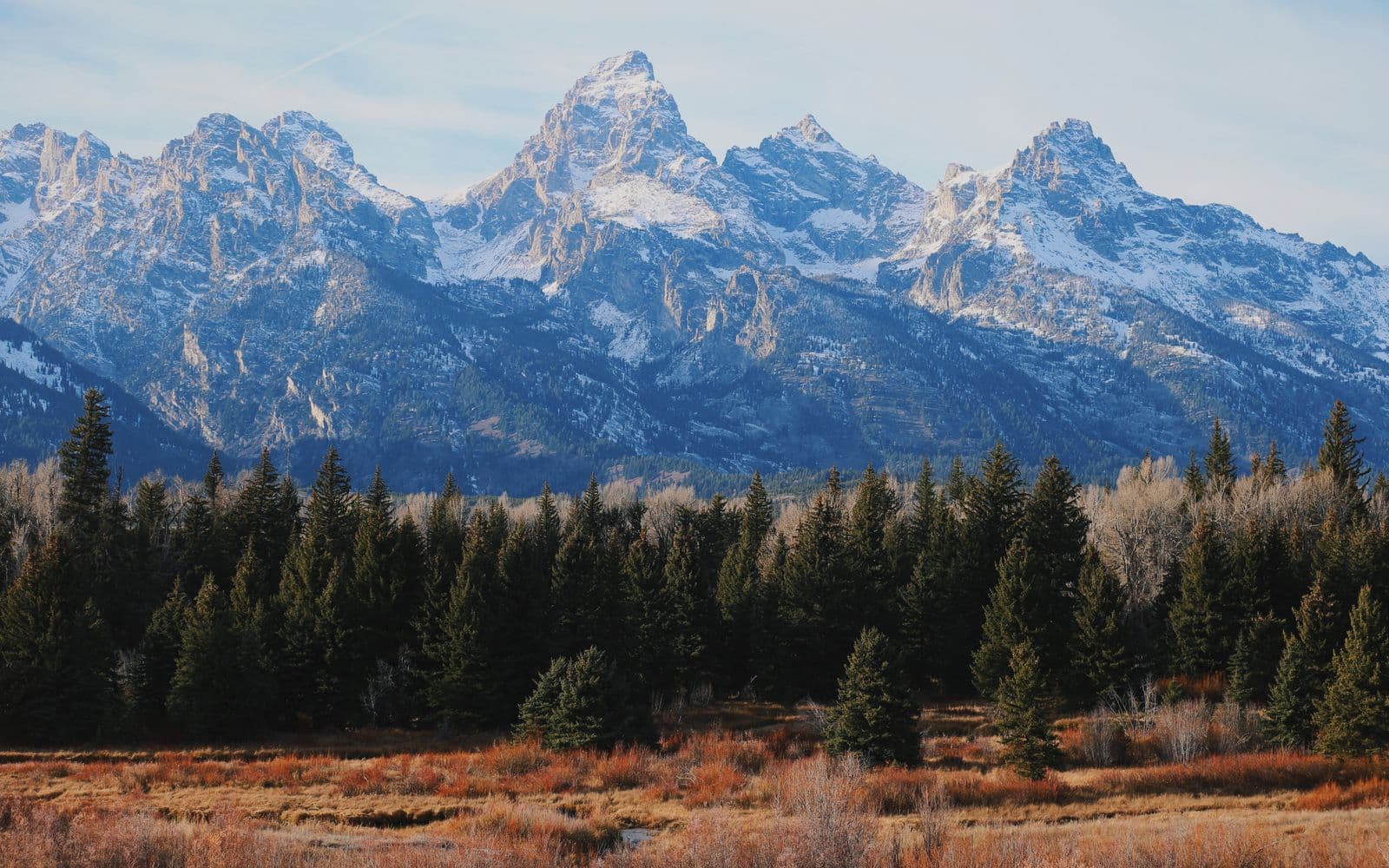
Grand Teton packs mountain views, lakes and wildlife into a more compact road network than Yellowstone. A van fits the sunrise rhythm: camp legally, leave before traffic and return for breakfast. Never approach wildlife or create a roadside jam.
Best gateway: Jackson. Pair it with Yellowstone only if there are at least five to seven days for both. Search Grand Teton.
Vehicle fit: compact vans are easiest around Jenny Lake; verify every campground’s maximum combined length.
5. Yosemite, California
Yosemite rewards an in-park campsite more than almost any park because valley traffic and gateway drives are substantial. NPS says no entrance reservation is required in 2026, but that does not remove campground reservations. Yosemite campground rules say reservations are required from roughly April through October, sleeping in a vehicle is allowed only in a registered campsite, and overnight parking elsewhere is prohibited.
Best gateway: San Francisco; compare vans near Yosemite.
Reserve: the campsite the instant the relevant window opens, then build the rest of California around it.
6. Glacier National Park, Montana
Glacier’s famous road is spectacular and heavily managed. Seasonal snow can delay full opening, and vehicle length/height restrictions matter on Going-to-the-Sun Road. Shuttle or commercial transport may be smarter than forcing an unsuitable RV onto the route.
Best gateway: Kalispell, with Missoula as a wider search. Browse Glacier.
Reserve/check: campground, any road-access reservation used that season, and current vehicle restrictions directly with NPS.
7. Arches and Canyonlands, Utah
Two parks share Moab, making this one of the most efficient bases. The cost is heat and demand. Spring and fall are stronger than midsummer; exposed desert hikes become dangerous quickly.
Best gateway: Moab for minimum transfer or Salt Lake City for more flight and rental choice.
Overnight plan: reserve a legal campground. Nearby public land is not automatically suitable or open; confirm agency rules, road conditions, fire restrictions and rental permission.
8. Rocky Mountain National Park, Colorado
Rocky Mountain gives Denver renters alpine access without a multi-day transfer. Elevation changes weather, sleep and vehicle performance. Trail Ridge Road is seasonal; never treat a summer opening date as guaranteed.
Best gateway: Denver, with Estes Park as a local base. Search Rocky Mountain National Park.
Reserve/check: campground and the park’s current timed-entry system. Acclimatize and carry layers even in summer.
9. Joshua Tree, California
Joshua Tree is a superb cool-season camper trip with simple loops between boulder fields, cactus gardens and dark-sky camps. Summer heat can be life-threatening and there is little water.
Best gateway: Los Angeles or San Diego. Search Joshua Tree.
Vehicle fit: compact vans are easy, but shore-power air conditioning should not be assumed at basic park campsites.
10. Great Smoky Mountains, Tennessee/North Carolina
The Smokies provide forest, waterfalls and ridge drives without a park entrance fee, though parking and campground rules still apply. Low clearances, steep roads and congestion make a smaller van attractive.
Best gateway: Knoxville or Asheville. Browse Great Smoky Mountains.
Best timing: spring wildflowers and fall color; avoid assuming an exact foliage week months ahead.
The reservation stack
For any park, check these as separate items:
- park entrance or timed-entry reservation;
- campground reservation and vehicle-length limit;
- road or corridor reservation;
- shuttle booking, if any;
- trail or activity permit;
- commercial-tour reservation;
- rental agreement restrictions.
An entrance pass does not substitute for the other six. Use each park’s official NPS “Plan Your Visit” page close to travel, because systems change.
Choose the smallest suitable van
A sub-22-foot Class B works in the broadest range of sites. Families may need a Class C, but should filter every night by length before booking. Air conditioning generally needs hookups or generator use, both site-dependent. Heating, water capacity and a toilet matter more in cold/remote parks; compact dimensions matter more in busy valleys and tunnels.
Price the trip with the US rental cost guide, then compare all US rental locations. For a ready-made first loop, use the Las Vegas–Zion–Grand Canyon itinerary.
Plan the booking
Compare camper van pickup locations for this trip
Choose the handover point that fits the route, then compare the complete checkout price, mileage allowance and first-night logistics.
Frequently Asked Questions
Keep the build moving
Make the next build decision easier.
Get practical diagrams, calculator updates and honest product comparisons in your inbox.
Jack Kennedy is a self-builder who has built two vans. He created Roam Wired to simplify conversion planning and share free tools, supported by affiliate links.
About Jack