Learn · Life on the road
Make the van work every day, not just on departure day
Plan connectivity, security, cooking, toilets, pet travel and preventive maintenance as repeatable routines that still work away from home.
6 focused guides · US vehicles, terminology and official sources
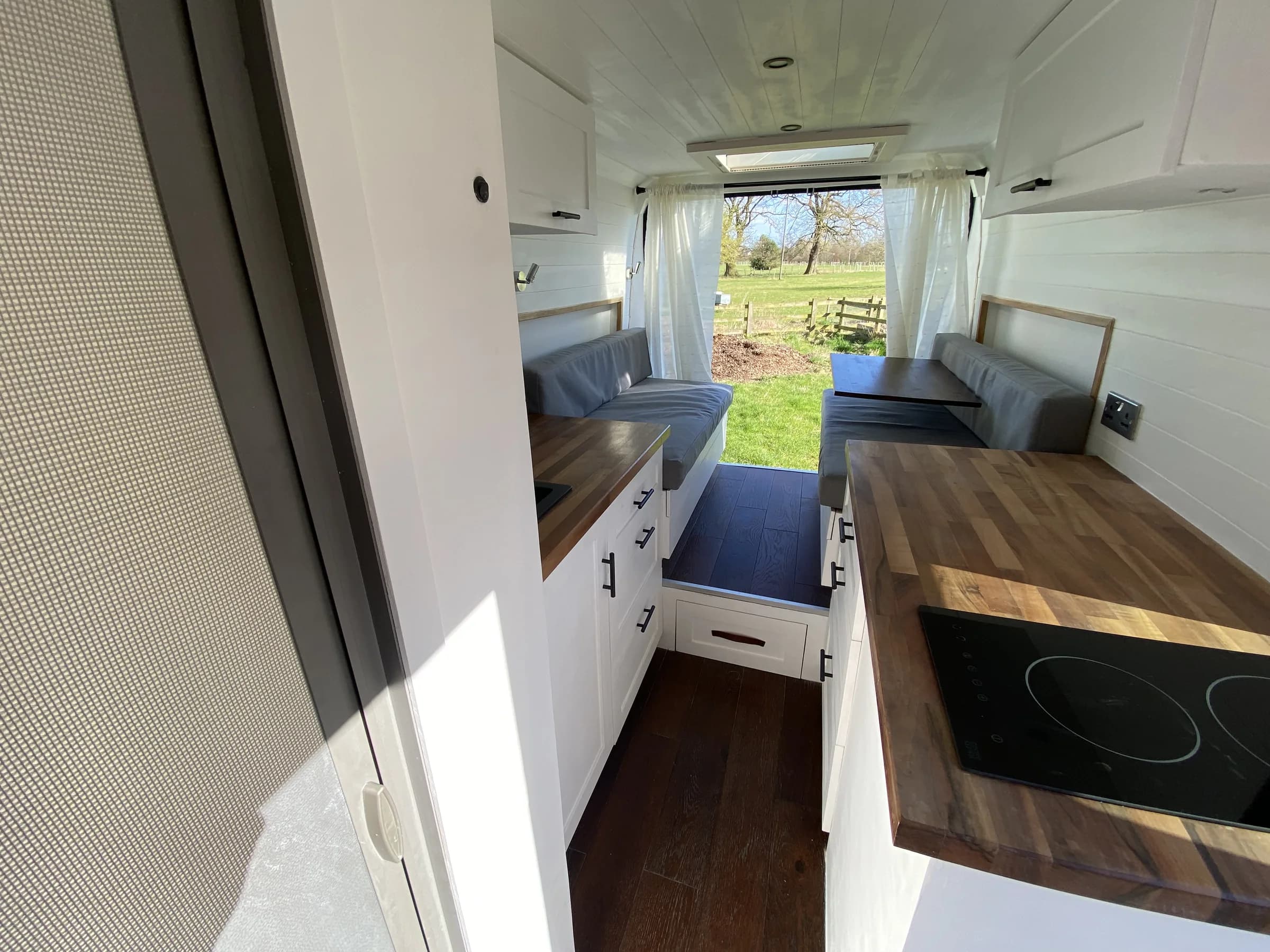
Start here: living systems
Living systems are the routines and equipment that keep a finished van usable day after day. Cooking, internet, toilets, security, pet travel and maintenance can look like separate purchases, but they compete for space, energy, water and attention. Start by describing an ordinary travel day and a day when you remain parked. Include what happens when weather, connectivity or a planned stop does not cooperate.
For working from the van, distinguish data access from a reliable work environment. Plan power for devices, where calls will happen, how you will manage heat and light, and a fallback when a connection is unavailable. Keep equipment specifications and service coverage separate from assumptions about a particular campsite. A connection that works once is not evidence that every stop or season will provide the same result.
For cooking and sanitation, start with storage, cleaning and disposal routines rather than headline features. Check how supplies will be replenished, where waste can be emptied legitimately and whether the equipment remains usable when the bed is made. If travelling with an animal, plan restraint, ventilation, water and breaks; do not treat a temperature display or powered fan as a guarantee that leaving an animal unattended is safe.
Start here: identify the daily routines, calculate their resource demands, then choose the equipment that fits the layout and maintenance plan. Keep a short pre-trip and return-home checklist so small problems do not accumulate unnoticed. Record appliance model numbers, service intervals and support information somewhere accessible without an internet connection. The guides below cover specific decisions and link to related electrical, water and conversion topics. Use the electrical calculator to test realistic device hours and the conversion budget worksheet to account for installation as well as purchase. Review those assumptions after a few representative trips and improve the parts of the routine that actually cause friction.
Focused guide · 3 min read
Camper Van Cooking: Propane, Induction or Outdoor?
Propane, induction and outdoor stoves shift complexity between fuel, electrical capacity, ventilation and weather. Choose from real meals and travel conditions.
Read the guideFocused guide · 3 min read
Camper Van Maintenance Checklist: Trip to Annual
A dependable camper van follows layered checks before driving, before trips, after rough roads and at manufacturer intervals across the chassis and every house system.
Read the guideFocused guide · 4 min read
RV and Camper Van Security: A Layered Plan
A practical security plan combines low-profile habits, visible delay, protected valuables, detection and recovery without obstructing emergency exit or creating loose hazards.
Read the guideFocused guide · 3 min read
RV and Camper Van Toilets: Portable, Cassette or Dry?
Choose a toilet from privacy, actual capacity, lifting and the authorized dump facilities on the route. Waste handling—not the seat—is the defining feature.
Read the guideFocused guide · 5 min read
Traveling With a Dog in a Camper Van: Trip Checklist
Plan safe US camper van travel with a dog: secure transport, heat prevention, park rules, exercise, food, water, vet records and daily routines.
Read the guideFocused guide · 3 min read
Van Life Internet: A Reliable US Remote Work Setup
Reliable road internet uses independent carriers, realistic route checks, controlled power and work that can continue offline when terrain or congestion defeats the primary connection.
Read the guideTest it in a rental
Use a real trip to measure space, water, power and daily routines before fixing the design.
Coordinate the build
Place structure, openings and hidden services before furniture closes access.
Plan the electrics
Turn appliance use into calculated battery, solar and cable sizes.
Continue the plan