Learn · Electrics
Camper van & RV electrics
Follow the system from energy requirements to batteries, charging, solar, wiring and 120V power. Each pillar connects the full guide to focused articles and the electrical design tool.
Start with the energy you need
Begin with a normal day in the van: fridge use, lighting, device charging, cooking and any work equipment. Record watts and hours separately so that a short high-power load does not get confused with a small appliance running all day. Add the energy in watt-hours, then decide how many days you want to stay parked without a dependable charging source. Keep a separate list of appliances that may run at the same time.
Next, choose a battery allowance and a realistic charging plan. Storage bridges a gap; it cannot correct a permanent energy deficit. Solar output changes with season, shade and location, while alternator charging depends on driving time and the vehicle’s permitted auxiliary load. Hook-up can support a different travel pattern, but the campsite supply still limits what can run together. Compare those sources against the same daily demand before selecting products.
Follow the guides below in this order: the complete system overview, battery sizing, charging sources, solar, then wiring and AC power. For each circuit, record the source, current, cable route, protective device and return path. Use the equipment manuals to confirm limits and settings. A product comparison can help narrow the shortlist, but a brand name or a diagram copied from another van cannot establish compatibility with your installation.
Use the free electrical planner to organise the appliances and compare assumptions. The example wiring plans include cable schedules, parts and PDFs so you can see how a complete plan is documented. Replace their route lengths and loads with your own measurements, then arrange the appropriate design review, installation checks and commissioning. Keep photographs of concealed wiring and a record of settings with the finished van so future repairs and upgrades start from reliable information.
Van & RV Electrical System
How to plan and build a 12V off-grid electrical system for a van or RV, from battery to outlets — US standards.
Open topic hub
House Battery Guide
LiFePO4 vs AGM, capacity sizing in watt-hours, and wiring your house (auxiliary) battery bank for US builds.
Open topic hub
Solar Setup
How to size, mount, and wire solar panels on a van or RV for reliable off-grid power across US conditions.
Open topic hub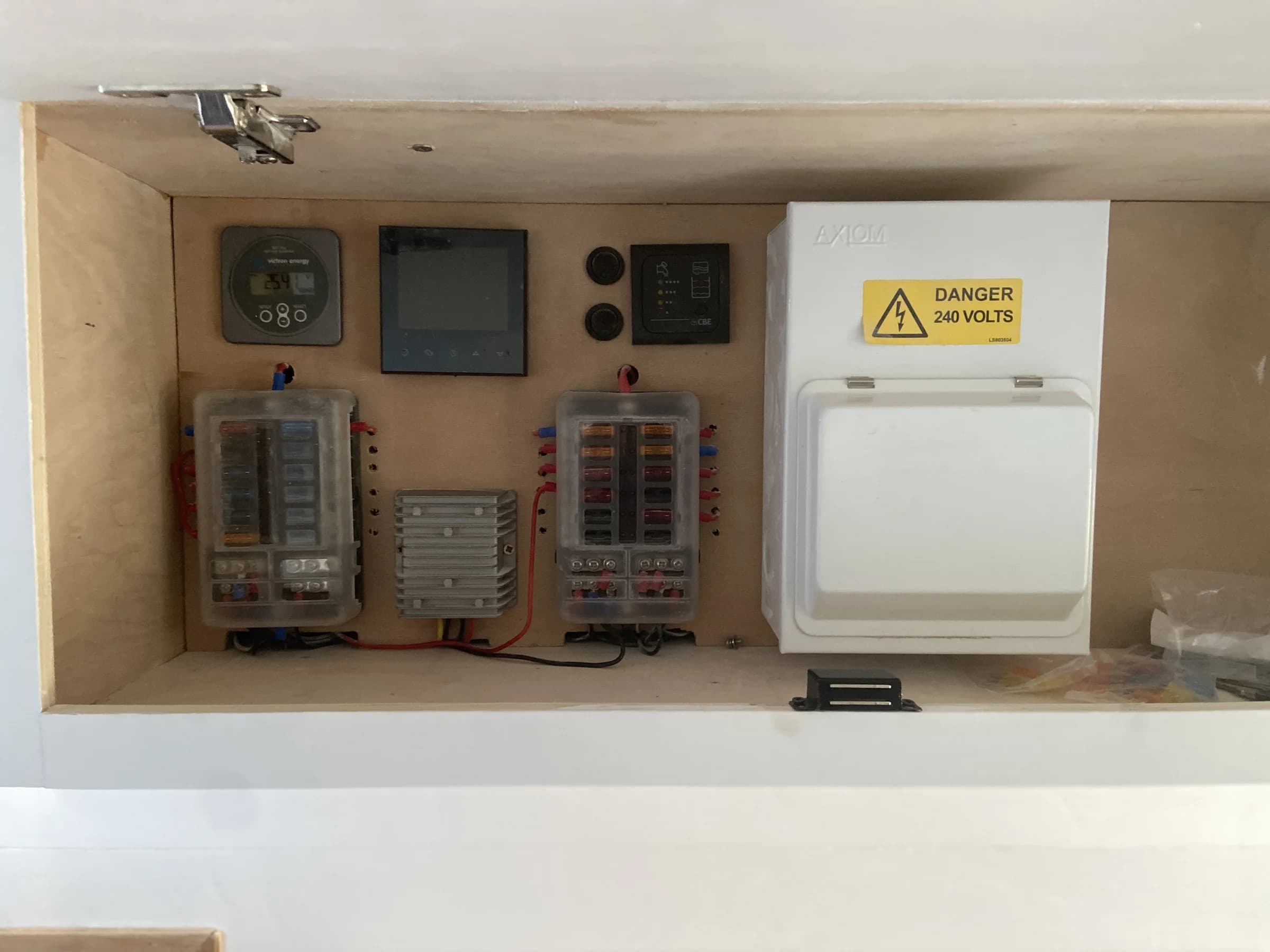
Wiring & Safety
AWG wire sizing, fuse and breaker selection, bus bars, and grounding best practices to ABYC / NEC.
Open topic hub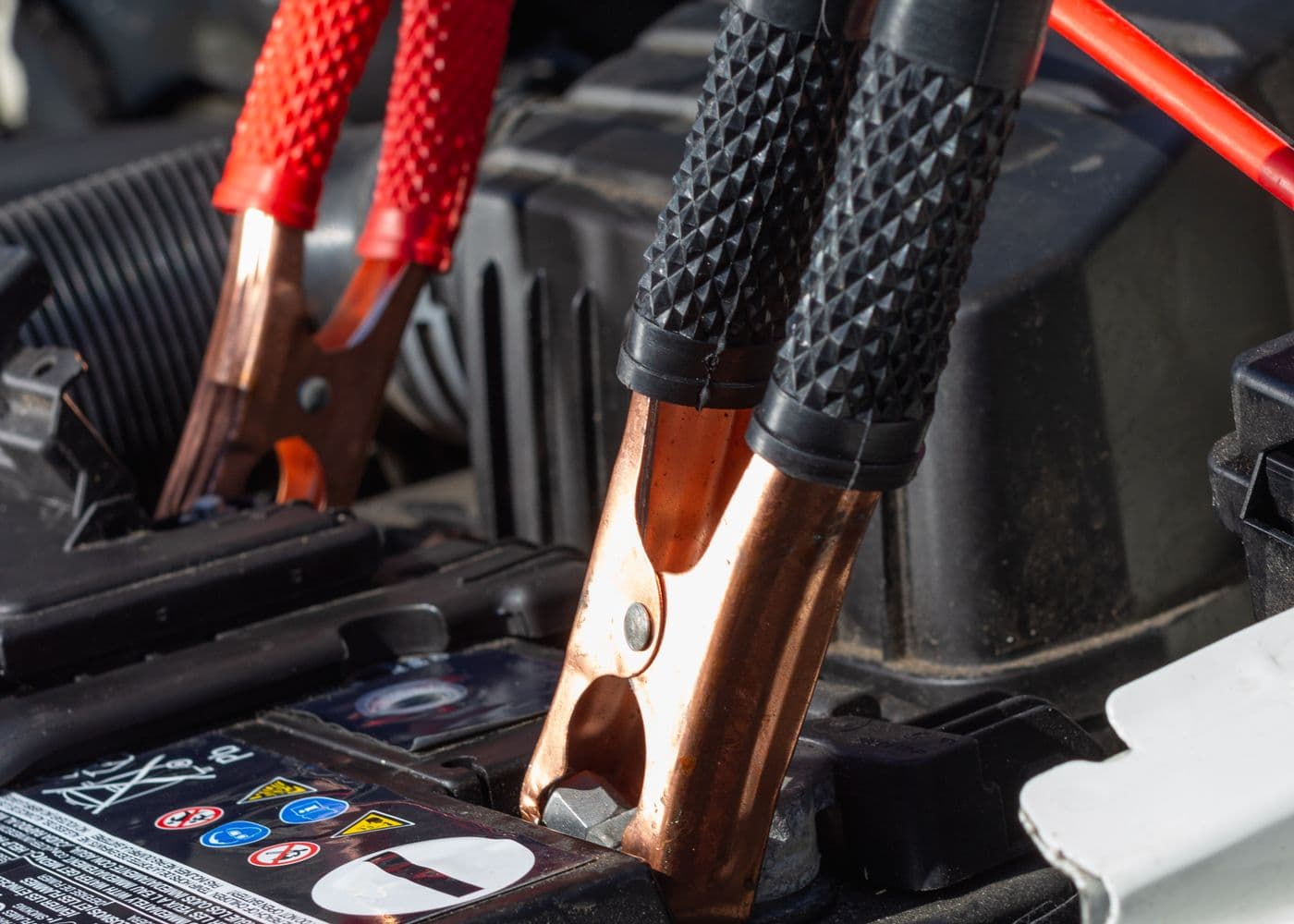
Charging Systems
DC-DC chargers, alternator charging, 120V shore power, and multi-source charging for US rigs.
Open topic hub
Inverters & 120V Power
Pure sine wave inverters, sizing for your loads, and running 120V appliances safely in your build.
Open topic hub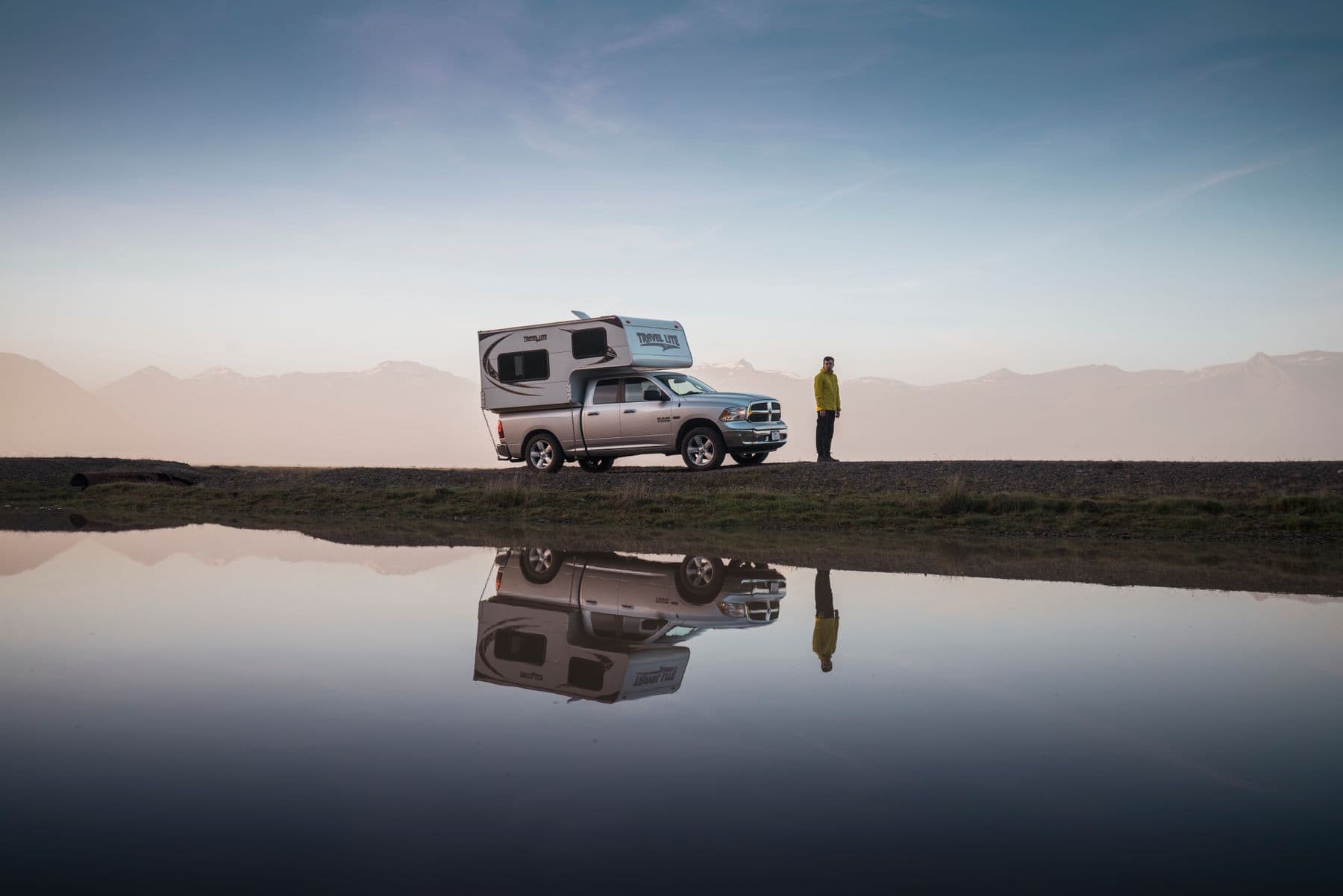
Portable Power Stations
EcoFlow, Jackery, Bluetti and Goal Zero compared — how to size a power station, what it can run, and when to go wired instead.
Open topic hubLooking for every electrical article?
Browse focused answers, equipment comparisons and practical planning examples.
Choose equipment with a plan
From your build requirements to a US shortlist
Use the guides to narrow the options, then open our US shop for the exact specifications, current prices and supplier availability.
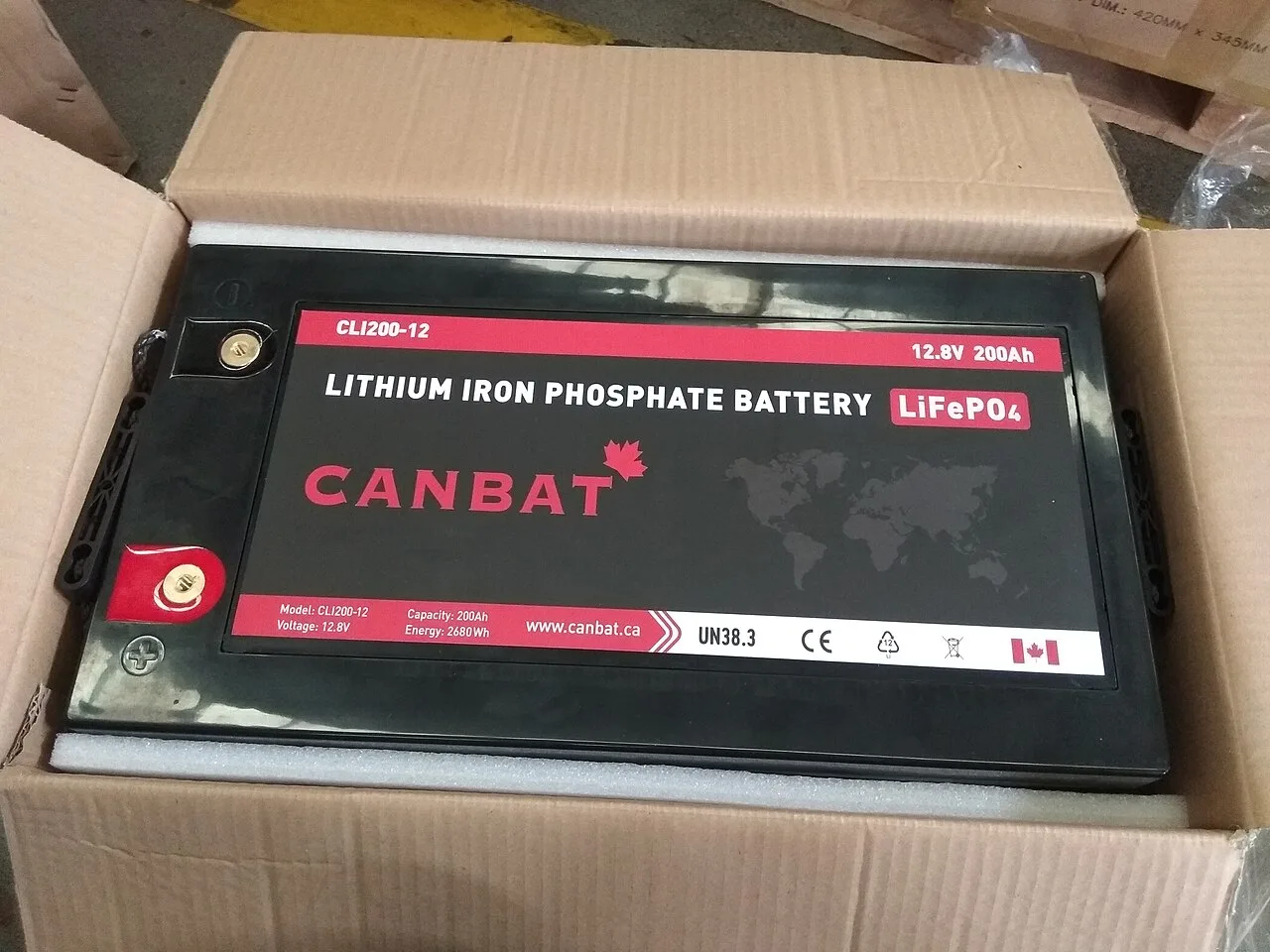
Battery storage
Compare usable energy, enclosure size and charging limits.
Read the buying guide →Browse Epoch batteries ↗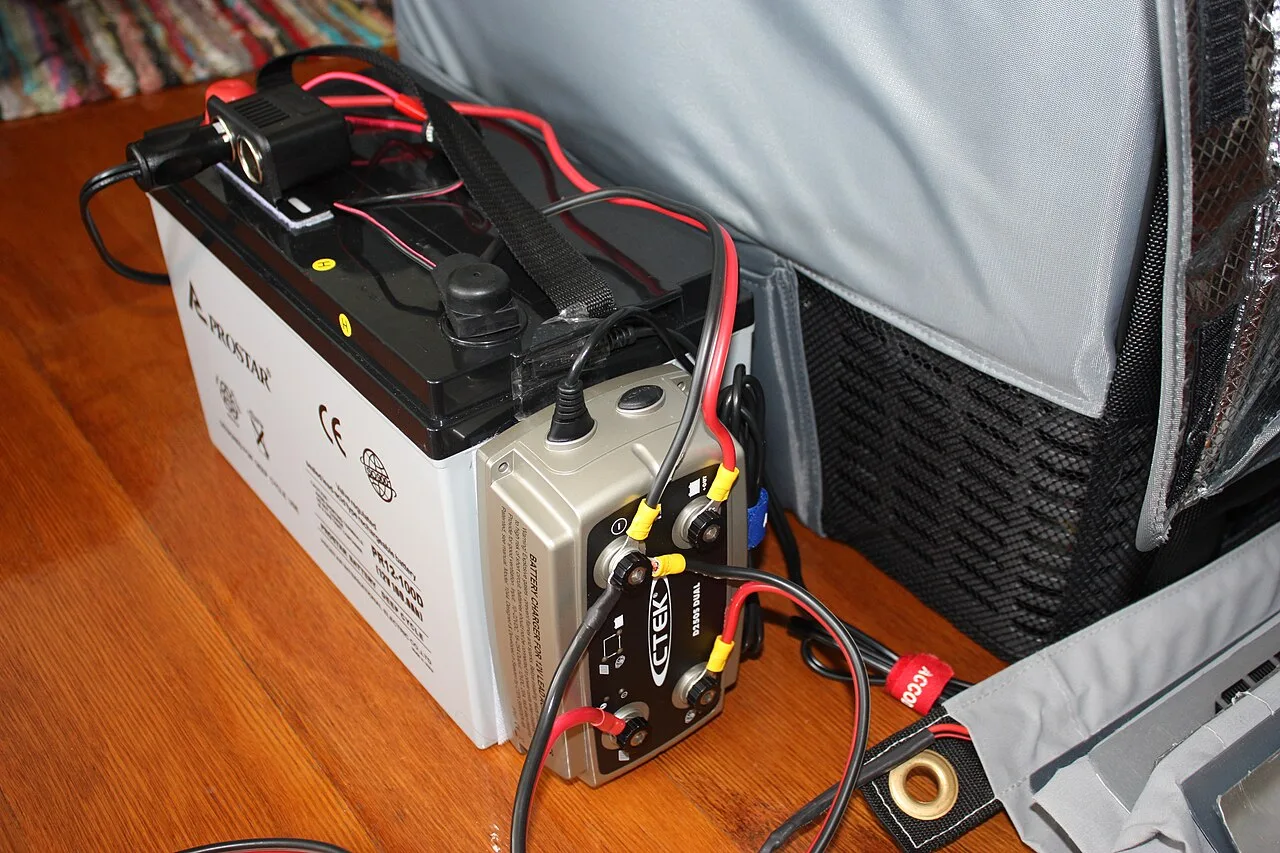
Charging & monitoring
Match alternator charging and battery monitoring to the system.
Read the buying guide →Browse Victron equipment ↗
Fridges & climate control
Check the space, ventilation and daily power requirement first.
Read the buying guide →Browse refrigeration ↗Some shop listings use affiliate links to a named supplier. We may earn a commission from qualifying purchases. Check compatibility before ordering.