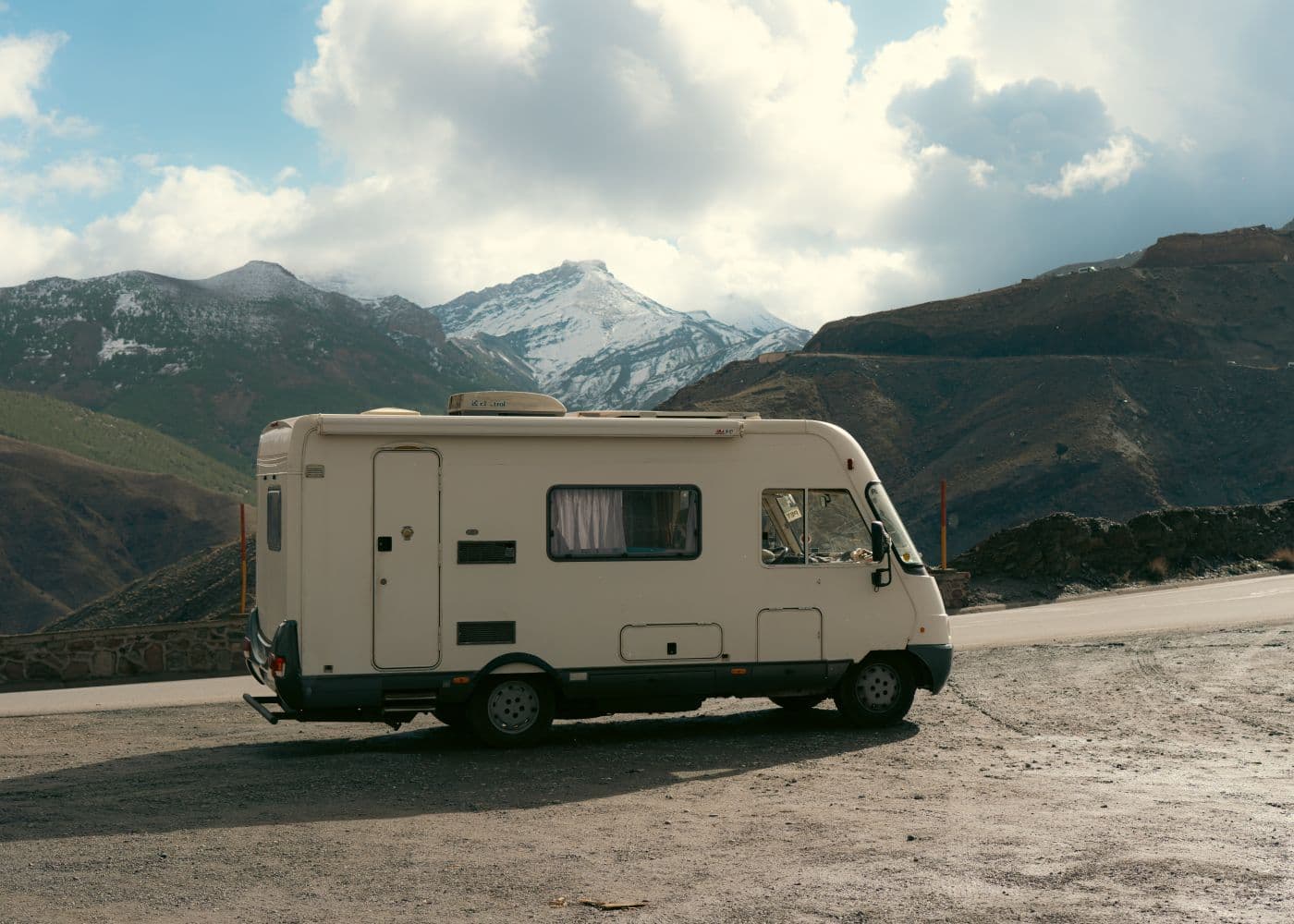
A camper van rental is a full-scale prototype. The goal is not to prove that road trips are enjoyable; it is to identify the smallest vehicle and simplest floor plan that support your normal trip in imperfect conditions.
Do not let one sunny long weekend make a five-figure decision. Run three tests, change one major variable at a time, and keep the same scorecard.
Rent the question you need to answer
Start with the smallest van that may work, normalize the full checkout cost and use the scorecard below on the road.
The three-trip protocol
| Test | Vehicle | Trip | Decision |
|---|---|---|---|
| Minimum | Minivan or compact two-person conversion | 2–3 nights near home | Can we live with less size and complexity? |
| Real use | Leading roof, wheelbase and floor-plan type | 7 nights with normal gear | Does it work for the intended trip length? |
| Stress | Finalist or closest rival | Heat, cold, rain or crowded destination | Does it still work when outdoor living disappears? |
Test 1: minimum viable van
Pack the people, pets, bikes and work gear the owned van will carry. Cook, make the bed, change clothes and use the toilet arrangement with doors closed. Visit a grocery lot, a downtown street and a normal campsite. Record which limitation actually causes failure: headroom, bed length, ventilation, secure storage or lack of separate seating.
Smaller vans cost less to buy and convert, fit more parking and may be easier as a daily driver. But a van that requires unloading bikes into rain before sleeping does not meet an indoor-bike requirement. Turn every failure into a specific dimension or function for Test 2.
Test 2: live the planned trip
Rent the likely configuration for a full week. If you expect national-park trips, use a route like Las Vegas to Zion or Yellowstone and the Tetons. If you plan to work, complete a normal workday. If you expect dispersed camping, still use legal, suitable sites and test a mix of hookups and self-contained nights.
Track daily water, battery state, propane or fuel, miles, generator time where applicable and time spent resetting the interior. A system that survives two nights may not support day five.
Test 3: remove the vacation glow
Choose a realistic adverse condition. In heat, test shade, ventilation and whether the power plan can support cooling expectations. In cold, test heater noise, condensation, wet-gear storage and battery performance. In rain, cook and spend an evening inside.
This exposes whether an indoor bathroom, fixed bed, high roof, heater or larger dinette is a requirement—or expensive insurance against a problem you can comfortably manage another way.
Score the same ten areas
Use 1 for unacceptable and 5 for effortless, plus one observation.
| Area | Evidence to collect |
|---|---|
| Driving | Crosswinds, grades, visibility, turning, fatigue and parking |
| Bed | Real length/width, setup, access and partner disturbance |
| Living | Headroom, seating posture, table and closed-door movement |
| Kitchen | Prep area, ventilation, water and fridge access |
| Bathroom | Privacy, night use, tank capacity and dump routine |
| Storage | Daily gear access without unloading the van |
| Power | Loads used, charging sources, end-of-day battery state |
| Climate | Condensation, airflow, heater/AC limits and wet gear |
| Setup | Minutes from parking to living and waking to driving |
| Cost | Rental, fees, fuel, campgrounds, parking and supplies |
Photograph mechanisms and measure useful clearances with permission. Record the problem solved rather than copying another builder's styling. “Bikes remain secured indoors while the bed is usable” is a durable requirement; a particular cabinet finish is not.
Convert experience into a purchase specification
Write one sentence: “Two adults touring 2–3 weeks, carrying two mountain bikes indoors, sleeping without converting the dinette, working two days per week and using developed campgrounds every third night.”
Then sort features:
- essential: legal seats, bed length, interior bike storage, loaded payload;
- preferred: swivel seats, indoor toilet, large refrigerator;
- not worth buying: features you did not use or disliked maintaining.
That becomes the input to the US base-van comparison, not a list of whatever the rental happened to contain.
Translate rental classes carefully
A marketplace's label is not a base-vehicle specification. “Class B,” “camper van,” “Sprinter van” and “Class B+” may describe very different lengths, widths and systems. Record the actual chassis, exterior length, roof, bed arrangement, seat count and bathroom—not just the listing category.
| Rental experience | Likely buying lesson | Do not conclude automatically |
|---|---|---|
| Minivan felt easy but cramped | Compact driving matters; test a pop-top or high-roof compact alternative | Every full-size van will be unpleasant to drive |
| 144-inch-style high-roof worked well | A medium full-size shell may be enough for two | The same model in an extended body will drive identically |
| Indoor bathroom was rarely used | A simpler toilet may recover floor space | You will never need privacy or winter facilities |
| Large battery never fell below 80% | The rental may be oversized for your use | Your future solar/charging pattern will be identical |
| Fixed bed dominated the interior | Bed convenience has a real space cost | A convertible bed will be painless every night |
Ask the operator for usable tank capacities and battery energy if available, but validate with behavior. Gauge displays can be imprecise; weather, shade, driving hours and hookup use change the result. The useful observation is “two laptop workdays plus refrigerator used about X% between charge opportunities,” with the trip conditions attached.
Compare pickup and daily-driver friction
Use the collection day as evidence. Did a hotel, airport transfer or rideshare make the rental awkward? Could you park at home, work or a normal grocery store? Measure the driveway and verify local HOA, apartment, street-parking or commercial-vehicle restrictions before buying. A perfect camping floor plan that cannot be stored affordably is not a workable ownership plan.
If the van will replace a car, spend part of the test doing ordinary errands without first emptying the campsite setup. Note cab noise, visibility, passenger comfort and whether height prevents places you use weekly. Ownership contains far more non-scenic miles than rental advertising shows.
Compare the full cost of ownership
Owning replaces rental charges with purchase depreciation or finance, sales/use tax where applicable, registration, insurance, maintenance, repairs, tires, storage and conversion cost. Calculate:
annual ownership cost ÷ comparable rental saving per night = break-even nights
Use actual rental receipts and conservative resale assumptions. If two annual trips are the likely reality, renting may preserve flexibility. If you travel frequently, need a unique accessible layout or want the build itself, ownership can be rational without a perfect financial break-even.
After the third trip
- Lock seats, berths, floor-plan functions, roof and wheelbase range.
- Compare Transit, ProMaster and Sprinter base vans.
- Build the project allowance with the US conversion cost guide.
- Follow the complete build-planning sequence.
- Only then browse vans for sale or contact US conversion builders.
If two finalists remain, rent them back-to-back. Another trip is far cheaper than replacing a finished van that solved the wrong problem.
Turn the next road trip into design research
Pick a van class that tests the most uncertain requirement, then collect comparable evidence rather than relying on first impressions.
Frequently Asked Questions
Keep the build moving
Make the next build decision easier.
Get practical diagrams, calculator updates and honest product comparisons in your inbox.
Jack Kennedy is a self-builder who has built two vans. He created Roam Wired to simplify conversion planning and share free tools, supported by affiliate links.
About Jack