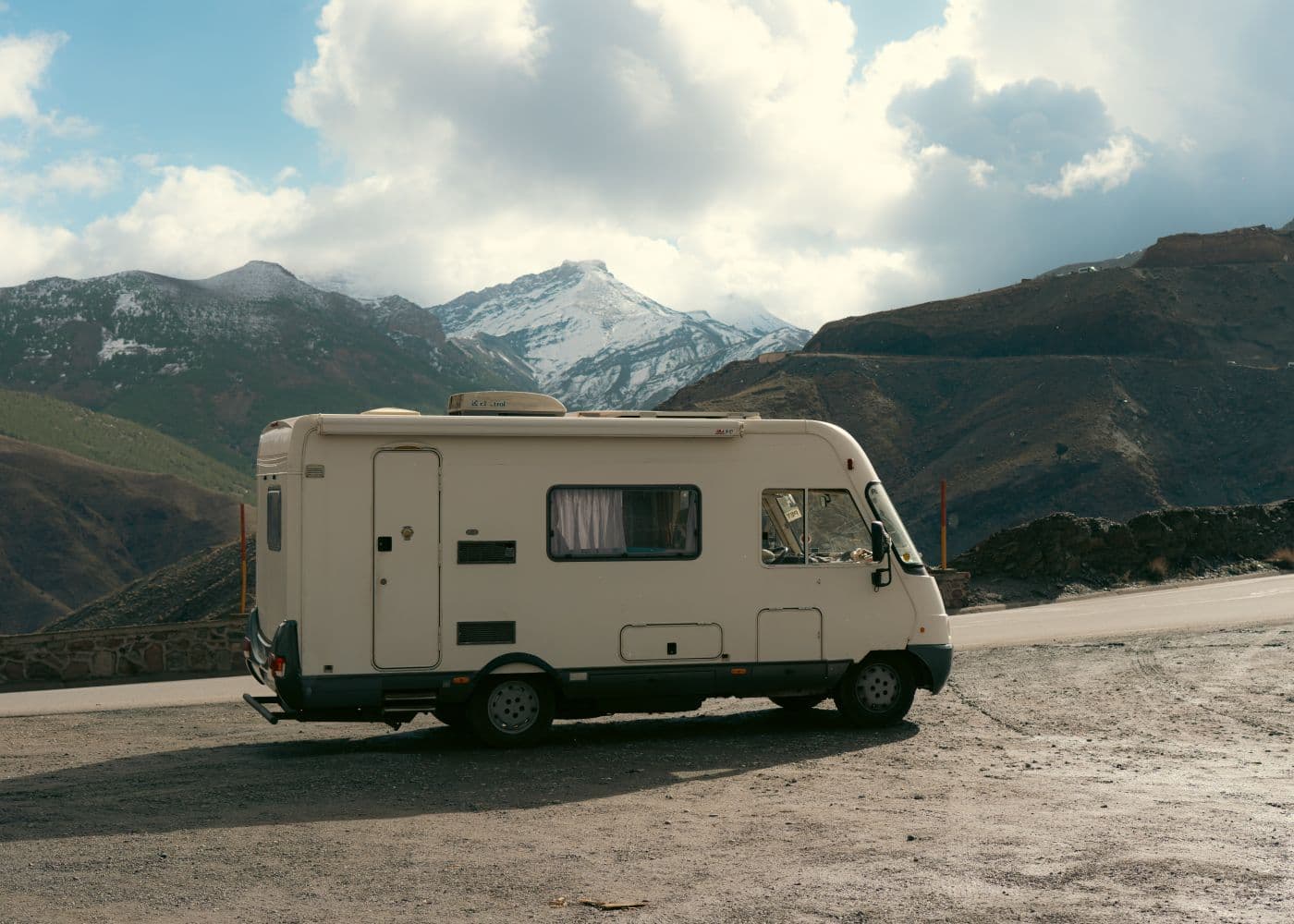
Renting before buying is not an extended holiday dressed up as research. Done properly, it is a prototype of the van you may live with for years. The objective is to discover which compromises you can accept before those compromises are welded, glued and wired into an expensive conversion.
One perfect summer weekend is not enough. Use three trips with different jobs, record the same evidence on each, and make the buying decision only after the novelty has worn off.
Choose a test van, not a dream van
Start with the smallest vehicle you think could work. Compare the complete booking price, mileage and facilities, then test it against the scorecard below.
The three-trip test
| Trip | What to rent | Conditions | Question it answers |
|---|---|---|---|
| 1. Minimum viable van | Compact two-berth or day van | Two or three nights near home | How small can we comfortably go? |
| 2. Real holiday | Your likely roof height, wheelbase and facilities | Seven nights with normal luggage | Does the proposed layout work all day, not just at bedtime? |
| 3. Compromise test | The leading choice—or its closest rival | Wet, cold or busy shoulder season | Can we live inside it when outdoor space disappears? |
Do not make all three trips in nearly identical premium conversions. The comparison is most useful when one variable changes at a time: compact versus long-wheelbase, fixed bed versus converting bed, portable toilet versus washroom, or manual versus automatic.
Trip 1: find your minimum size
Book close enough to home that the trip does not need to be epic. Take the people, dog, bikes and normal equipment the owned van must carry. Try an ordinary supermarket, a height-restricted car park and a narrow road. Cook a real meal, make the bed in the dark and pack for departure in rain.
The smallest workable van is often cheaper to buy, fuel and ferry, and easier to park. But “workable” means everyone can sleep, sit and reach essentials without moving six bags first. If the compact van fails, record why: no standing height, no indoor table, insufficient secure storage or an intolerable bed conversion. Those are requirements for the next test—not permission to buy the largest van available.
Trip 2: run the proposed lifestyle
The second rental should resemble the intended ownership pattern. If you expect week-long tours, rent for a full week. If you will work remotely, do a normal workday. If you will carry bikes, confirm how they affect sleeping and security. Fill the water, empty the waste, use a campsite hookup and spend at least one authorised night without it.
Follow a route similar to your future trips. A Cornwall and Devon loop tests lanes, parking and coast demand; the North Coast 500 tests distance, weather and resupply. Route choice changes the ideal vehicle more than showroom styling does.
Trip 3: remove the sunshine bias
Choose conditions in which the van must function as a room, not merely a bed beside a view. With the doors closed, can two people dress, cook, sit and use the toilet without a negotiation every five minutes? Do wet coats have a ventilated home? Does condensation clear? Can one person sleep while another makes tea?
This trip often decides whether a fixed bed, internal toilet, heater, roof height or larger dinette is a genuine requirement. It can also prove that the simpler van was enough.
Use one scorecard on every trip
Score each item from 1 (unacceptable) to 5 (effortless), then add a short observation. Never score a feature you did not actually use.
| Area | What to observe |
|---|---|
| Driving | Width awareness, visibility, turning, motorway fatigue, hills, parking |
| Sleeping | Bed length/width, setup time, access, temperature, partner disturbance |
| Indoor living | Seating posture, table, headroom, movement with doors closed |
| Kitchen | Prep area, ventilation, fridge access, water use, washing up |
| Toilet and washing | Privacy, night access, emptying, campsite dependence |
| Storage | Can daily items be reached without unloading the van? |
| Power | Phone/laptop charging, fridge and heater use, hookup dependence |
| Climate | Condensation, drafts, fan noise, heating and drying wet kit |
| Setup | Minutes from parking to relaxing, and from waking to driving |
| Trip cost | Hire, fuel, pitches, parking, tolls and food differences |
Photograph useful dimensions and mechanisms, but do not copy a commercial converter's design blindly. Record what problem a feature solved. “Bed platform 1,350 mm high” is less transferable than “two bikes fit below without removing wheels, but climbing into bed was awkward.”
Translate the test into a buying specification
After each trip, separate findings into three lists:
- Non-negotiable: without it, the van will not support the intended use. Examples might be four belted travel seats, an indoor standing area or a bed longer than 1.9 m.
- Strong preference: valuable, but tradable against price, payload or size. Examples include an oven, swivel seats or a permanent table.
- Do not pay for: features that looked attractive but added little during the trip.
Then write the use case in one sentence: “Two adults travelling for one to three weeks, year-round in the UK, carrying two bikes inside and working online two days per week.” That sentence should govern the base-van comparison, layout and budget.
Compare renting and owning honestly
Buying does not eliminate trip cost. It replaces hire with depreciation, finance or tied-up cash, insurance, tax, MOT, servicing, tyres, storage and repairs—plus the conversion. A simple break-even calculation is useful:
annual ownership cost ÷ comparable nightly rental saving = nights needed to break even
Use your real rental receipts and realistic ownership costs. Do not count the full refundable deposit as trip spending, and do not pretend the conversion retains every pound spent. If you expect only two weekends a year, renting may remain financially and practically better. If the build itself is the project and you will use the van frequently, ownership can still be right without a perfect spreadsheet break-even.
Inspect the rental like a future owner
You are not inspecting the rental for purchase; you are learning where ownership creates work. Notice access to fuses, water pump, battery, heater and shut-off valves. Ask how frequently the fresh and waste tanks are serviced. Watch for rattles, damp-prone fabric, difficult bed hardware and cupboards that open on bends. Record fuel added and miles driven rather than trusting the dashboard average alone.
At handover, ask the owner or operator which breakages and misunderstandings occur most often. Their answers can expose overly complicated systems and fragile details.
What to do after the third trip
If the scores are consistently strong, move in this order:
- Finalise seats, berths, standing height, storage and trip pattern.
- Read the best UK base vans for conversion.
- Set a whole-project allowance with the campervan conversion cost guide.
- Follow the complete conversion planning sequence.
- Only then browse vans for sale or speak to conversion specialists.
If the test exposes uncertainty, rent the two finalists back-to-back. Another weekend is cheaper than redesigning a van around the wrong assumption.
Make the next trip answer a buying question
Choose a location and vehicle class that tests your most uncertain requirement, then keep the scorecard open throughout the trip.
Frequently Asked Questions
Keep the build moving
Make the next build decision easier.
Get practical diagrams, calculator updates and honest product comparisons in your inbox.
Jack Kennedy is a self-builder who has built two vans. He created Roam Wired to simplify conversion planning and share free tools, supported by affiliate links.
About Jack