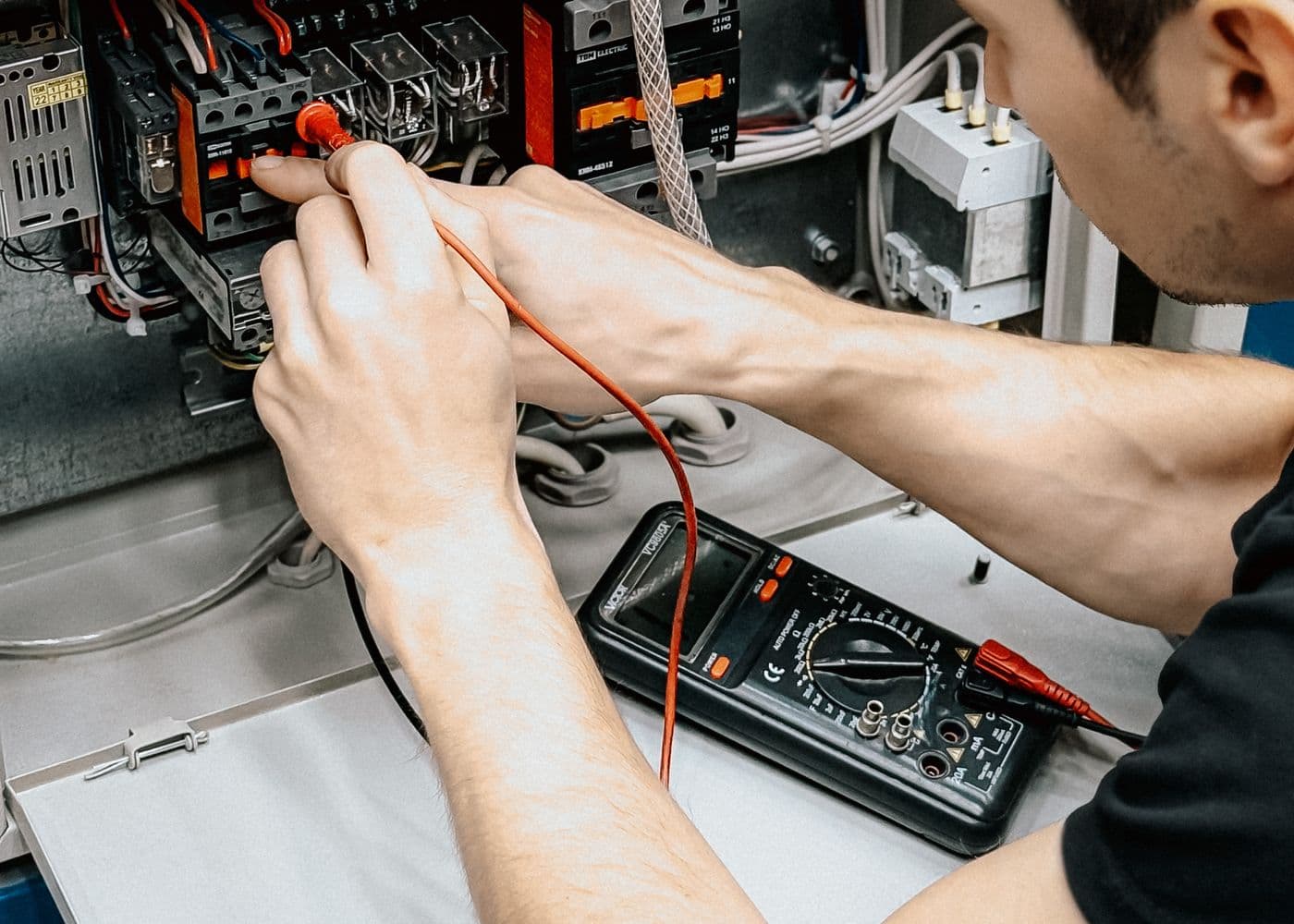
The chassis and house conversion have separate manuals, loads and failure modes. Combine them into one calendar and one record rather than waiting for a dashboard warning.
Before every drive
- Walk around for fluid leaks, damage and obstacles.
- Check tires cold for pressure, cuts, bulges and abnormal wear.
- Verify lights, mirrors, windows, wipers and washers.
- Investigate warning lights and unusual brake or steering feel.
- Close awnings, vents as required, steps, doors and hatches.
- Latch cabinets and restrain water containers, bikes and portable gear.
- Put electrical, propane and water systems in their approved travel state.
- Restrain people and pets correctly.
Use the exact door label and manual for tire pressure and load. A converted van can reach its payload before appearing full; weigh it in trip condition by axle.
Before a trip
Follow the chassis manual for oil, coolant, brake fluid, washer fluid, battery and service status. Test smoke, propane/LP and carbon-monoxide alarms as installed, inspect emergency exits and confirm fire equipment status.
Inspect the house systems:
- battery terminals, fuses, disconnects and error logs;
- solar, converter/charger and inverter operation;
- fresh and gray/black systems for leaks and sanitation;
- pump strainer and water-heater service state;
- propane cylinders, regulators and appliances by qualified personnel;
- heater intake/exhaust clearance;
- furniture fasteners, latches and cargo restraint;
- roof, windows and exterior seals.
Use the RV winterization guide and electrical guides for detailed procedures.
After rough roads or monthly
Inspect tire and underbody damage, tank straps, battery restraint, loose fasteners, new rattles, plumbing witness marks and cable chafe. Clean required vents and appliance grilles. Check roof-mounted equipment and seals without using incompatible products.
Stop and isolate a system with unexplained heat, fuel odor, water leakage, electrical smell or repeated protection trips. Use qualified service for brakes, steering, fuel, propane, structural repairs and electrical work beyond your competence.
If the original upfitter is unavailable, use the US van builder directory to identify relevant specialists, then verify training, insurance and experience with the exact chassis and component before authorizing work. Give the technician your system diagrams and symptom log; a precise history reduces destructive fault-finding and helps distinguish a chassis issue from a house-system failure.
Seasonal and annual tasks
Follow every manufacturer interval for fluids, filters, belts, brakes, tires and appliances. Sanitize the water system, replace filters, winterize or recommission, test alarms and replace them by marked dates.
Check NHTSA recalls by VIN. NHTSA explains that safety recalls are repaired by the manufacturer; also check RV-body and equipment manufacturer notices because not every house component is covered by the chassis VIN search.
Keep useful records
Log date, mileage, symptom, work, parts, technician and next due point. Store manuals, hidden-route photos, wiring diagrams and isolation steps. Use the conversion planning guide to preserve service access from the beginning.
After a trip, empty waste at authorized facilities, dry the interior, recharge and store batteries according to their manuals, and write down small changes. Preventive maintenance is largely noticing a new sound, mark or smell before the system fails far from help.
Make road life repeatable
Use maintenance alongside security, cooking, internet and sanitation routines.
Continue planning
Frequently Asked Questions
Keep the build moving
Make the next build decision easier.
Get practical diagrams, calculator updates and honest product comparisons in your inbox.
Jack Kennedy is a self-builder who has built two vans. He created Roam Wired to simplify conversion planning and share free tools, supported by affiliate links.
About Jack