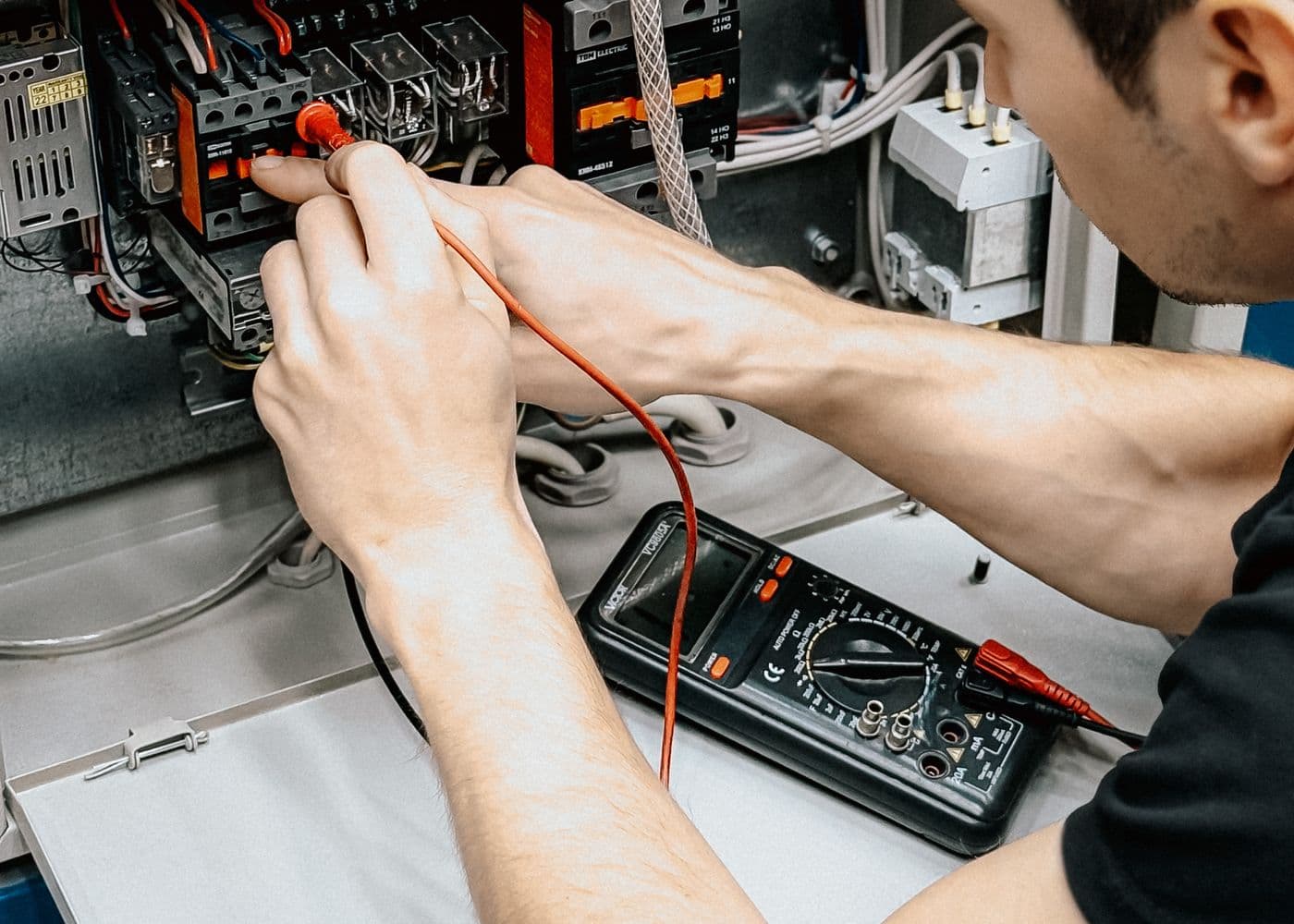
Maintain two connected machines: the base vehicle and the habitation conversion. A current MOT does not prove either is healthy. GOV.UK's MOT component guide explicitly says the test is not servicing and does not cover general engine, clutch or gearbox condition.
Before every drive
- Walk around for leaks, damage and objects beneath the van.
- Check tyres cold against the vehicle/load guidance, including damage and tread.
- Check lights, indicators, mirrors, glass, wipers and washers.
- Test normal brake feel and investigate warning lights.
- Close roof vents as required, steps, windows, doors and hatches.
- Latch drawers, restrain loads and secure bikes, gas bottles and portable equipment.
- Confirm water, waste and electrical items are in travel mode.
- Check occupants and pets are correctly restrained.
GOV.UK states the vehicle can be unsafe even with a valid MOT and lists regular fluid, battery and tyre checks in its roadworthiness guidance. Use the exact vehicle handbook for intervals and specifications.
Before each trip
Check engine oil, coolant, brake fluid and washer fluid as the handbook permits; inspect battery and visible belts/hoses; verify breakdown cover and documents. Test smoke and CO alarms, fire equipment status and emergency exits.
Inspect the conversion:
- battery state, terminals, fuses and abnormal heat;
- solar, charger and inverter error logs;
- water pump, strainer, pipe joints and drains;
- heater intake/exhaust and service status;
- gas locker, hoses and appliance testing by competent people;
- cabinet fixings, latches and heavy-load restraints;
- roof seals, windows and exterior penetrations.
Use the water winterisation guide before freezes and the electrical guides for system-specific inspection.
Monthly and after rough roads
Look for loose fasteners, new rattles, cable or pipe chafe, water witness marks, cabinet cracks and shifting tank restraints. Clean ventilation paths and appliance grilles. Exercise valves and inspect seals. Review tyre wear for loading or alignment clues.
Never work live on systems beyond your competence. Isolate energy sources and use qualified technicians for brakes, fuel, gas, structural and high-current electrical work.
If the original installer is unavailable, use the campervan builder directory to compare relevant specialists, then confirm their competence for the exact chassis or habitation system before booking.
Seasonal and annual work
Follow mileage/time servicing, timing-belt and fluid schedules in the base-vehicle handbook. Arrange MOT and habitation/gas/electrical checks appropriate to the vehicle and insurer. Check the official vehicle recall service for the van and safety equipment.
Sanitise and inspect the fresh-water system, replace filters on schedule, winterise or recommission, clean fan paths, verify heater service and inspect exterior sealant using approved methods. Test every safety alarm and replace it by the marked date.
Keep one maintenance record
Record date, mileage, work, part numbers, torque or settings where relevant, technician and next due point. Store photos of hidden routes, wiring diagrams, manuals and emergency isolation steps. A serviceable conversion plan makes these tasks possible without dismantling the interior.
After every trip, note faults while they are fresh, dry the interior, empty waste legally and recharge systems appropriately. Small evidence—a warm terminal, damp edge or changing pump sound—is cheaper before it becomes a roadside failure.
Make van life repeatable
Use maintenance alongside security, cooking, internet and sanitation routines.
Frequently Asked Questions
Keep the build moving
Make the next build decision easier.
Get practical diagrams, calculator updates and honest product comparisons in your inbox.
Jack Kennedy is a self-builder who has built two vans. He created Roam Wired to simplify conversion planning and share free tools, supported by affiliate links.
About Jack