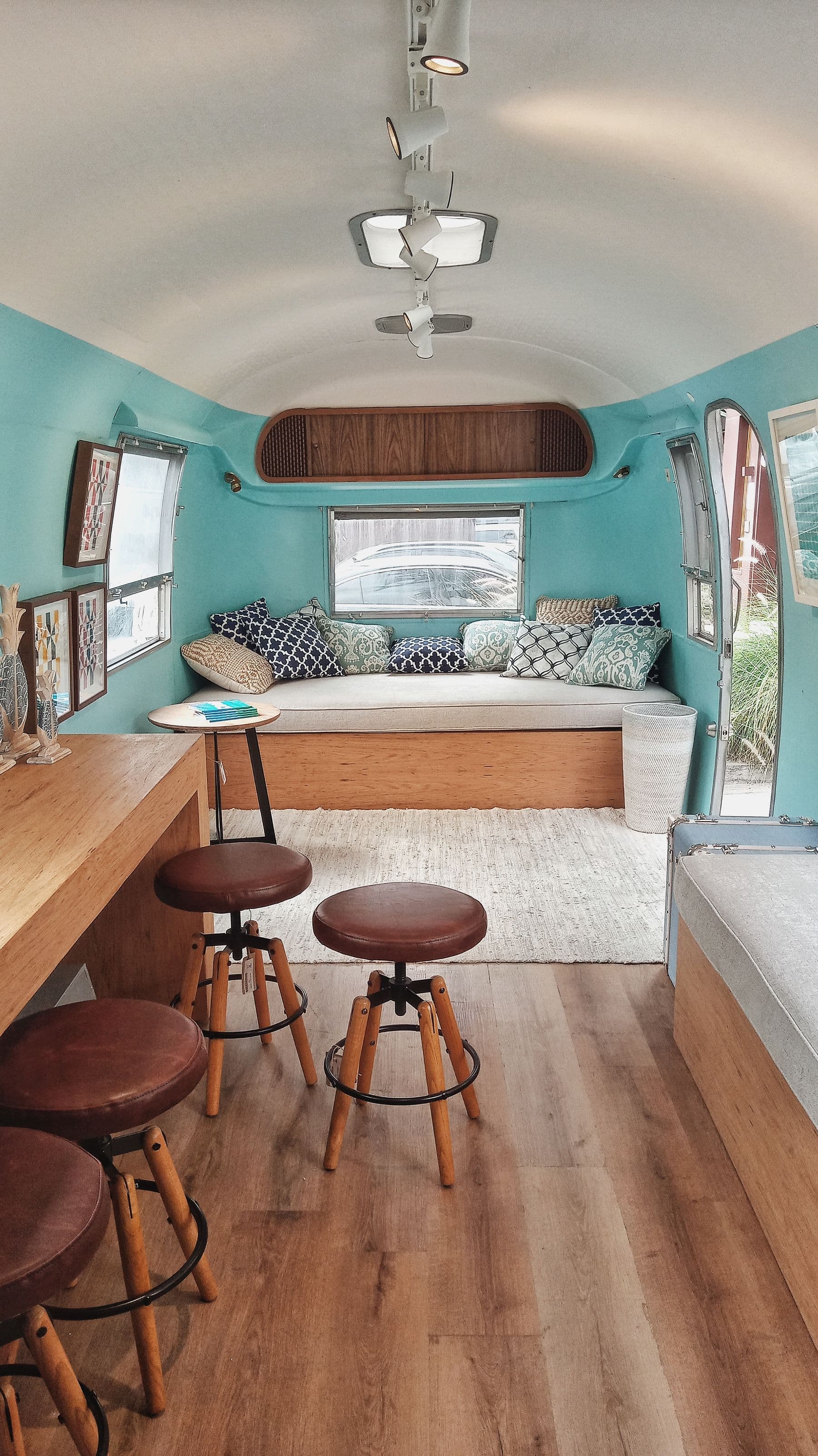
A toilet is a storage and disposal system. The bowl is the smallest part of the decision. Model privacy, capacity, lifting, cleaning, legal emptying and the route from the toilet to the service point.
Compare the main types
| Type | Best use | Main burden |
|---|---|---|
| Bag or emergency system | Rare contingency | Limited comfort and approved disposal rules |
| Portable flush toilet | Compact weekend van | Carrying the full lower tank |
| Fixed cassette | Frequent campsite and touring use | Exterior hatch and chemical-disposal access |
| Urine-diverting dry toilet | Off-grid intervals and lower mixed volume | Separate containers and careful routine |
| Larger composting system | Long-term use with correct management | Space, ventilation and incomplete in-van composting |
Estimate uses per person per day, then test the claimed capacity conservatively. A nearly full cassette is heavy and unpleasant to carry. The smaller container that is easy to empty can be more practical than maximum advertised autonomy.
The most honest capacity test is a campervan rental with the same number of occupants. Record the service interval, privacy friction and how far the full container must be carried.
Plan legal disposal before purchase
Use designated chemical toilet or motorhome service points. Never discharge to land, water, a road drain or a public toilet unless the operator explicitly permits the exact waste. North Norfolk District Council, for example, states that chemical toilet waste is not permitted in public toilets because they are not designed for its volume and chemicals.
Check campsites and local authority motorhome facilities before the trip. Carry closures and containers so the unit reaches the disposal point without leaks. Never rinse toilet equipment at a potable-water tap; keep the clean fill hose physically separate.
Fit the toilet to bodies and the layout
Mock up seat height, knee space, elbow room and standing clearance. Test at night with the bed deployed. Privacy may come from a full washroom, curtain, removable screen or occupants stepping outside; agree the routine rather than assuming it.
The toilet should be removable without passing over food preparation where possible. Provide a smooth cleanable floor, contained route and ventilation. If an exterior hatch or roof/wall vent is required, coordinate it with structure and weather sealing through the layout guide.
Control liquids and ventilation
Follow the exact product's fill limits, chemicals, electrical supply and vent instructions. Do not mix additives casually. Inspect seals and latch the unit for travel. For separating systems, prevent the liquid container overflowing and understand how local disposal rules apply.
Toilet handwashing changes the fresh and grey-water plan. Store gloves and cleaning products away from food and label them.
Create a service routine
- Check approved disposal availability before leaving.
- Inspect seals, vent and travel latch.
- Empty well before the final usable capacity.
- Wear appropriate protection and avoid splash.
- Follow facility and manufacturer emptying instructions.
- Rinse only at the marked service point.
- Clean hands and the compartment.
- Record maintenance or replacement intervals.
Keep an emergency containment option even with a fixed system. Trips change, service points close and illness increases usage.
The best toilet is not the most elaborate. It is the system every occupant can use, carry and service without illegal disposal or contaminating the clean-water and cooking areas.
Plan everyday van routines
Connect toilet choice to water, ventilation, layout and travel planning.
Frequently Asked Questions
Keep the build moving
Make the next build decision easier.
Get practical diagrams, calculator updates and honest product comparisons in your inbox.
Jack Kennedy is a self-builder who has built two vans. He created Roam Wired to simplify conversion planning and share free tools, supported by affiliate links.
About Jack