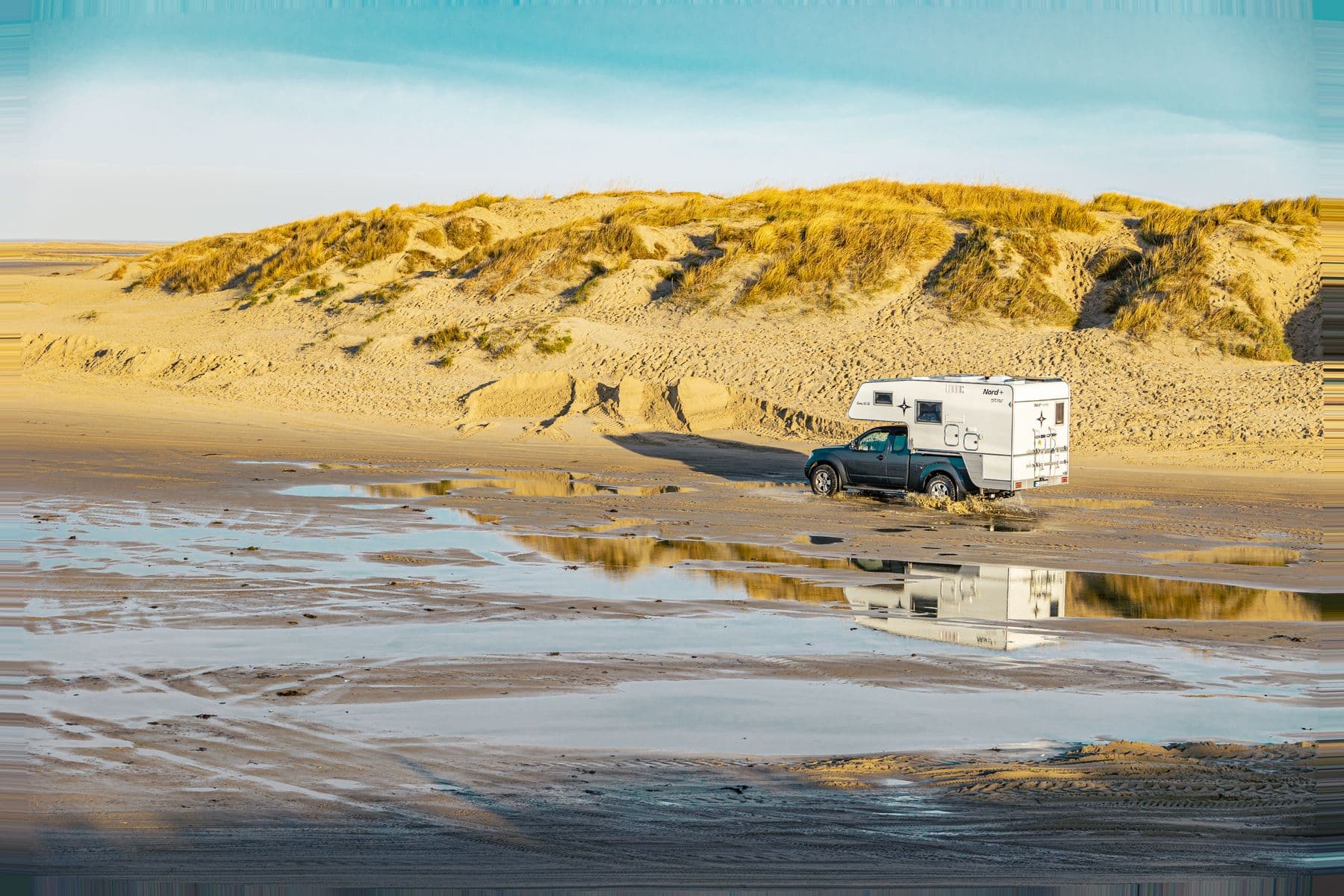
Design the trip around the dog's needs rather than adding a bed after the human plan is complete. Test safe travel, rest, feeding, wet-dog management and how every stop works when the dog cannot enter an attraction.
Prevent heat exposure
The RSPCA warns that at 22°C outside, a car can reach 47°C within an hour and that shade or open windows do not make leaving a dog safe. Read its dogs in hot cars guidance. A roof fan, reflective cover or temperature alert can fail and is not a licence to leave the animal.
Plan dog-inclusive days. For unavoidable commitments, use a known safe sitter, kennel or another adult—not an unattended van. Learn heatstroke signs and carry the vet's emergency number.
Create a secure travel position
Use a suitable crash-aware harness/restraint or secured crate according to the maker's instructions and professional advice. Keep the dog away from pedals, driver movement and door openings. Never attach a lead to an unsuitable travel point.
Provide controlled airflow without allowing the dog to put its head out or escape. Stop for water, toileting and movement at a frequency appropriate to the animal. Introduce short journeys before a long tour.
Design the dog zone
The campervan layout guide helps preserve floor and exit routes. Include:
- a fixed travel position;
- a draught-free sleeping place;
- wipe-clean wet entrance and towel storage;
- secure food and medication away from heat;
- separate clean drinking water;
- hooks that do not create strangulation hazards;
- ventilation and shade that work while occupied.
Keep food contained; spills attract wildlife and pests. Clean muddy paws before bedding and ventilate moisture using the condensation plan.
Research every stop
Check campsite rules directly and confirm seasonal restrictions at parks, beaches and attractions. Map a nearby vet and out-of-hours provider. Download vaccination, microchip, insurance and medication information.
For international travel, check current government pet-travel rules for every border and return journey well ahead; requirements can change. Do not rely on an old blog post for documentation or parasite treatment timing.
Repeat the daily check
Before driving: restraint secure, water available at stops, temperature acceptable, dog settled, doors controlled.
At camp: rules confirmed, shade and airflow assessed, lead routine agreed, wildlife/food secured, emergency exit clear.
Before a hike: access rules checked, weather and surface suitable, enough water carried, turnaround threshold set.
Use pet-friendly campervan rentals to test whether the vehicle class has enough floor area and ventilation. The best dog setup is not a decorative nook; it is a routine that keeps the animal with you, comfortable and safely restrained.
Prepare for a disrupted trip
Carry more food and medication than the exact itinerary requires, stored within safe temperature limits. Keep a recent photograph and identification details available if the dog is lost. Know the nearest emergency vet at each overnight region and how the insurer expects urgent treatment to be handled.
If the dog becomes unusually distressed, stops drinking, vomits, struggles to breathe or shows heat-illness signs, stop the plan and seek veterinary advice. Do not use a remote temperature sensor as the sole safety control: connectivity, battery and cooling equipment can fail together. The safe itinerary keeps the dog supervised and has somewhere cooler to go.
Plan responsible life on the road
Connect pet travel to layout, water, ventilation, security and maintenance.
Frequently Asked Questions
Keep the build moving
Make the next build decision easier.
Get practical diagrams, calculator updates and honest product comparisons in your inbox.
Jack Kennedy is a self-builder who has built two vans. He created Roam Wired to simplify conversion planning and share free tools, supported by affiliate links.
About Jack