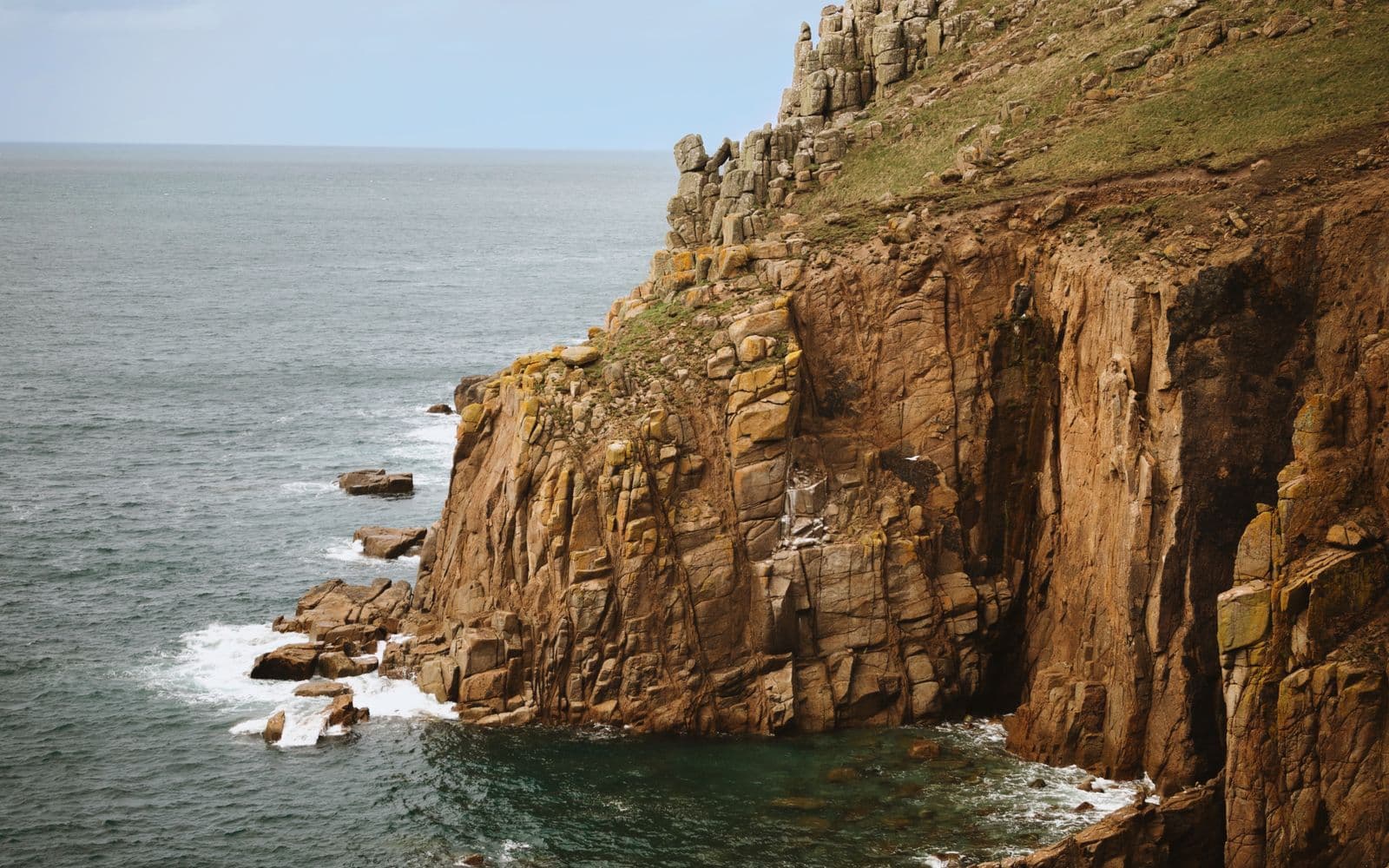
Cornwall and Devon reward fewer bases and longer stops. Narrow lanes, summer traffic and beach parking turn short-looking miles into slow days, so this route uses three main areas: Dartmoor/south Devon, north Cornwall and west Cornwall.
- 1
Bristol or Exeter
- 2
Dartmoor
Drive from previous stop: 2 hr 15 from Bristol; 35 min from Exeter
- 3
North Devon coast
Drive from previous stop: 1 hr 30
- 4
Bude & Tintagel
Drive from previous stop: 1 hr 30
- 5
Newquay & St Agnes
Drive from previous stop: 1 hr 15
- 6
St Ives & Penwith
Drive from previous stop: 1 hr
- 7
The Lizard
Drive from previous stop: 1 hr
- 8
Exeter or Bristol
Drive from previous stop: 2 hr to Exeter
Schematic route by Roam Wired. Drive times are planning estimates; traffic, weather and vehicle restrictions can change them.
Choose the pick-up first
- Bristol: strongest transport connections and a wide search radius; allow 2–3 hours to Dartmoor before peak traffic.
- Exeter: the cleanest gateway when the trip includes both counties.
- Plymouth: excellent for south Devon, Dartmoor and eastern Cornwall.
- Cornwall or Newquay: least transfer driving for a coast-first week, but potentially less choice.
Add the cost of extra motorway miles before deciding that a big-city quote is cheaper.
The 7-day itinerary
Day 1: Collect and settle on Dartmoor
Operate the roof, bed, gas isolation, water pump, hook-up and heating before leaving. Stock up in Exeter, then use a main approach road to a reserved Dartmoor or south-Devon campsite. Choose one afternoon stop—Haytor, Widecombe or a reservoir walk—instead of racing between tors.
Day 2: Dartmoor to north Devon
Drive north via Okehampton or use a slower road only when van size and driver confidence suit it. Base near Woolacombe, Croyde or Braunton for beaches and the coast path. Summer car parks can fill before lunch; pitching early and using a bus or walking is easier.
Day 3: North Devon to Bude and Tintagel
Cross into Cornwall around Hartland or Bude. Tintagel’s village roads are easiest early using signed parking. Do not follow an unnamed sat-nav “shortcut”; select main-road routing and obey width restrictions.
Day 4: Bude to Newquay or St Agnes
Continue toward Padstow, Watergate Bay and Newquay. Choose a long coast walk, surf session or Padstow/Camel Trail. Stay outside the busiest centre and use local transport. This is a good two-night base.
Day 5: Newquay to St Ives and Penwith
Drive west, but do not take a medium or large motorhome into St Ives’ old streets. Use peripheral parking or park-and-ride when operating. Continue around Penwith for Zennor, Pendeen or Land’s End according to weather. A 45-mile day can fill the schedule once parking and walks are included.
Day 6: Penwith to the Lizard
Move through Penzance and Marazion, then continue to the Lizard. Choose a campsite within walking distance of the coast path and leave the van there. Kynance Cove and small villages are better without repeatedly moving it.
Day 7: Return on main roads
Use the A30/A38, allowing congestion and a cleaning/refuelling buffer. If returning to Bristol, keep the day conservative: summer Saturday traffic can be punishing.
For a five-day trip, collect in Exeter, Plymouth or Cornwall, drop north Devon or the Lizard, and spend two nights around Newquay/St Agnes and two around Penwith. Cut a whole region, not 30 minutes from every stop.
Overnight rules
England has no general right to sleep in a vehicle on roads, beaches or car parks. Use a campsite, certified site, farm stop or explicitly authorised motorhome facility.
Cornwall Council’s motorhome parking page lists participating car parks where eligible self-contained motorhomes can buy the required overnight ticket. The scheme uses specified hours and conditions. Check the exact car park, ticket, maximum stay and vehicle requirements on the day.
“Parking” normally means staying within the bay without an awning, chairs, barbecue or waste discharge. An old blog screenshot is not current permission.
Dartmoor tent rules do not cover campervans
Backpack-camping rules concern lightweight tents in permitted areas. They do not authorise sleeping in a vehicle. Reserve a site or obtain explicit permission.
Best van for the route
| Trip | Best starting point | Watch for |
|---|---|---|
| Couple, summer | Compact pop-top or short high-roof | Toilet and wet-weather space |
| Family | Four-berth with belted seats and heating | Payload, bed sizes, child-seat compatibility |
| Surf trip | High-roof with board storage and rinse setup | Wet-gear ventilation and cleaning policy |
| Autumn/winter | Insulated high-roof with reliable heating | Fewer open sites and shorter daylight |
A large motorhome provides a bathroom but makes villages and beach parking harder. Choose the smallest vehicle comfortable for a wet day.
Seasons and cost
| Season | Upside | Trade-off |
|---|---|---|
| April–May | Spring colour, lighter traffic | Cold nights; some services limited |
| June | Long days | Popular pitches still sell out |
| July–August | Warmest sea, full services | Highest prices and congestion |
| September | Warm water, fewer families | Earlier sunset, variable weather |
| October–March | Quiet and cheap | Storms, closed sites, short days |
| Item | Seven-day range for two |
|---|---|
| Hire | £600–£1,100 |
| Fuel, 450–650 miles | £100–£180 |
| Seven pitches | £150–£315 |
| Parking/local transport | £35–£90 |
| Food, activities, contingency | £220–£450 |
| Indicative total | £1,105–£2,135 |
Use the UK cost guide for a custom estimate. Book in this order: compare two pick-up areas, reserve scarce coastal nights, record van dimensions, check every overnight stop directly, and download offline maps.
Start with South West hire, or compare local pages for Cornwall and Devon.
Grocery, water and waste strategy
Do the main food shop in Bristol, Exeter, Plymouth or another large town before entering the most crowded coastal areas. A compact three-day meal plan is better than filling every cupboard: loose items become noise and projectiles on narrow roads. Keep one meal that needs no refrigeration or outdoor cooking for a stormy arrival.
Ask each campsite whether potable water and a chemical-toilet disposal point are operating. Never assume a public toilet accepts cassette waste. Empty and refill before west Cornwall, then again before the return. If the rented van has no toilet, select sites with open facilities rather than relying on beach amenities overnight.
Rain, wind and traffic alternatives
Cornish weather can make a beach itinerary pointless without making the trip a failure. In strong wind, keep pop-tops and awnings closed and choose a sheltered site. In heavy rain, substitute a town, garden, museum or shorter coast walk; do not force a moor crossing through standing water.
When the A30 is heavily congested, accept the delay instead of diverting through unsuitable lanes. Local access roads serve homes, farms and emergency vehicles. A route that saves eight theoretical minutes can create an hour of reversing in a rental van.
Common first-trip mistakes
- Changing campsite every night. Two-night bases create a full day without packing wet gear.
- Choosing a six-berth for two. Extra indoor space rarely compensates for parking and fuel on this route.
- Arriving at St Ives at midday. Use early peripheral parking or local transport.
- Treating every coastal lot as an overnight option. Verify current written permission.
- Scheduling Land’s End, St Ives and the Lizard together. They are close geographically but each needs parking and walking time.
- Returning on a summer Saturday without a buffer. Protect the vehicle return time first.
The best South West itinerary feels under-planned on paper because it contains room for weather, parking and an unhurried beach. That spare capacity is what turns the rental into a holiday rather than a delivery schedule.
Choose a collection point and overnight base
Plan the booking
Compare campervan pick-up locations for this trip
Choose the handover point that fits the route, then compare the complete checkout price, mileage allowance and first-night logistics.
Frequently Asked Questions
Keep the build moving
Make the next build decision easier.
Get practical diagrams, calculator updates and honest product comparisons in your inbox.
Jack Kennedy is a self-builder who has built two vans. He created Roam Wired to simplify conversion planning and share free tools, supported by affiliate links.
About Jack