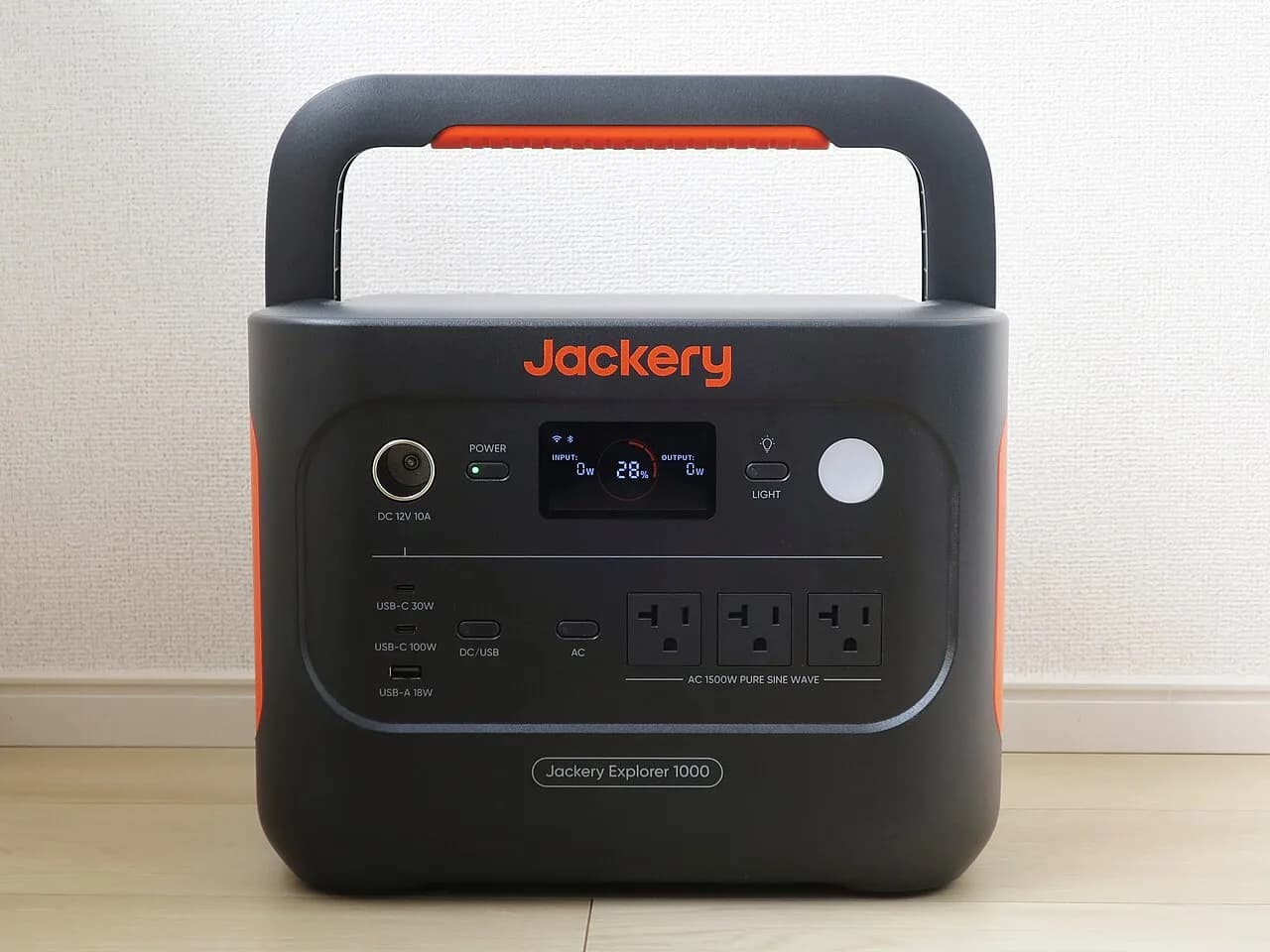
Choose between EcoFlow, Jackery and Bluetti by matching current model specifications to one trip plan, rather than ranking whole brands.
For van builds that want plug-and-play power without hardwiring, EcoFlow, Jackery, and Bluetti are the three brands that come up most in the US market. Here's how they compare for van life.
Not sure if a power station or house battery fits better?
Our calculator compares both approaches based on your actual daily usage — free.
EcoFlow: fast charging, expandable
EcoFlow's Delta series is known for:
- Fast AC recharge — among the quickest in the category from a wall outlet.
- Expandable capacity on many models via add-on battery packs, letting you start smaller and grow.
- Strong app/monitoring experience.
Good for: full-time or heavy users who want to scale capacity over time and value fast recharge between stops.
Jackery: simple and compact
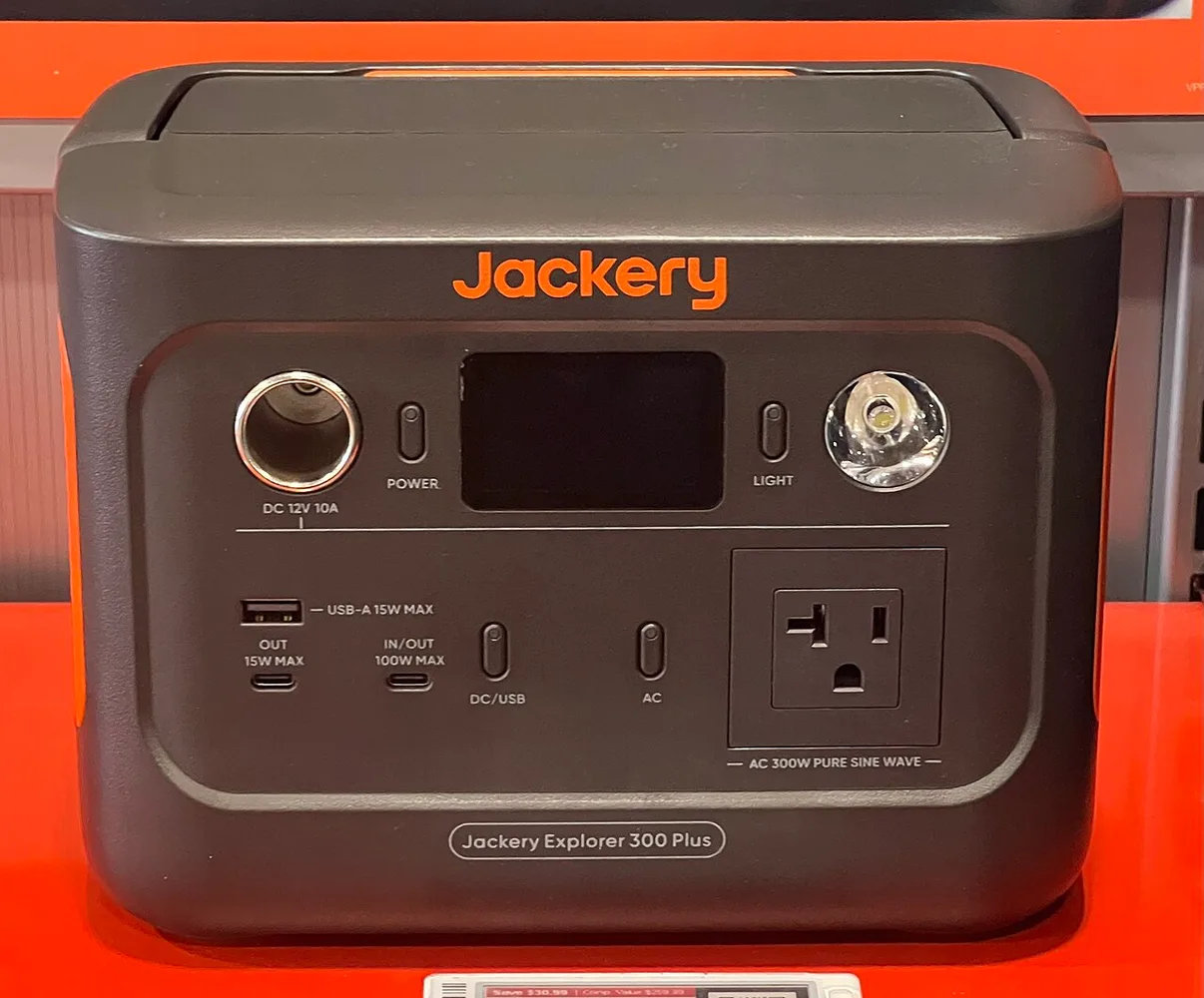
Jackery's lineup tends toward smaller, lighter units that are straightforward to use — fewer configuration options, generally lower capacity ceilings than EcoFlow's largest Delta units or Bluetti's AC200 series.
Good for: car camping, weekend trips, or as a secondary/backup power source rather than a primary van power system.
Bluetti: large capacity with an RV port
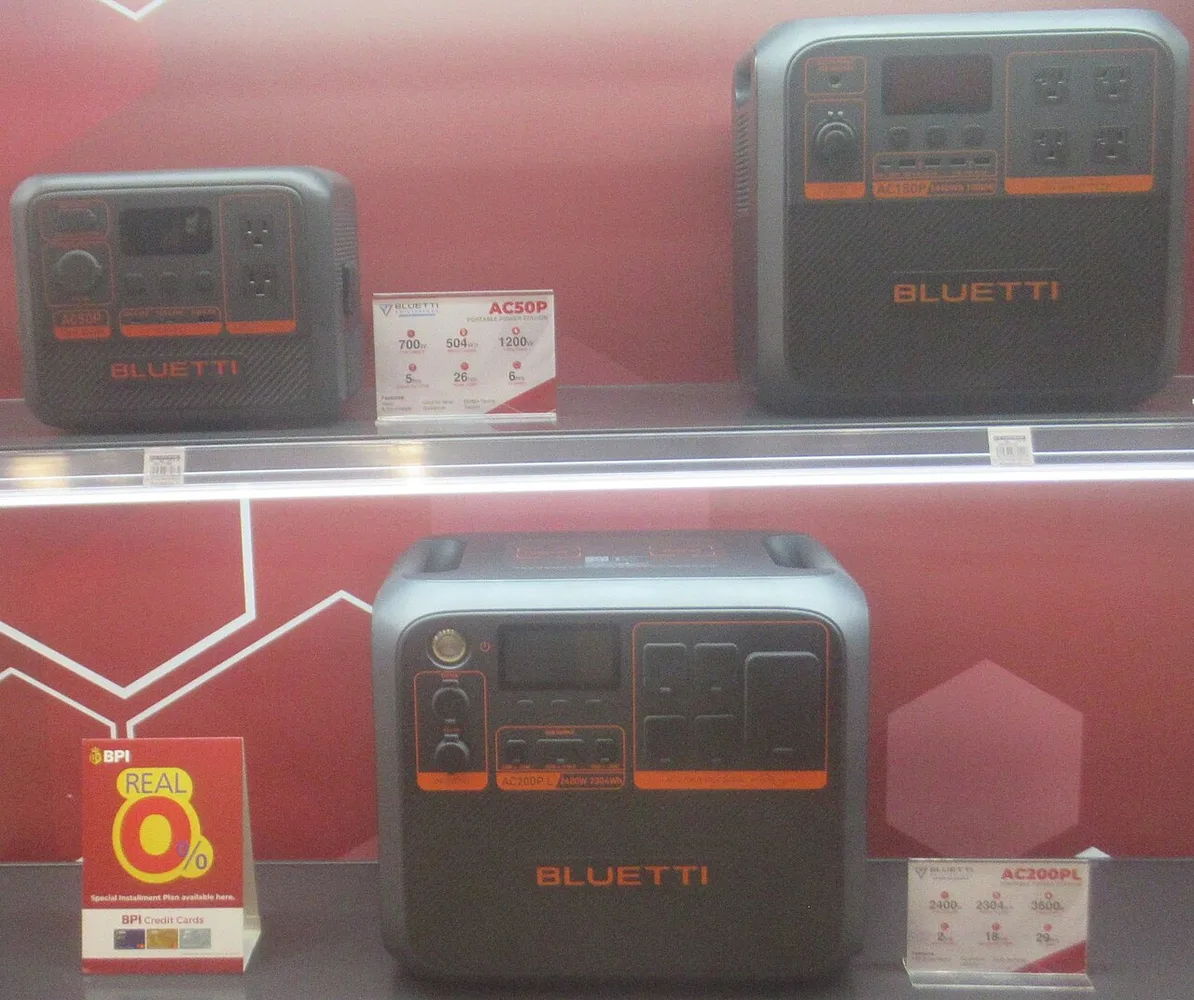
The Bluetti AC200L and similar AC200-series units stand out for:
- Large capacity (2,000Wh class), approaching what a small hardwired house battery would provide.
- A built-in 30A RV port, letting it connect to an RV's shore power-style wiring more directly than a typical power station — see the Bluetti AC200L (2026): RV Specs and Verdict.
Good for: builds that want a single large unit that can stand in for much of a hardwired system, without the wiring work.
Quick comparison
| EcoFlow Delta series | Jackery | Bluetti AC200-series | |
|---|---|---|---|
| Capacity range | Mid to very large (expandable) | Small to mid | Large |
| AC recharge speed | Fast | Moderate | Moderate |
| Expandable | Yes (select models) | Limited | Limited |
| RV-specific features | Varies by model | Limited | 30A RV port (AC200L) |
Which should you choose?
- Want to start smaller and grow: EcoFlow's expandable Delta models.
- Want simple, compact, and budget-friendly: Jackery.
- Want one large unit with RV-style connections: Bluetti AC200L.
Whichever you choose, run the numbers on your actual daily usage first — see power station vs. house battery and how long will a power station run a 12V fridge to ground the comparison in real Wh, not just brand reputation.
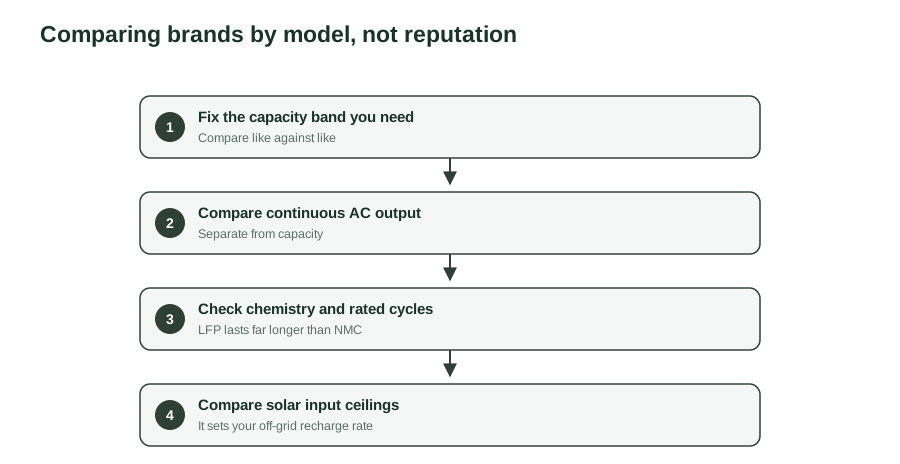
Include Goal Zero in a model-specific shortlist
Compare exact model generations, not brand names alone. For each shortlisted Goal Zero, Jackery, EcoFlow or Bluetti unit, record usable-output evidence if available, nominal Wh, battery chemistry, continuous AC watts, DC-port limits, solar voltage/current range, expansion compatibility, carrying weight and warranty terms. Do not mix a legacy model's specifications with its replacement.
Are proprietary solar panels required?
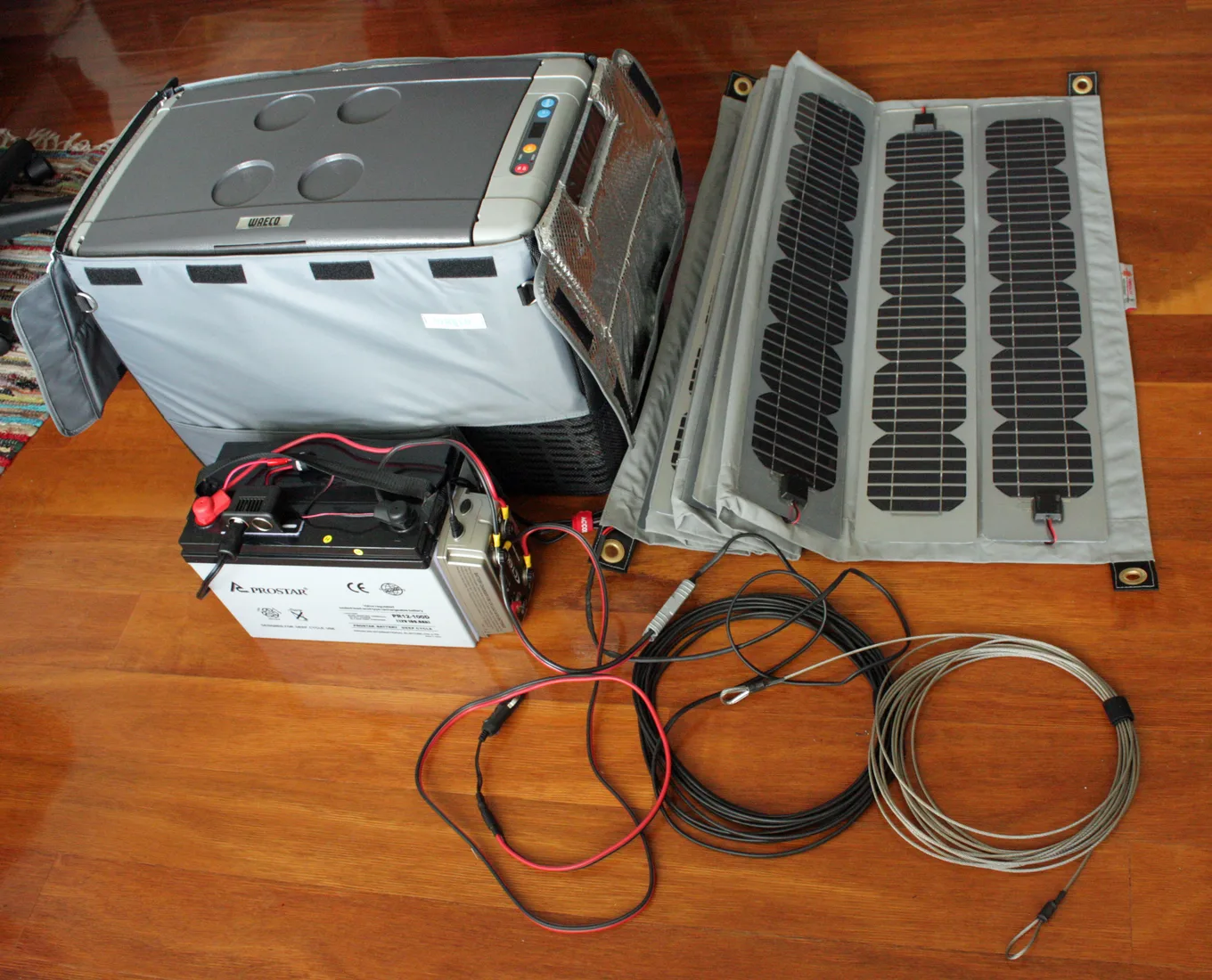
The connector alone does not establish compatibility. Check polarity, connector wiring, panel cold-weather voltage, current limits and the manufacturer's supported adapters. Compare the complete kit price, including any necessary leads. A bundle is useful only if its panels can be deployed and stored in your actual van.
This is a specification-based buying comparison. It does not claim that Roam Wired has independently capacity-tested these units or measured customer-service performance.
Where Anker SOLIX fits in the comparison
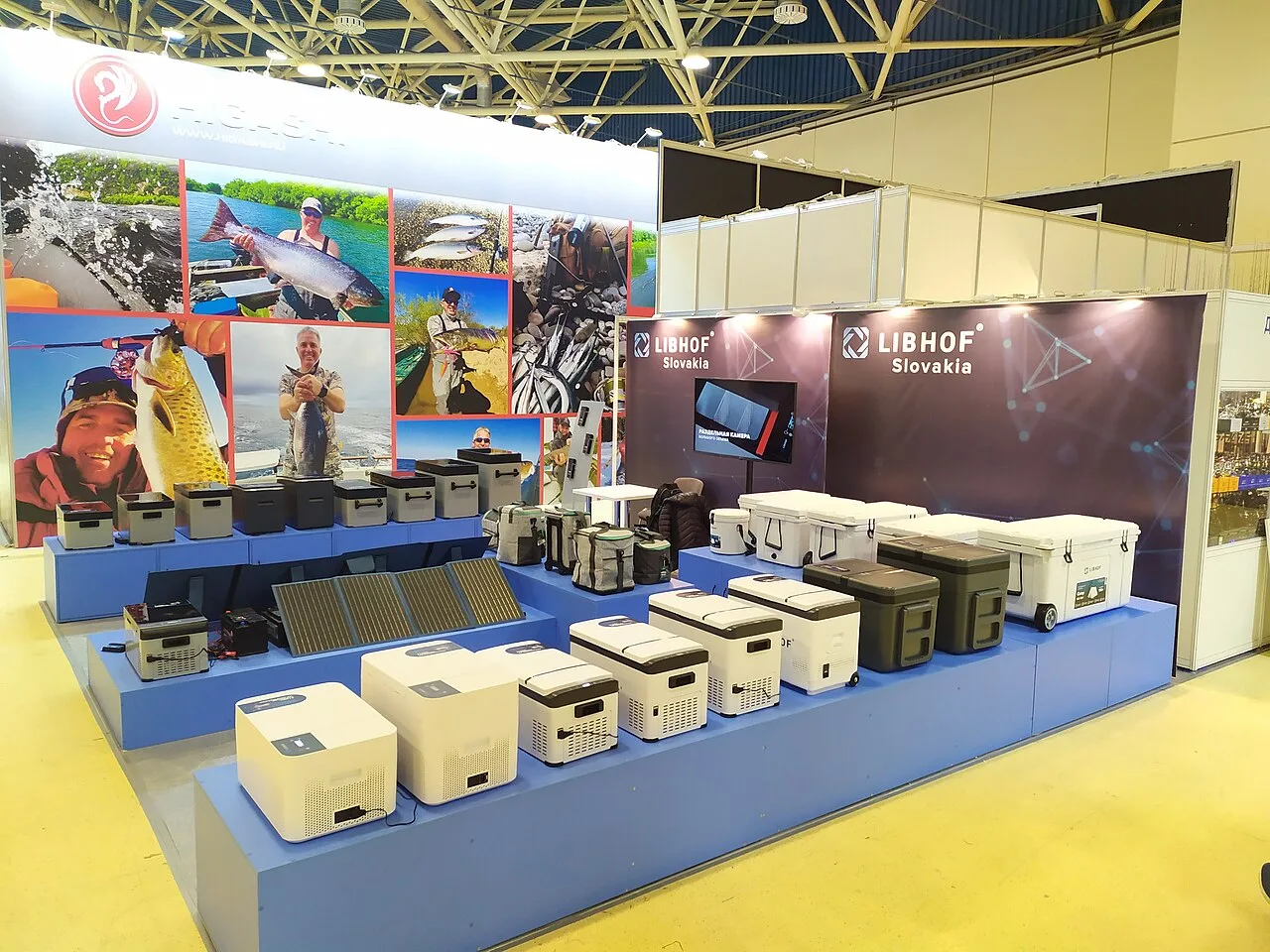
Add the exact Anker SOLIX model to the same worksheet as the other candidates. In particular, distinguish a car-style DC socket from a dedicated high-current RV port; a brand name or AC wattage rating does not establish the DC output available to your van. Check the current manual for shared-port limits and expansion support.
For an illustrative 40W continuous DC load, daily energy is 960Wh. A nominal 1,000Wh station would have little margin even before losses and reserve, regardless of which brand has the fastest AC charging claim. Test the complete use case on paper before comparing recharge headlines.
Which app is best?
Compare the functions you need—offline monitoring, charge limits, input settings and update requirements—against the current product documentation. We do not claim a comparative hands-on app or long-term reliability test here. Firmware features and model generations can change independently of a brand's reputation.
Worked planning check
Use the same 600Wh daily energy requirement and 1,200W peak appliance for all three quotes. Compare usable-energy assumptions, solar voltage range, charging time under your available supply, weight and warranty terms. A promotional bundle price should include only accessories you will actually use.
The figures or dimensions in this example are explicit planning assumptions, not a product test or an installation specification. Replace them with your equipment data and actual measurements.
Planning questions
How long will a 1000Wh power station last?
Divide the energy actually available at the chosen outlet by the average load. As an illustrative calculation, 800Wh delivered to a 100W average load gives eight hours; real losses and temperature vary.
Is battery capacity the same as inverter output?
No. Wh describes stored energy, while W describes power. A unit can have enough energy for a trip yet be unable to start a particular appliance.
Can I charge a power station from any solar panel?
Only if voltage, current, connector and polarity satisfy the exact station’s input requirements, including cold-weather panel voltage. An adapter does not change those limits.
Related guides
- Power station vs. house battery
- Bluetti AC200L (2026): RV Specs and Verdict
- How long will a power station run a 12V fridge
- Best power station for CPAP camping
Continue planning
Frequently Asked Questions
Keep the build moving
Make the next build decision easier.
Get practical diagrams, calculator updates and honest product comparisons in your inbox.
Jack Kennedy is a self-builder who has built two vans. He created Roam Wired to simplify conversion planning and share free tools, supported by affiliate links.
About Jack