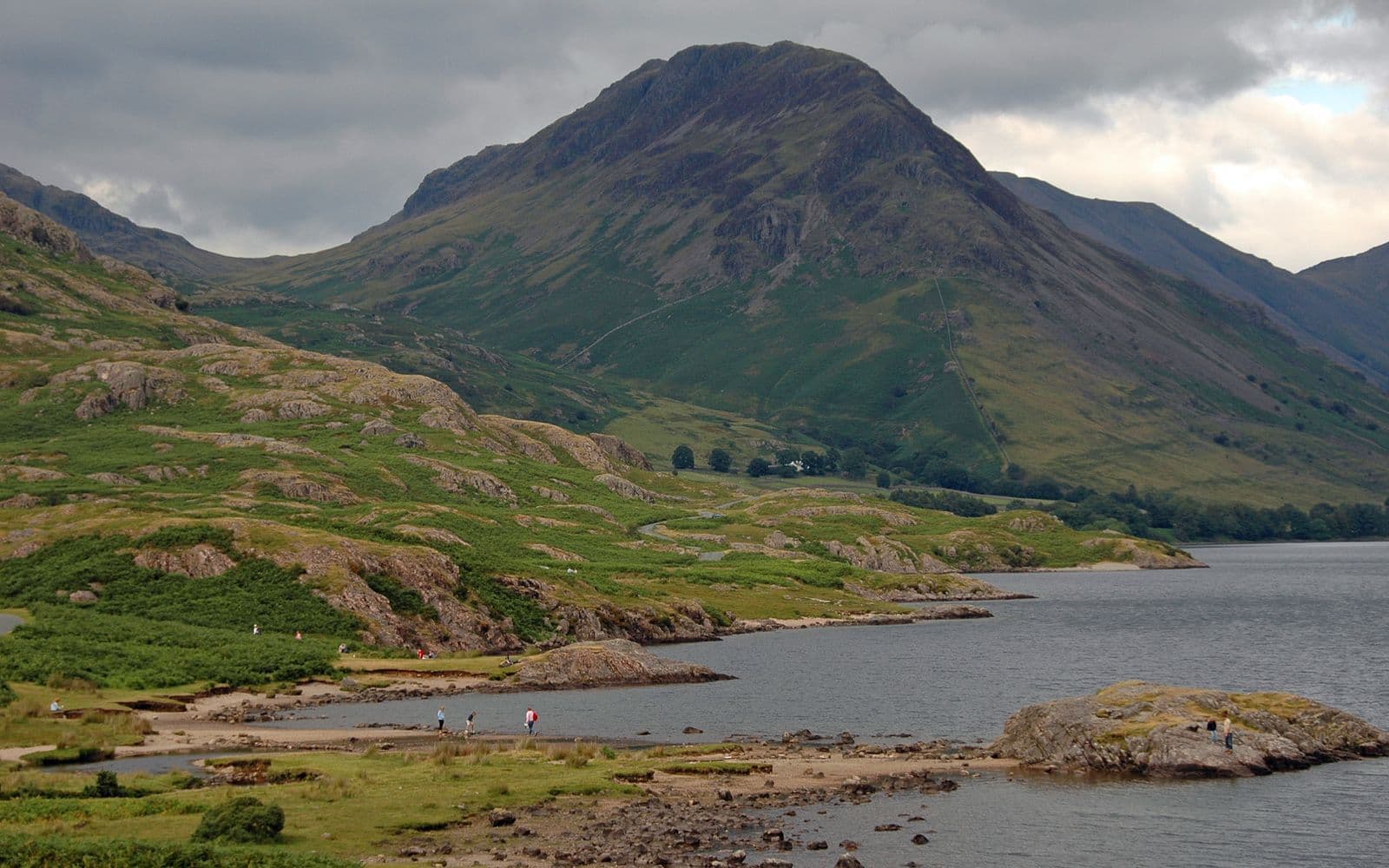
The Lake District is compact on a map but slow in practice. Villages, hikers, buses, stone walls and limited parking make a 25-mile transfer meaningful. The solution is a small van, three bases and one major activity per day.
- 1
Manchester or Liverpool
- 2
Windermere & Ambleside
Drive from previous stop: 1 hr 30–2 hr
- 3
Grasmere
Drive from previous stop: 35 min
- 4
Keswick & Derwentwater
Drive from previous stop: 35 min
- 5
Buttermere
Drive from previous stop: 40 min
- 6
South Lakes return
Drive from previous stop: 1 hr 30–2 hr
Schematic route by Roam Wired. Drive times are planning estimates; traffic, weather and vehicle restrictions can change them.
Manchester, Liverpool or local?
Manchester normally gives the best combination of flights, trains and inventory. In clear traffic, the M61/M6 route reaches the southern Lakes in around 90 minutes, but Friday evenings can add substantially more.
Liverpool can be competitive and pairs with North Wales. A local Windermere, Keswick or Lake District collection removes motorway miles, but compare delivery and public transport.
| Pick-up | Strongest reason | Main trade-off |
|---|---|---|
| Manchester | Major transport hub and broad choice | Transfer traffic |
| Liverpool | Lakes plus North Wales | Longer to eastern/northern Lakes |
| Windermere | Start inside the park, rail access | Smaller search pool |
| Keswick | Immediate northern/western access | Harder collection logistics |
The 5-day route
Day 1: Windermere
Collect early and use the M6/A590 or A591 approach, avoiding sat-nav shortcuts. Base near Windermere or Ambleside for two nights. After pitching, walk, take a bus or use a boat instead of moving the van again.
Day 2: Ambleside without the van
Choose a boat-and-walk combination, low-level trail or bus. A campsite near the transport spine is worth paying for because central parking fills early and bays may not fit a long vehicle. Save high fells for a stable forecast, proper equipment and adequate daylight.
Day 3: Grasmere to Keswick
Follow the A591 through Grasmere and Thirlmere—about 30 miles, but allow most of the day with stops. Continue to a booked site near Keswick and leave the van for Derwentwater. A launch or circuit on foot avoids hunting for another parking space.
Day 4: Buttermere
Use the B5289 only when dimensions, rental terms, traffic and weather suit it. In a larger motorhome, leave the vehicle near Keswick and use seasonal public transport or choose a main-road alternative. Buttermere’s shoreline walk is the point.
Do not route a rental camper over Hardknott and Wrynose as a casual shortcut. They are exceptionally steep, narrow and exposed. Brakes, clutches, oncoming vehicles and recovery access become serious issues.
Day 5: Main-road return
Return via the A591/A590 and M6, with fuel, cleaning, waste disposal and traffic buffers. A 4pm return does not mean leaving Keswick at 2pm.
Legal overnight stays
The Lake District visitor guidance directs motorhomes and campers to designated sites. Its wild-camping guidance says wild camping technically needs landowner permission and the tolerated tradition concerns small tents high on the fells—not vehicles.
Do not sleep in national-park car parks or roadside verges. A pay-and-display ticket covers stated parking hours, not habitation. Use full campsites, certified sites, an authorised motorhome stop or explicit permission. Reserve weekends, school holidays and lakeside sites early.
Day parking is not an overnight pitch
Check the sign at the exact facility. “Motorhomes accepted” may mean daytime parking only, and arriving late does not remove the restriction.
Vehicle choice
For two people, a short- or medium-wheelbase camper with heating is the sweet spot. A pop-top is compact, but cannot be raised safely in high wind; a fixed high roof is easier in wet weather.
For a family, verify legal belted seats, child-seat mounting, bed lengths and payload. A coachbuilt motorhome adds a bathroom but restricts roads and parking. If the itinerary depends on narrow lanes, downsize the vehicle or redesign the itinerary.
Season and budget
| Period | Advantages | Trade-offs |
|---|---|---|
| April–May | Waterfalls, fewer crowds | Cold nights; busy Easter |
| June | Longest daylight | Popular sites still fill |
| July–August | Full services | Highest prices and traffic |
| September–October | Autumn colour | Shorter days and rain |
| Winter | Dramatic and quiet | Ice, storms and closed sites |
| Item | Five-night range for two |
|---|---|
| Hire | £400–£850 |
| Fuel | £70–£130 |
| Five campsites | £110–£225 |
| Parking, boats, buses | £50–£130 |
| Food and contingency | £170–£330 |
| Indicative total | £800–£1,665 |
See what UK campervan hire costs. Book the van, reserve the first and Saturday nights, record dimensions, remove unsuitable passes from navigation and plan at least one car-free day.
Start with Lake District hire, then compare Manchester and Liverpool if local choice is thin.
Parking and car-free planning
Build each day around one parking decision. Confirm the stated vehicle restrictions at the exact car park, arrive early and leave the camper there while walking, taking a boat or using a bus. Repeatedly moving between Ambleside, Grasmere and Keswick consumes time and increases the chance of finding every lot full.
Never stop on a passing place, soft verge or narrow approach to take a photograph. A grass edge may conceal a drain or give way under a loaded vehicle. If the legal bay does not contain the whole van, continue to a suitable facility.
Plan a no-drive day in both two-night bases. Around Windermere, combine boat services with a walk or bus. Around Keswick, use Derwentwater launches and trails. This reduces fuel and parking costs while making the itinerary more resilient to traffic.
Food, water and waste
Shop before entering the park on a Friday or holiday weekend, but keep payload in mind. Confirm which booked sites provide potable water, toilet disposal and grey-water facilities. A public toilet is not a dump point, and grey water should never be released on a road or pitch.
Cooking outdoors may be restricted by the site or unsafe in wind. Carry an indoor meal that the rental’s approved cooker can prepare with ventilation. Never use a barbecue, camping stove or unapproved heater inside the van.
Wet-weather alternative plan
Set three versions of every hiking day:
- the intended fell or long trail in suitable conditions;
- a low-level lake or woodland walk;
- a village, museum, boat or café day when wind, flood or visibility is poor.
Check the mountain forecast, not only a city forecast. Turn around when conditions, daylight or the group’s ability require it. A campervan supplies dry clothes and tea at the end; it does not make a hazardous route safe.
Mistakes that damage a Lake District trip
- Booking a large motorhome before checking every access road and pitch.
- Letting navigation select Hardknott or Wrynose because the line looks shorter.
- Planning a hike on collection afternoon without a late-arrival agreement.
- Assuming paid daytime parking permits an overnight stay.
- Leaving all campsite reservations until the weather forecast is certain.
- Moving the vehicle for every viewpoint instead of walking or using transport.
- Underestimating the cold created by wet clothing and wind.
The strongest plan is deliberately modest: two nights south, two north, legal sites and enough spare time to wait out rain. Add another valley only when another night is available.
Before leaving each site, walk around the van: disconnect hook-up, close rooflights, latch cupboards, secure loose gear and check beneath the vehicle. Confirm the next pitch’s latest arrival time before setting off; reception may disappear between valleys.
Plan the booking
Compare campervan pick-up locations for this trip
Choose the handover point that fits the route, then compare the complete checkout price, mileage allowance and first-night logistics.
Frequently Asked Questions
Keep the build moving
Make the next build decision easier.
Get practical diagrams, calculator updates and honest product comparisons in your inbox.
Jack Kennedy is a self-builder who has built two vans. He created Roam Wired to simplify conversion planning and share free tools, supported by affiliate links.
About Jack