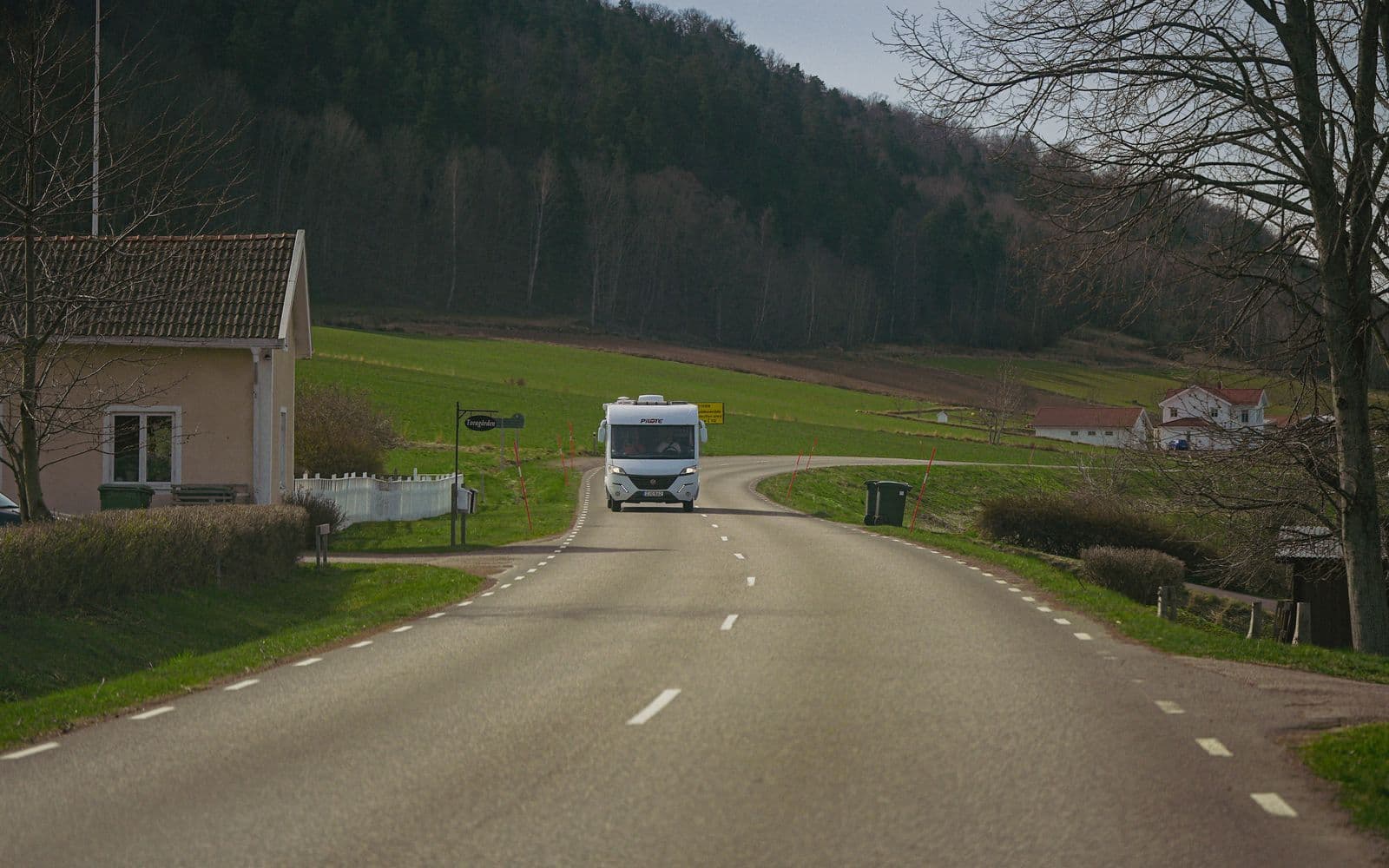
The cost of campervan hire includes the booking total, mileage terms, fuel, overnight stops and optional extras; the headline nightly rate is only one part.
The realistic answer is about £300–£1,200 for a week’s hire before trip costs, with an enormous difference between a basic two-berth camper in November and a six-berth motorhome in the August school holidays. The most useful comparison is therefore the all-in cost for your exact dates, not a universal nightly average.
The current Goboony UK pricing guide puts general weekly hire in that broad range and splits the year into low, shoulder and high seasons. Provider figures change, so use the tables below as planning ranges and confirm the live total and terms on the listing.
Price the whole trip, not one night
Compare available vans by pick-up location, then check the mileage, insurance excess, deposit and included equipment on your shortlist.
UK campervan hire prices by season
| Vehicle | Low season, weekly | Shoulder season, weekly | High season, weekly |
|---|---|---|---|
| Compact two-berth camper | £300–£900 | £350–£1,000 | £400–£1,100 |
| Family four-berth camper or motorhome | £500–£1,000 | £550–£1,100 | £600–£1,200 |
These are indicative marketplace bands, not guaranteed quotes. Low season is broadly October to April; shoulder season is commonly May, June and September; high season is July and August. Christmas, Easter, bank holidays, festivals and major events can behave like high season even when the month normally does not.
The width of each range is real. Vehicle age, heating, toilet and shower, automatic transmission, pet policy, delivery, number of berths and owner ratings can change the price as much as the destination.
The seven costs that make up the real total
1. Base hire
This is the advertised day or week rate. Check whether collection and return days are charged as full days, whether there is a minimum trip length and whether the owner offers a weekly discount. A cheap nightly rate attached to a seven-night minimum may not suit a long weekend.
2. Insurance, excess and deposit
Basic insurance may be included, but “included” does not mean zero risk. Read the excess: it is the amount you may owe if damage occurs. Optional excess-reduction cover can lower that exposure. Goboony currently advertises provider-specific excess cover from £14.80 per day on eligible bookings, potentially reducing a deposit to £150, but availability and terms vary—verify the actual checkout rather than treating that as a site-wide promise.
The security deposit is usually a refundable hold, yet it still affects cash flow. Confirm who holds it, what payment card is accepted, the inspection process and the release timetable.
3. Mileage
Some listings include unlimited mileage; others include a daily allowance and charge for excess miles. A North Coast 500 trip can exceed 700 miles once you include the drive to Inverness and detours. A seemingly cheaper van can become dearer if its allowance does not match the route.
4. Fuel
Estimate fuel from route miles, realistic vehicle economy and the current pump price:
fuel cost = route miles ÷ miles per gallon × 4.546 × price per litre
For example, 700 miles at 30 mpg uses about 106 litres. At an illustrative £1.50 per litre, that is roughly £159. Larger coachbuilt motorhomes can use materially more than compact campers, especially on hills and at motorway speed.
5. Campsites and overnight stops
A planning allowance of £20–£45 per night covers many ordinary pitches; premium coastal parks, electric hook-up and school-holiday dates can cost more. Mix full-facility nights with simpler certified sites or authorised stopovers. Never build a budget around free roadside sleeping where overnight vehicle use is restricted.
6. Optional extras
Look for bedding, outdoor chairs, child seats, bike racks, portable toilets, additional drivers, pet fees, airport delivery and late-return charges. Paying £40 more for a properly equipped van may be better than hiring equipment piecemeal.
7. Food, ferries, tolls and activities
Self-catering is a genuine saving, but not free. Island ferries can be a major line item and often price by vehicle length. Book the van before a non-refundable ferry only when the listing confirms its dimensions and travel is permitted.
Three worked UK trip budgets
These are planning examples, not quotes.
| Trip | Hire and cover | Fuel | Pitches | Other | Approx. total |
|---|---|---|---|---|---|
| Couple, 4 nights, May, compact camper | £420 | £85 | £90 | £55 | £650 |
| Couple, 7 nights, September, Highlands | £800 | £170 | £175 | £105 | £1,250 |
| Family, 7 nights, August, four-berth | £1,250 | £210 | £280 | £160 | £1,900 |
The “other” column allows for parking, gas, food top-ups or an attraction; it excludes restaurant-heavy spending. Add a contingency of around 10% if this is your first hire.
Which vehicle gives the best value?
| You are… | Usually start with… | Why |
|---|---|---|
| Two people on a short summer trip | Compact two-berth | Easier parking, lower fuel use, adequate living space outdoors |
| Two people in wet or cold weather | High-roof camper with heating | Standing room and indoor cooking matter more when doors stay shut |
| Family of three or four | Four-berth with belted travel seats | Legal passenger seats and workable beds matter more than headline price |
| Touring narrow rural roads | Short wheelbase or pop-top | Less stressful on lanes and easier in town car parks |
| Staying mostly on full-service sites | Simple camper | You may not need an onboard shower, large tanks or a generator |
Check payload as well as berths. “Sleeps four” does not automatically mean four adults, luggage, water and bikes fit comfortably or legally.
Best-value pick-up locations
Start with inventory and route logic, not only airport convenience.
- London campervan hire offers the broadest starting area for southern trips, but collect outside the centre and check clean-air or congestion charges.
- Edinburgh, Glasgow and Inverness serve different Scotland itineraries. Inverness removes the long transfer for the NC500; Glasgow is excellent for the west; Edinburgh can have more flight options.
- Bristol is a practical rail and motorway gateway for a Cornwall and Devon road trip.
- Manchester has more big-city inventory for the Lake District, while a local Lake District collection can save driving time.
How to lower the cost without damaging the trip
- Compare the checkout total. Normalize every quote to the same nights, mileage, cover and equipment.
- Move one week outside school holidays. A small date change can beat hours of coupon hunting.
- Choose the smallest van that works in bad weather. Too small becomes miserable; too large costs more every day.
- Return to the same location. One-way logistics are convenient but often expensive or unavailable in peer-to-peer fleets.
- Plan mileage before booking. Route the major legs and compare them with the included allowance.
- Book scarce pitches first. Coastal Cornwall, the Lake District and iconic Highland sites can determine the itinerary.
- Photograph collection and return. Record bodywork, glass, tyres, fuel, mileage and interior condition with timestamps.
The cheapest van is not always the lowest-cost booking
A van with unlimited mileage, sensible excess, heating and included bedding can beat a lower headline rate once the trip is totalled. Put every shortlisted vehicle into the same simple cost table.
A five-minute quote checklist
- Are the dates and collection times correct?
- How many legal belted seats and usable beds are there?
- What mileage is included, and what is the overage rate?
- What are the insurance excess and refundable deposit?
- Are windscreen, tyre, roof and underbody damage treated differently?
- Is breakdown support included throughout the route?
- Are gas, bedding, cookware and cleaning included?
- Is travel to islands or outside the UK permitted?
- What are the cancellation and late-return rules?
Once two quotes pass that checklist, choose based on fit and owner reliability—not a £5 difference in nightly rate.
Next step
Browse UK campervan hire by region, then use the route guides to price the mileage and hard-to-book nights:
Worked planning check
An illustrative seven-night quote at £100 per night is £700. Add £70 of mandatory fees, £180 fuel and £210 campsites for £1,160 spent. A refundable £1,000 deposit affects cash available but should not be added as a cost unless it is retained.
The figures or dimensions in this example are explicit planning assumptions, not a product test or an installation specification. Replace them with your equipment data and actual measurements.
Planning questions
What should a campervan trip budget include?
Include the complete hire quote, mandatory fees, mileage charges, fuel, overnight stops and chosen extras. Track a refundable deposit or card hold separately from expected spending.
Can I sleep anywhere I can park?
No. Parking and overnight occupation permissions can differ. Check the exact landowner, local authority, site rules and signs for the date of travel.
How far should I drive after collection?
Allow time for the handover, shopping and learning the vehicle. Choose a manageable first night and confirm site arrival times instead of planning from map distance alone.
Use the free electrical planner to organise your daily loads and charging assumptions.
Continue planning
Plan the booking
Compare campervan pick-up locations for this trip
Choose the handover point that fits the route, then compare the complete checkout price, mileage allowance and first-night logistics.
Frequently Asked Questions
Keep the build moving
Make the next build decision easier.
Get practical diagrams, calculator updates and honest product comparisons in your inbox.
Jack Kennedy is a self-builder who has built two vans. He created Roam Wired to simplify conversion planning and share free tools, supported by affiliate links.
About Jack