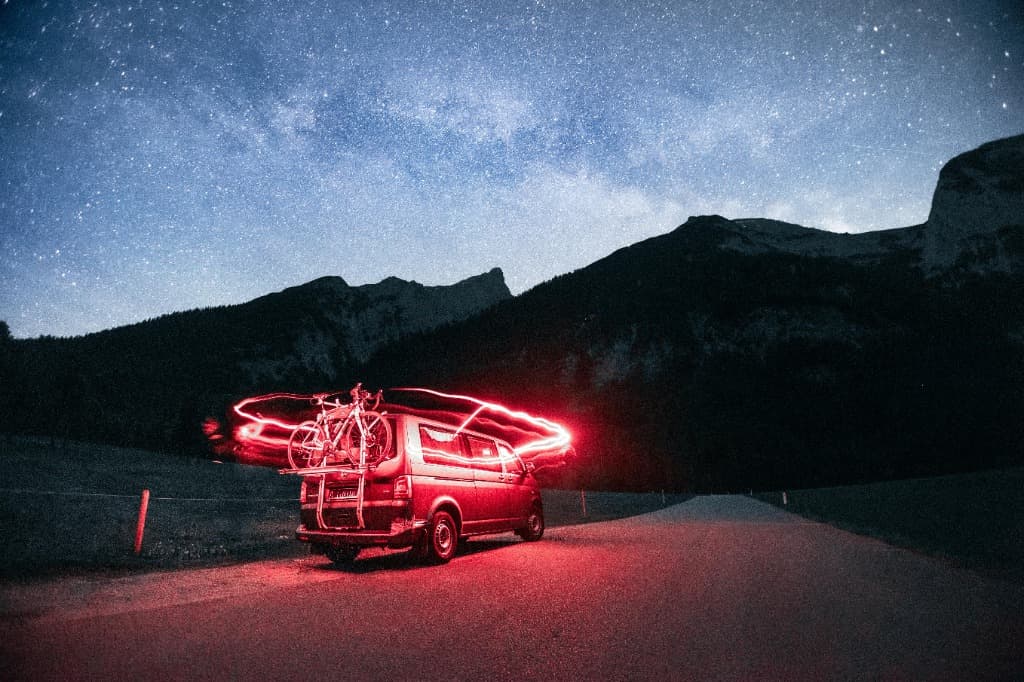
Minivan camping has exploded in popularity — they're stealthy, comfortable, fuel-efficient, and accessible. A simple electrical system transforms one into a capable camper. Here's what's practical.
What minivan builds need electrically
Minivan campers are generally smaller builds — a weekend or lightweight full-time setup rather than a high-power rig. Typical electrical needs:
- 12V compressor fridge or soft cooler
- Phone and laptop charging
- LED lighting
- USB accessories (fan, pump)
- Possibly a small inverter for laptop AC adapter
Daily load estimate: 200–500Wh — well within what a 100Ah LiFePO4 + 100–200W solar can handle.
Battery options
100Ah LiFePO4 (recommended): Fits in a surprisingly small space — most are about 12" × 7" × 8". Under a removed rear seat or in a flat cargo floor box. Powers a fridge + laptop for 2+ days without charging.
50–80Ah LiFePO4: If space is very tight (Prius, Sienna with narrow cargo area). Fine for weekend use without a fridge.
Group 31 AGM: Cheaper upfront, heavier, and only 50% usable — a 100Ah AGM gives you 50Ah usable vs a 100Ah LiFePO4's 80Ah. Worth the lithium premium for the weight and capacity difference.
Solar on a minivan
The curved roof of most minivans limits options:
Flexible panels (100–160W): Glue directly to the roof with VHB tape and cable adhesive. No drilling. Easy, stealthy, works well if you're not parking in direct sun for extended periods (flexible panels run hotter than rigid and lose efficiency).
Low-profile rigid panels with suction mounts or crossbar mounts: Better efficiency, removable. Requires some roof rack infrastructure.
Toyota Sienna: Has factory roof rails on most trims — easy to add a 100–150W panel on a crossbar rack.
Honda Odyssey: Tighter roof curves, no factory rack on base models. Flexible panel or aftermarket rack needed.
DC-DC charger for minivans
Most minivans use conventional or mild-hybrid alternators. Check whether your specific model has a smart alternator (Toyota hybrid systems definitely do) — if yes, a DC-DC charger is required, not optional.
A 20A DC-DC charger (Renogy DCC20S, ~$100) is sufficient for a 100Ah bank — it charges at 240W, which fully charges a depleted 100Ah battery in about 4 hours of driving.
Toyota Sienna hybrid note
The 2021+ Toyota Sienna is a hybrid with no traditional 12V alternator output to the house battery. Charging the house battery from the hybrid system requires either:
- A DC-DC charger wired into the 12V accessory circuit (charges slowly, from the car's 12V battery which is itself charged from the hybrid system)
- A dedicated solar panel only
- Shore power only
Check Sienna-specific forums for current solutions — this is an evolving area.
Simple minivan wiring
[100Ah LiFePO4] ← [DC-DC charger] ← starter battery
       ↓
[60A fuse] → [positive bus bar]
       ├── [12V fridge, 10A fuse]
       ├── [USB/12V hub, 10A fuse]
       └── [lighting, 5A fuse]

[Solar panel] → [MPPT controller] → battery
Related
Frequently Asked Questions
Keep the build moving
Make the next build decision easier.
Get practical diagrams, calculator updates and honest product comparisons in your inbox.
Roam Wired
Roam Wired turns campervan research into practical plans. We publish transparent guidance, a free electrical design tool and marketplace resources for UK and US van builders.
About our approach