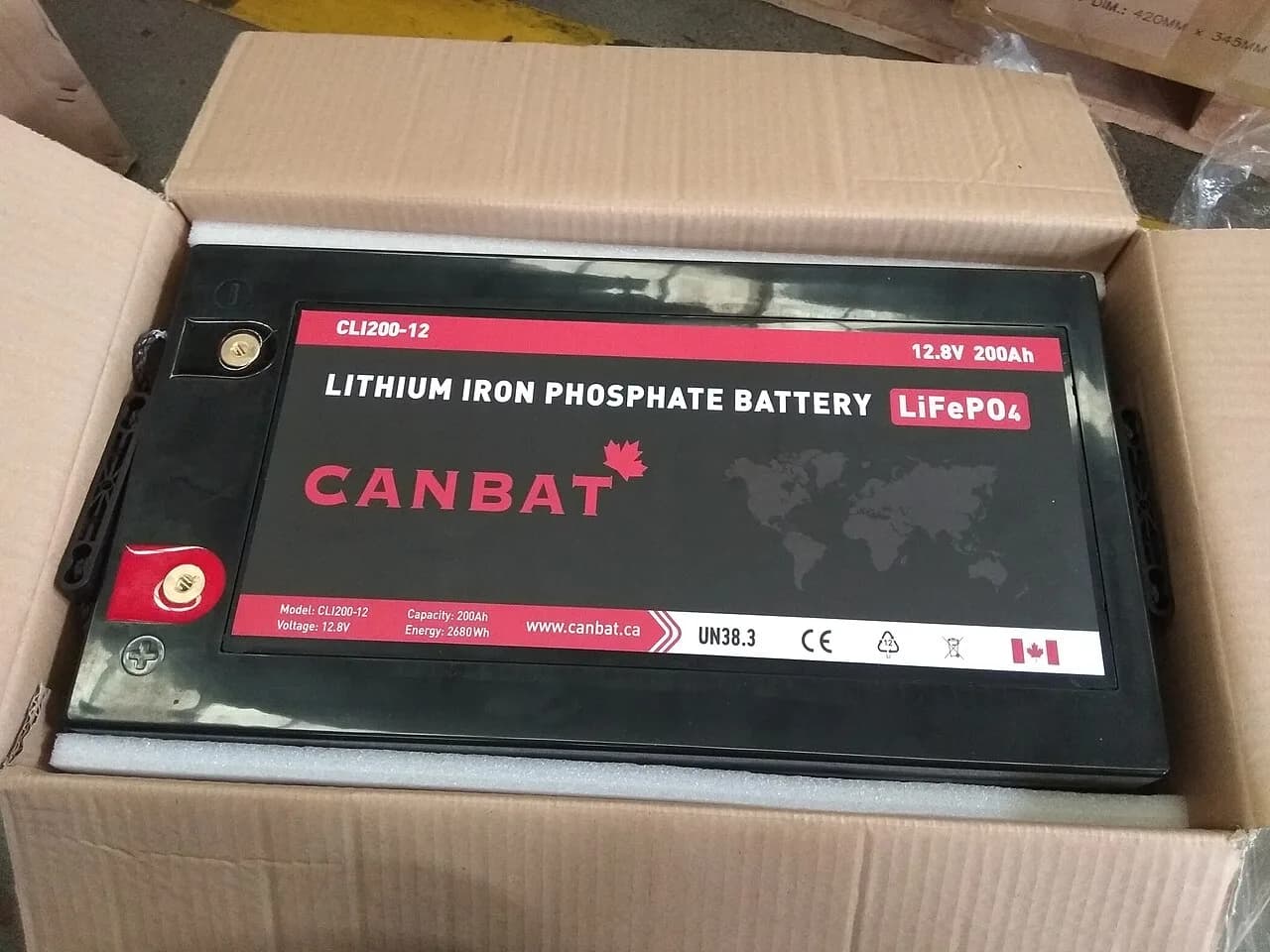
Evaluate a budget battery from traceable specifications, protection limits and seller support, not an unsupported claim that an entire brand is safe.
Budget LiFePO4 batteries have improved significantly in recent years. Several brands now offer genuine value — others are still cut-corner products that could fail in use. Here's how to tell them apart.
The budget LiFePO4 tier (under $350 for 100Ah)
LiTime — Best budget pick (~$280/100Ah)
Already covered in detail in the LiTime 100Ah Battery: Specs and Compatibility Guide. Short version: the best value LiFePO4 with a proven track record, 5-year warranty, and real community testing.
Chins 100Ah (~$220)
Chins has been selling LiFePO4 batteries in the US since ~2019 and has accumulated enough reviews to assess honestly:
- BMS handles van loads adequately for most applications
- 100A continuous discharge claimed — verify the exact model’s manufacturer rating
- 2-year warranty (shorter than LiTime's 5-year)
- Customer service is responsive but not as established as LiTime
Best for: Budget builds, backups, first batteries where you want to test the concept before investing more.
Weize 100Ah (~$220)
Weize is structurally similar to Chins — a lower-price Chinese brand with a US Amazon presence:
- Adequate BMS for typical van loads
- 2-year warranty
- Less community testing data than LiTime
Acceptable in the same scenarios as Chins. When in doubt, spend the extra $60 for LiTime's superior warranty and community track record.
SOK 100Ah (~$320) — Budget-premium border
SOK sits at the upper end of the "budget" tier:
- IP65-rated (water and dust resistant)
- 200A BMS — higher discharge rating than most in this tier
- Bluetooth monitoring on some models
- 5-year warranty
- Built in the same factory as some other respected brands
At $320 vs LiTime's $280, SOK is worth the extra $40 for the higher BMS rating and IP65 build quality.
What to avoid
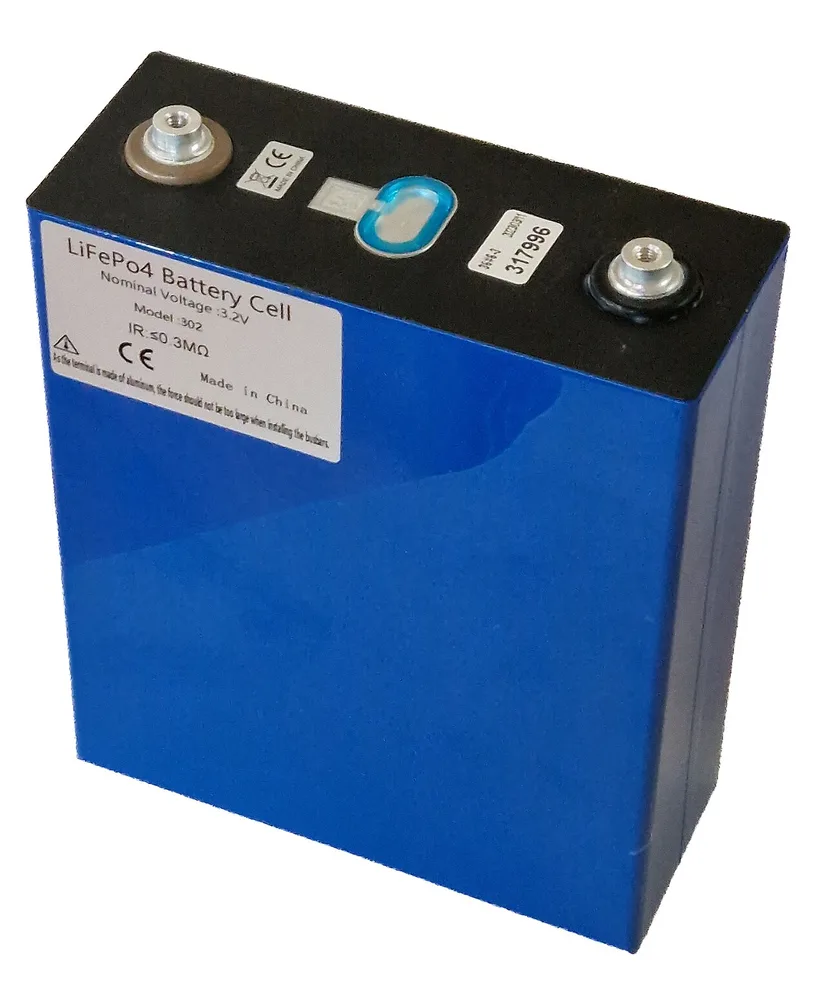
Under $180 for 100Ah: At this price, cell quality is likely compromised — Grade B or recycled cells with lower cycle life. BMS specs may be overstated.
Anonymous brand with no reviews: A $150 100Ah from a brand with 12 reviews and no history is a genuine risk — no warranty recourse if it fails.
Claimed specs that defy physics: 100Ah batteries that claim 200A continuous discharge for extended periods, 4,000 cycles at 100% DoD, or 5-year warranties from brands that have existed for 6 months.
Price vs quality matrix
| Brand | 100Ah price | Warranty | Track record |
|---|---|---|---|
| LiTime | ~$280 | 5 years | Strong (3+ years) |
| SOK | ~$320 | 5 years | Strong (3+ years) |
| Chins | ~$220 | 2 years | Adequate (3+ years) |
| Weize | ~$220 | 2 years | Adequate |
| Battle Born | ~$1,050 | 10 years | Excellent (5+ years) |
US equipment options
Include the exact model in your value comparison
Compare current supplier prices and the features you actually need. A larger capacity, a heating feature and a lower starting price are separate factors; none establishes a universal best-value winner.
House battery
Epoch 12V 105Ah Essential Series LiFePO4 Battery (1.34kWh)
A compact-capacity option to compare for a modest daily energy budget.
Check before choosing: Physical fit, usable energy, discharge current and the exact cold-charge/heating specification.
House battery
Epoch 12V 314Ah Eco Series LiFePO4 Battery (4.02kWh)
A larger single-battery option when the calculated energy reserve calls for more capacity.
Check before choosing: Mounting, current limits and charging requirements; do not assume the Eco model shares every Essential-series feature.
These links open our US shop. Check the exact configuration, current price and availability there; affiliate products are purchased from the named supplier. We may earn a commission from qualifying purchases.
Worked planning check
Compare two example 100Ah quotes using battery price plus required heating, monitoring, mounting and return-shipping terms. A cheaper battery can be more costly if it needs extra equipment for your winter installation. Do not count unverified cycle-life or capacity claims as measured results.
The figures or dimensions in this example are explicit planning assumptions, not a product test or an installation specification. Replace them with your equipment data and actual measurements.
Planning questions
How much energy is in a 100Ah lithium battery?
At nominal 12.8V, the arithmetic is 1,280Wh. Delivered energy is lower after your reserve, losses and operating limitations; it is not a measured capacity result.
Can I mix battery brands or capacities?
Only with explicit manufacturer approval for the complete arrangement. Chemistry, voltage, age, current sharing and BMS behaviour can make a seemingly simple combination unsuitable.
Can lithium batteries charge in freezing weather?
Follow the exact battery’s permitted temperature range and heating conditions. Do not bypass a protective cutoff or infer charge permission from air temperature alone.
Related
- Battery guide
- Best LiFePO4 batteries for RV
- LiTime 100Ah Battery: Specs and Compatibility Guide
- Used LiFePO4 batteries — worth it?
Use the free electrical planner to organise your daily loads and charging assumptions.
Continue planning
Narrow the US shortlist
Compare the exact equipment.
Compare your own shortlist →Frequently Asked Questions
Keep the build moving
Make the next build decision easier.
Get practical diagrams, calculator updates and honest product comparisons in your inbox.
Jack Kennedy is a self-builder who has built two vans. He created Roam Wired to simplify conversion planning and share free tools, supported by affiliate links.
About Jack