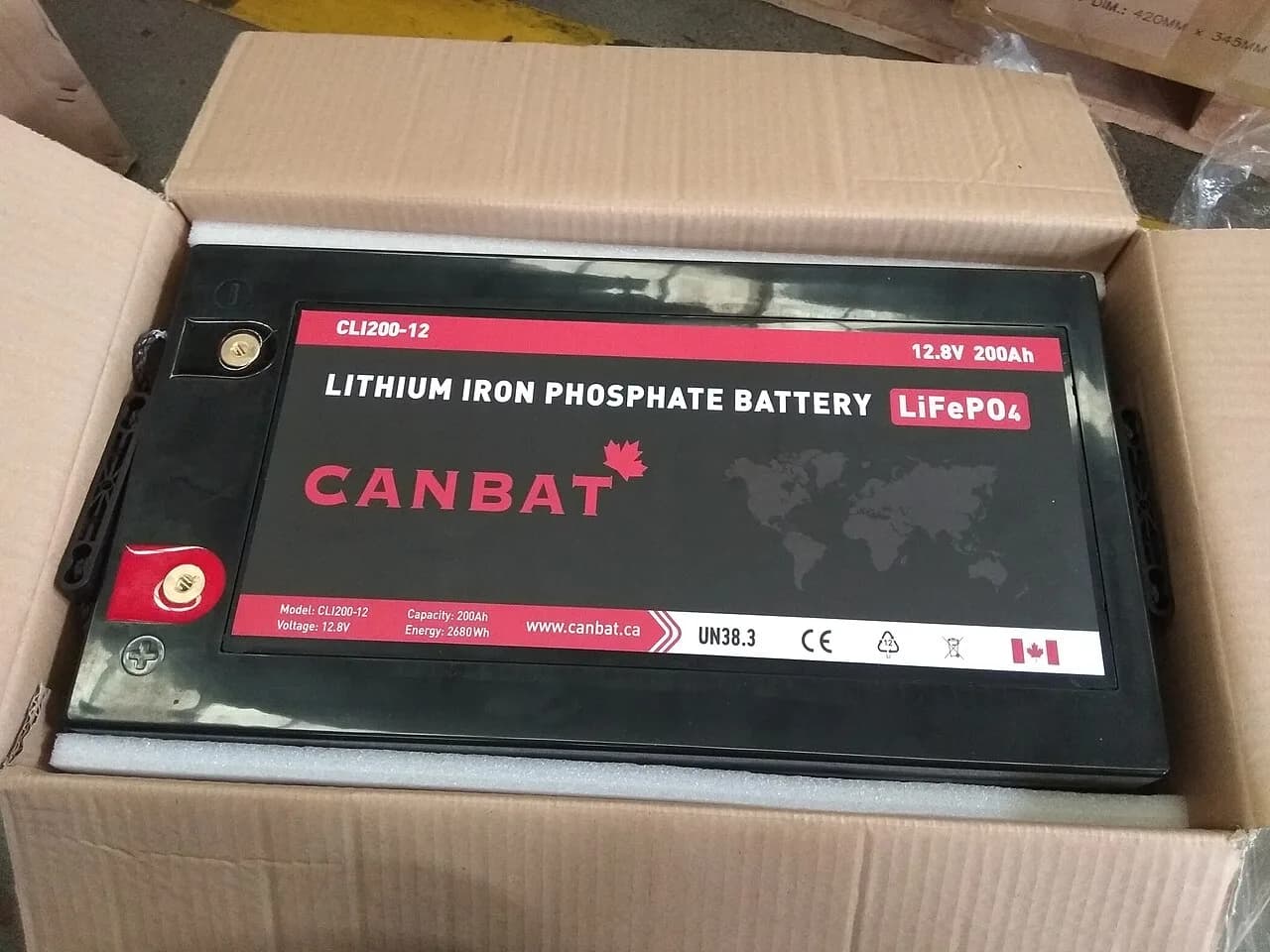
Budget a van electrical system by complete installed function, including protection, cable, mounting, labour and commissioning as well as major equipment.
Budgeting a van or RV electrical system before you start buying parts avoids both overspending and being surprised mid-build. Here's a realistic US cost breakdown at three build sizes (parts only, 2026 pricing).
Get a parts list and budget for your build
Tell us your usage and we'll size every component and give you a realistic budget — free.
Basic build (~100Ah, no inverter)
| Component | Item | Approx. cost |
|---|---|---|
| Battery | LiTime 100Ah LiFePO4 | $220 |
| Solar | 1x Renogy 100W rigid panel | ~$100 |
| Charge controller | Victron SmartSolar 100/30 | $159 |
| DC-DC charger | Victron Orion-XS 30A | $287 |
| Monitor | Victron SmartShunt | $120 |
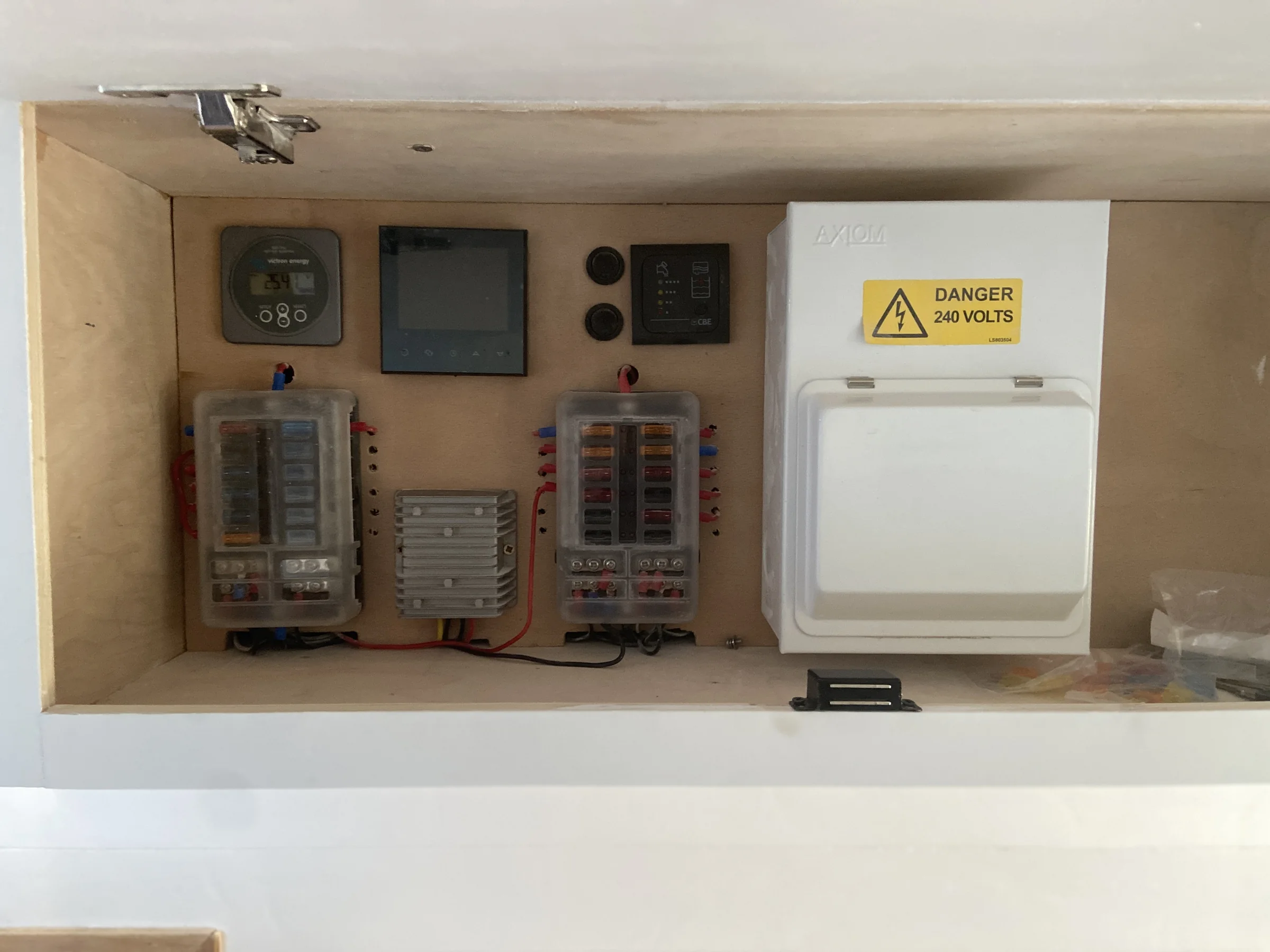
| Wiring, fuses, bus bars | Misc. | ~$150 |
| Total | ~$1,036 |
Good for: weekend use, 12V fridge, lighting, USB charging, no AC appliances.
US equipment options
Compare the battery cost after sizing
Get the current price for the exact model and allow for charging, mounting, protection and installation. Battery price alone is not the complete electrical-system budget.
House battery
Epoch 12V 105Ah Essential Series LiFePO4 Battery (1.34kWh)
A compact-capacity option to compare for a modest daily energy budget.
Check before choosing: Physical fit, usable energy, discharge current and the exact cold-charge/heating specification.
House battery
Epoch 12V 314Ah Eco Series LiFePO4 Battery (4.02kWh)
A larger single-battery option when the calculated energy reserve calls for more capacity.
Check before choosing: Mounting, current limits and charging requirements; do not assume the Eco model shares every Essential-series feature.
These links open our US shop. Check the exact configuration, current price and availability there; affiliate products are purchased from the named supplier. We may earn a commission from qualifying purchases.
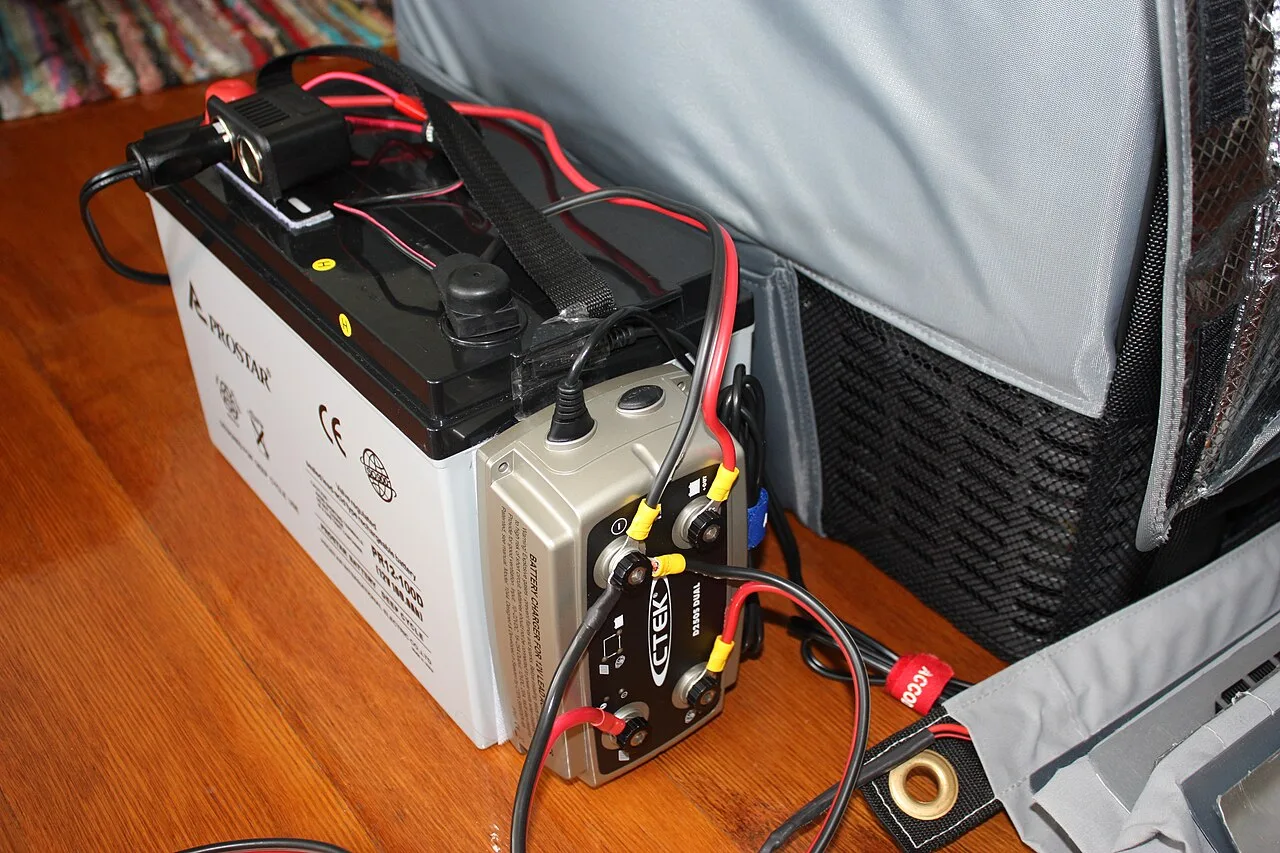
Mid-size build (~200Ah, small inverter)
| Component | Item | Approx. cost |
|---|---|---|
| Battery | LiTime 200Ah LiFePO4 | $399 |
| Solar | 2x Renogy 200W rigid panels | ~$320 |
| Charge controller | Victron SmartSolar 100/50 | $228 |
| DC-DC charger | Renogy 50A DCC50S | $200 |
| Inverter | Renogy 1000W pure sine | $150 |
| Monitor | Victron SmartShunt | $120 |
| Wiring, fuses, bus bars | Misc. (heavier gauge for inverter) | ~$250 |
| Total | ~$1,667 |
Good for: full-time-capable, microwave or blender occasionally, larger fridge.
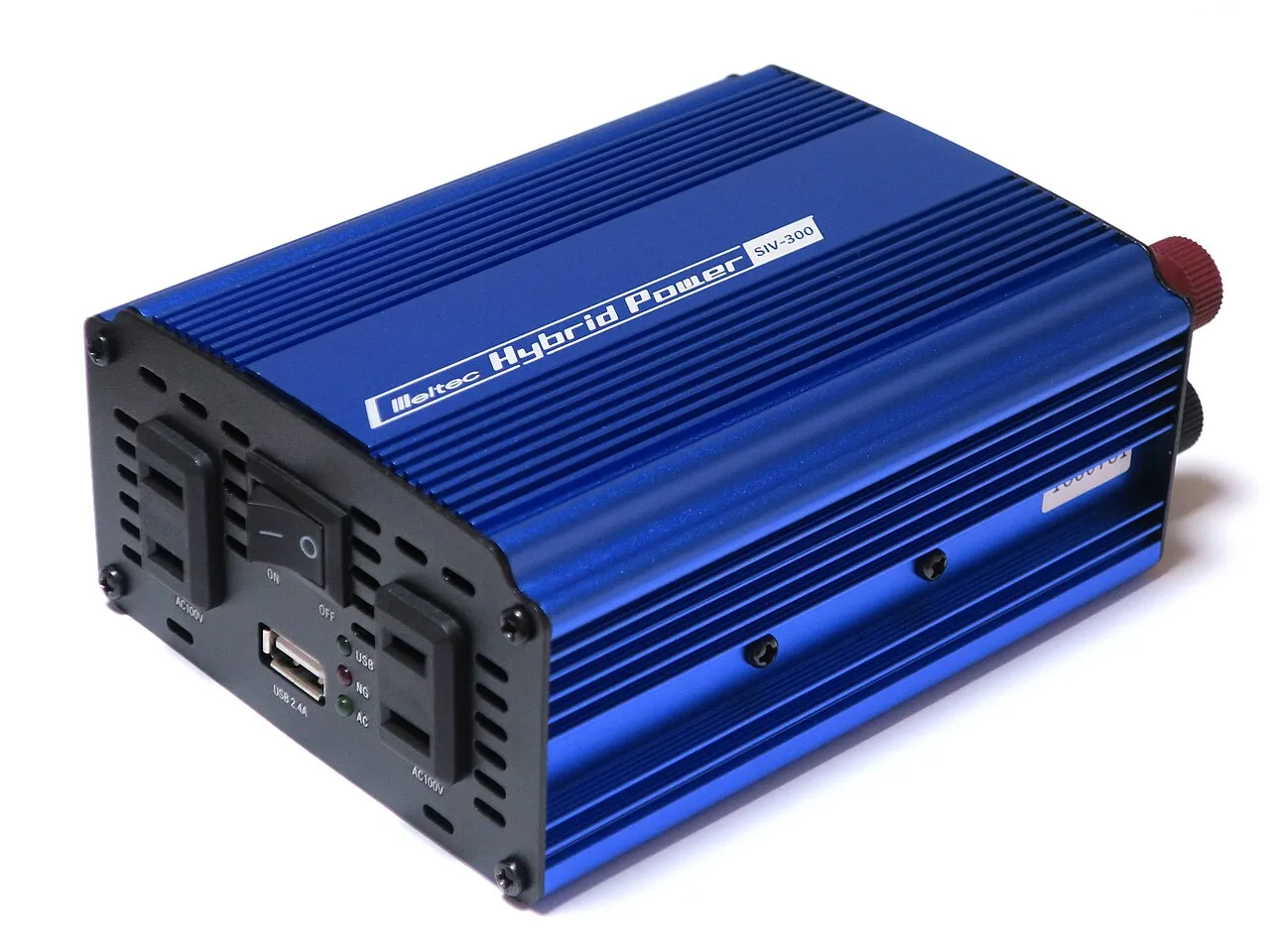
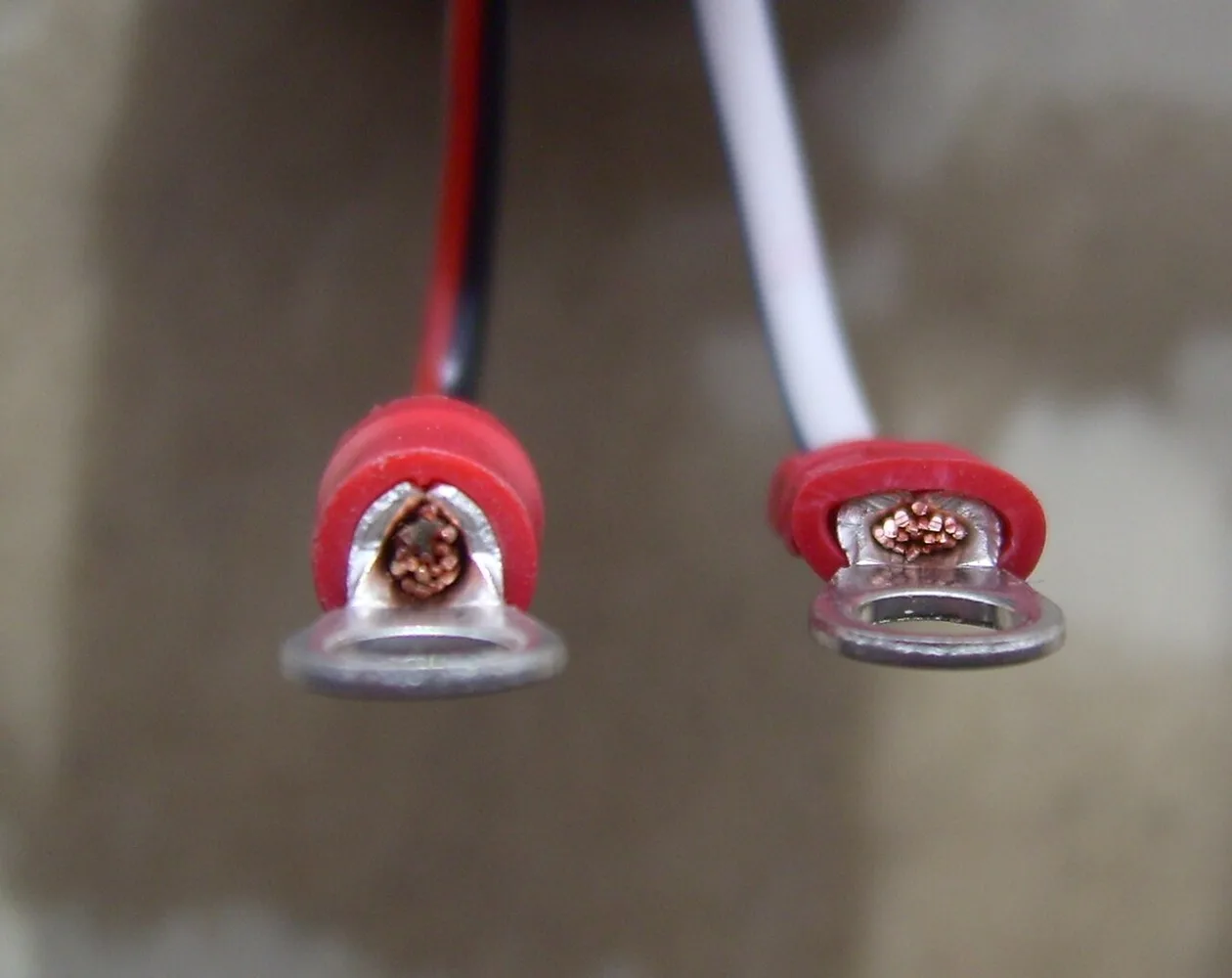
Full build (~300Ah, inverter/charger, shore power)
| Component | Item | Approx. cost |
|---|---|---|
| Battery | LiTime 200Ah + Renogy AGM 100Ah, or 2x LiTime 200Ah | ~$800-1,000 |
| Solar | 2x Renogy 200W rigid panels | ~$320 |
| Charge controller | Victron SmartSolar 100/50 | $228 |
| DC-DC charger | Renogy 50A DCC50S | $200 |
| Inverter/charger | Victron MultiPlus 12/2000 | $900 |
| Monitor | Victron SmartShunt | $120 |
| Shore power inlet + wiring | TT-30 inlet, breaker panel | ~$150 |
| Wiring, fuses, bus bars (2/0 AWG for inverter) | Misc. | ~$300 |
| Total | ~$3,000-3,200 |
Good for: full-time living, induction cooking, campground shore power, larger appliance use.
Don't forget labor and consumables
These figures are parts only. Add crimpers/tools if you don't already own them (~$100-300, one-time), and budget extra for connectors, heat shrink, mounting hardware, and the inevitable "one more thing" — typically another 10-15% on top of the core parts list.
Where to spend, where to save
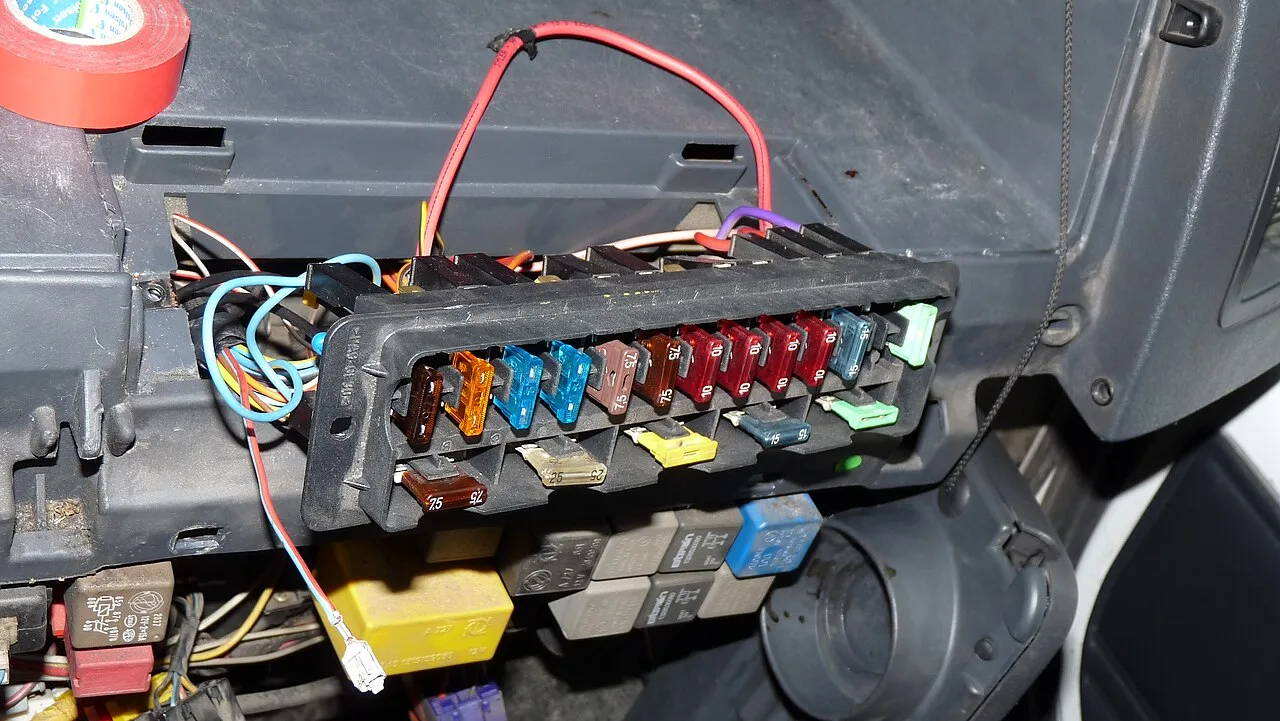
- Don't skimp on: the main battery fuse (Class T for LiFePO4), wire gauge, and the battery monitor — these are safety- and usability-critical.
- OK to start smaller: solar array (can be added to later) and inverter size (right-size to actual loads, not "just in case").
Worked planning check
An illustrative parts allowance of $3,000 plus $450 installation materials and $900 labour totals $4,350. A 15% contingency on that subtotal adds $652.50. These are arithmetic examples, not market quotes; replace each line with a dated supplier or installer quote.
The figures or dimensions in this example are explicit planning assumptions, not a product test or an installation specification. Replace them with your equipment data and actual measurements.
Planning questions
What belongs in an electrical installation budget?
Include major equipment, cable, connectors, protection, mounting, labour, commissioning and a contingency. Keep each assumption visible and replace allowances with dated quotes.
What should I decide before buying equipment?
List daily energy, simultaneous loads, days without charging, available charging time and installation space. Choose compatible components around that requirement.
Can the free planner replace installation testing?
No. It helps organise loads and design assumptions. The finished system still needs equipment-specific checks and appropriate inspection and commissioning.
Related guides
- Electrical system guide
- What size house battery do you need
- How many watts of solar do you need
- Best inverters for van & RV
Continue planning
Narrow the US shortlist
Compare the exact equipment.
Frequently Asked Questions
Keep the build moving
Make the next build decision easier.
Get practical diagrams, calculator updates and honest product comparisons in your inbox.
Jack Kennedy is a self-builder who has built two vans. He created Roam Wired to simplify conversion planning and share free tools, supported by affiliate links.
About Jack