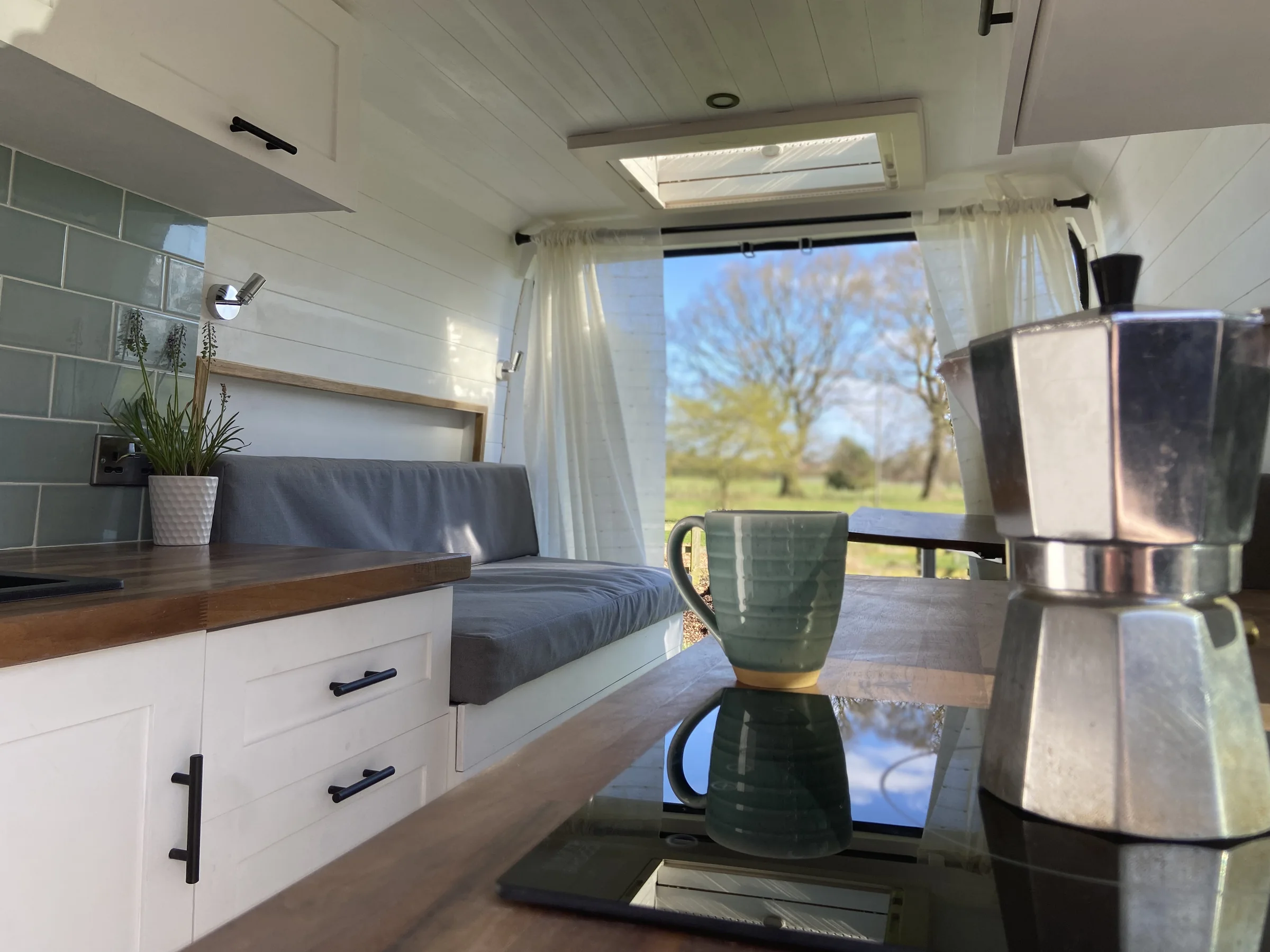
Choose a coffee method by electrical input, brew time and cleanup needs; high power used briefly can consume less daily energy than expected.
Making good coffee in a van comes down to how your electrical system is set up. Here are the real options.
120V coffee makers (need an inverter)
Drip coffee makers:
- Draw: 600–1,200W depending on model
- Inverter needed: 1,500W minimum; 2,000W recommended
- Energy per brew cycle: ~100–200Wh
- Best van-sized pick: Hamilton Beach 5-cup (~700W, ~$30) — lower wattage, compact
Pod machines (Keurig, Nespresso):
- Draw: 1,200–1,500W for 20–30 seconds, then drops to 200–400W to maintain temperature
- Inverter needed: 2,000W
- Energy per pod: ~30–60Wh (short brew cycle) — actually fairly efficient despite high peak draw
- Best for van life: Nespresso Vertuo Next (compact, 25 seconds at high wattage, auto-off)
Percolator/pour-over kettle combo:
- Electric kettle: 1,000–1,500W for 3–4 minutes
- Inverter needed: 1,500–2,000W
- Energy per kettle: ~120Wh
- Works with any manual brewing method (pour-over, French press, AeroPress)
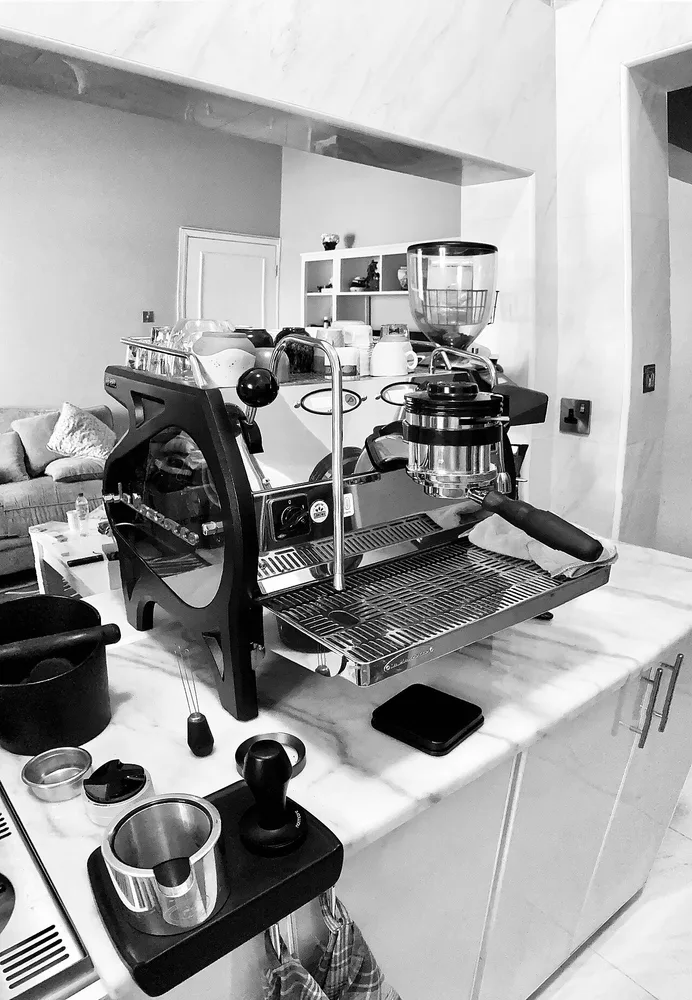
12V coffee options
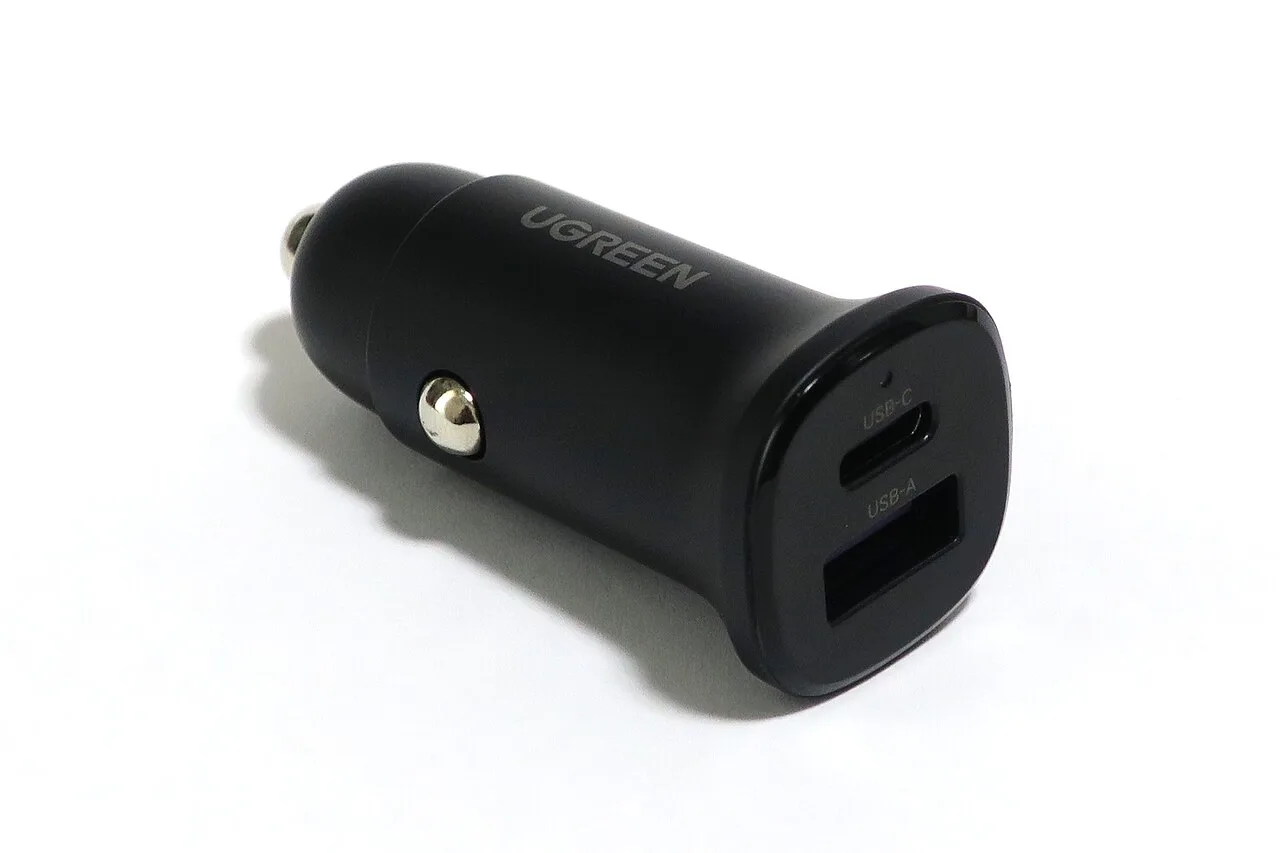
12V coffee makers: The RoadPro RPPKB and similar products heat water via a 12V DC element. These draw 15–20A from the 12V system directly (no inverter needed) and make a single cup slowly. Not great coffee and slow to heat, but work without an inverter.
12V electric kettles: Similar concept — 12V heating element, 15–20A draw. Works; makes basic hot water for instant coffee or pour-over. Fine for driving/charging scenarios.
No-electricity options (most popular for van life)
Moka pot + propane/butane stove: The classic van life coffee setup. A 3-cup or 6-cup Bialetti on a butane burner makes strong, excellent espresso-style coffee in 4 minutes. Zero electricity required. Uses about 5 minutes of a butane cartridge per brew. Highly recommended.
French press: Requires only boiling water — heat on the stove. 4-minute steep. The simplest setup; great coffee; no electricity at all if you boil water on a gas stove.
AeroPress: Extremely versatile, makes excellent espresso-style or regular coffee, easy to clean, requires only hot water. The favorite of traveling coffee enthusiasts.
Instant coffee (Voilà, Mount Hagen): If you just need caffeine and don't care about quality, good instant coffee and hot water from any source gets it done. No equipment beyond a kettle.
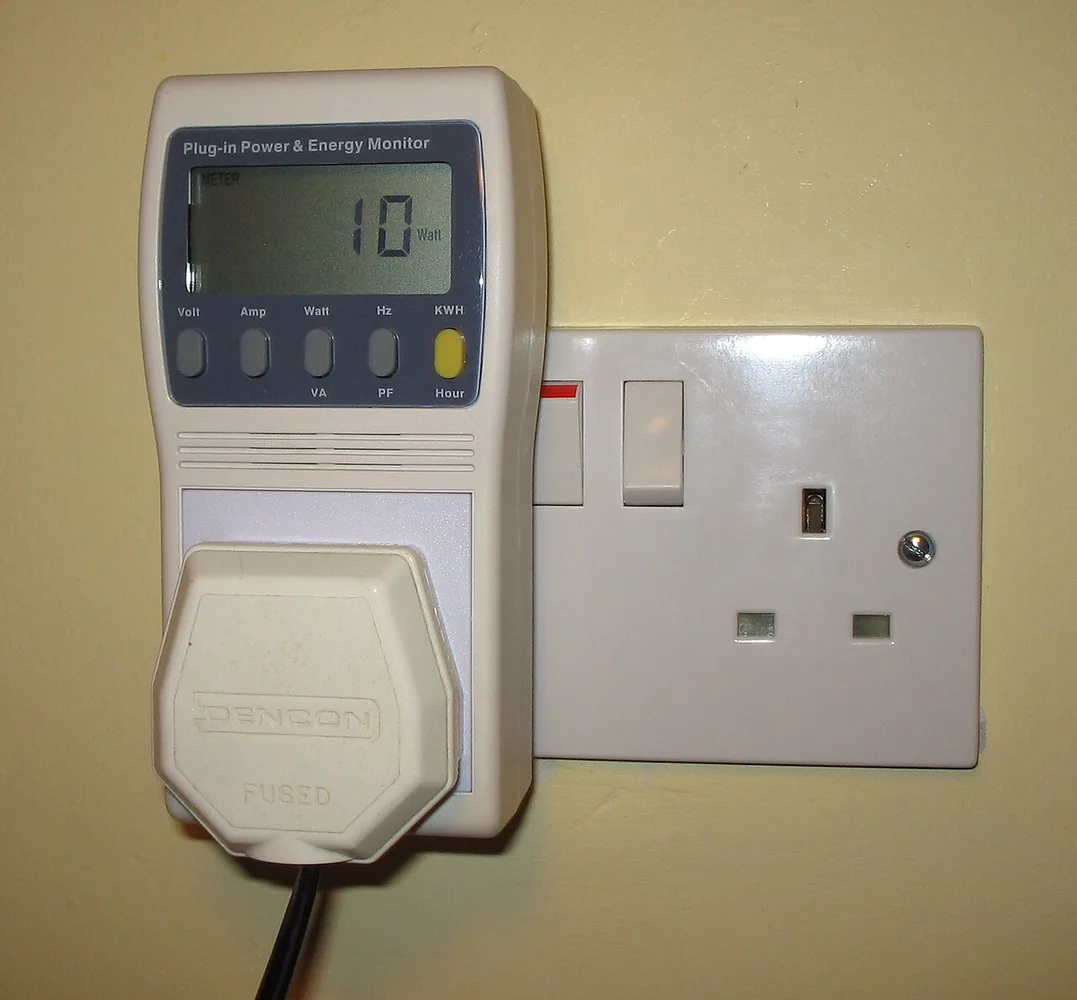
Recommended setup by inverter size
| Your inverter | Coffee recommendation |
|---|---|
| No inverter | Moka pot + propane stove, or French press |
| 1,000W | Moka pot + propane stove (inverter too small for most coffee makers) |
| 1,500W | Hamilton Beach 5-cup drip maker, or electric kettle + pour-over |
| 2,000W+ | Any coffee maker, including Keurig/Nespresso |
Worked planning check
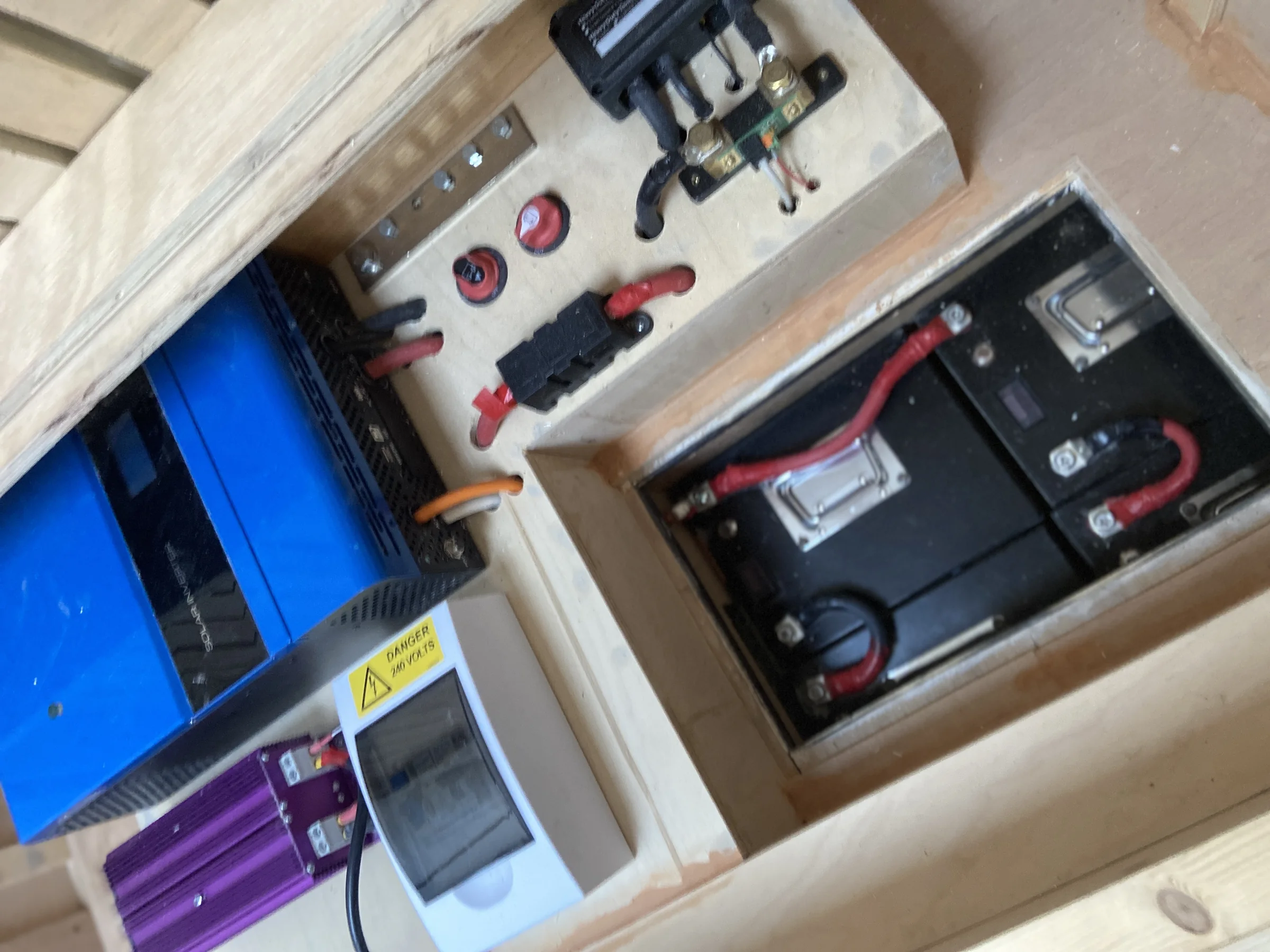
A 1,000W coffee maker running for five minutes uses about 83Wh AC. At an illustrative 90% inverter efficiency, that is 93Wh from the battery. It still draws about 93A at 12V while operating, so current capability matters even for one morning brew.
The figures or dimensions in this example are explicit planning assumptions, not a product test or an installation specification. Replace them with your equipment data and actual measurements.
Planning questions
How do I calculate inverter battery current?
Divide AC watts by assumed inverter efficiency and loaded battery voltage. Add other DC loads, and check starting surge separately. Use the result as a design input rather than a fuse recommendation.
Does an inverter use power with nothing plugged in?
Usually it has an idle consumption; check the exact model and operating mode. Multiply idle watts by hours switched on to include it in the daily energy budget.
Can any lithium battery run a large inverter?
No. Check BMS continuous and short-duration current, battery voltage, cable, protection and terminals. Energy capacity alone does not establish output capability.
Related
- Inverters & 120V power guide
- What can a 1,000W inverter run?
- What can a 2,000W inverter run?
- Induction cooktop in a van
Use the free electrical planner to organise your daily loads and charging assumptions.
Continue planning
Frequently Asked Questions
Keep the build moving
Make the next build decision easier.
Get practical diagrams, calculator updates and honest product comparisons in your inbox.
Jack Kennedy is a self-builder who has built two vans. He created Roam Wired to simplify conversion planning and share free tools, supported by affiliate links.
About Jack