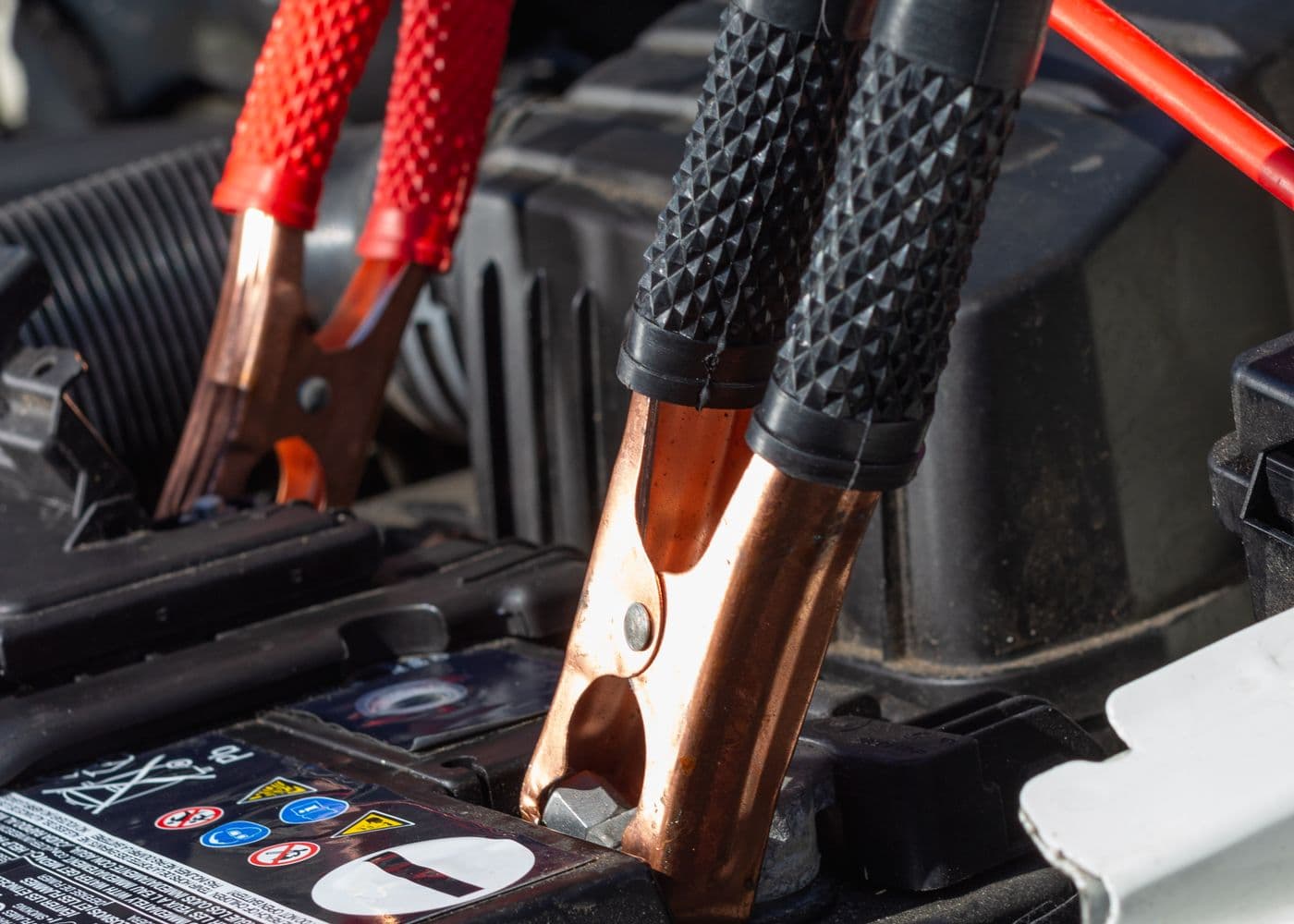
The Victron Orion XS 12/12-50A is one of the strongest all-round DC-DC charger options for a 12V campervan or RV system. It combines up to 50A of configurable charging with Bluetooth setup, VE.Direct connectivity and a much smaller enclosure than the older high-current Orion-Tr Smart arrangement.
It is also widely misdescribed online. The 12/12-50A model is non-isolated, not isolated. That distinction matters when designing negative returns, chassis bonding and battery monitoring.
Verdict
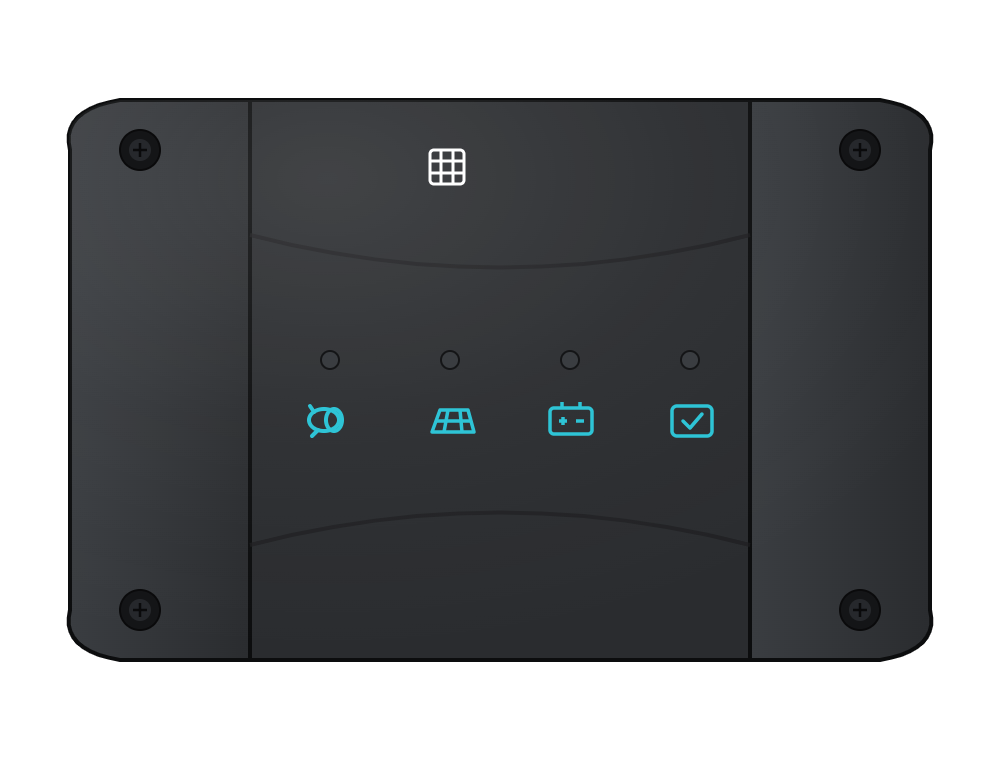
Verified specifications
The following figures are from Victron's current Orion XS technical data:
| Specification | Orion XS 12/12-50A |
|---|---|
| Input voltage range | 9–17V |
| Adjustable output voltage | 10–17V |
| Adjustable output current | 1–50A |
| Maximum continuous output at 14V | 700W |
| Maximum stated efficiency | 98.5% |
| Connectivity | Bluetooth and VE.Direct |
| Electronics protection rating | IP65 |
| Weight | 0.33kg / 0.73lb |
| Dimensions | 137.3 × 123.1 × 40mm |
| Isolation | Non-isolated |
Check the current manual and datasheet for the exact product revision before purchase or installation.
What it does well
Configurable rather than simply “50A”
The maximum rating is not the correct setting for every van. Victron allows the output current to be adjusted from 1A to 50A. That lets a designer respect:
- the alternator's available continuous output;
- the starter-side cable and fuse design;
- the house battery's BMS and charging limit;
- the desired thermal margin;
- the amount of charging actually needed between stops.
This adjustability is a major advantage over treating charger size as a fixed one-number decision.
High efficiency and compact size
Victron states maximum efficiency of 98.5%. Less conversion loss generally means less heat to manage, although the charger still needs the mounting orientation and clearances in the installation manual.
At 137.3 × 123.1 × 40mm, it is easier to place than many older high-output solutions. Compact does not mean it should be enclosed without airflow.
Useful configuration and monitoring
VictronConnect provides configuration, live data and history over Bluetooth. VE.Direct also allows connection to compatible Victron monitoring equipment.
The charger can receive shared voltage, temperature and current-sensor data through VE.Smart Networking. Victron's documentation specifically notes that synchronized charging is not supported, so it should not be described as coordinating its entire charge cycle with every other charger.
Smart-alternator controls
The unit includes engine-shutdown detection and configurable input-voltage behavior. This is useful on modern vehicles, but setup is vehicle-specific. A default detection profile is not a substitute for verifying alternator behavior, voltage drop and the required remote on/off method.
Limitations to understand
It is non-isolated
Input negative and output negative are not galvanically isolated. This is normal for many van installations, but it affects the wiring and bonding plan. If isolation is required by the vehicle, application or equipment design, this is not the correct model.
Read the van grounding guide before copying a generic diagram.
50A may be too much—or not enough
At a full 50A setting, one hour of sustained charging could theoretically deliver about 50Ah before charge taper and system losses. Whether that is appropriate depends on the alternator and battery, not the charger's headline number.
Victron also offers a newer 12/12-70A Orion XS for higher-output designs. Higher current requires heavier cabling, more alternator capacity and a battery bank able to accept it; it is not automatically a better choice.
Terminations still determine reliability
High efficiency cannot compensate for undersized cable, loose strands, poor crimps or incorrect fuse placement. Follow Victron's conductor, stripping, torque and protection requirements. Recheck accessible terminations after commissioning as the applicable instructions require.
Orion XS vs Orion-Tr Smart
“Orion-Tr Smart” covers multiple voltage, current and isolation variants, so comparisons must name the exact model.
| Feature | Orion XS 12/12-50A | Typical 12/12-30 Orion-Tr Smart variant |
|---|---|---|
| Maximum nominal charge current | 50A adjustable | 30A class |
| Isolation | Non-isolated | Isolated and non-isolated variants exist |
| Bluetooth | Yes | Yes on Smart models |
| VE.Direct | Yes | Check exact model |
| Form factor | Newer compact design | Older, larger design |
The XS is the stronger default for a new non-isolated 12V build needing more than 30A. An explicitly isolated Orion-Tr model can still be appropriate where separation between input and output negatives is a design requirement.
Who should choose it?
Choose the Orion XS 12/12-50A when:
- both starter and house systems are nominal 12V;
- a non-isolated topology is suitable;
- you want adjustable current up to 50A;
- Bluetooth configuration and Victron monitoring are valuable;
- the alternator, battery, cable and protection design support the chosen setting.
Consider another model when you need galvanic isolation, a different input/output voltage combination, more than 50A, or a combined solar-and-alternator charger.
Bottom line
The Orion XS earns its reputation through configurability, efficiency, compact packaging and monitoring—not because every van needs 50A. Design the circuit first, then decide whether its capabilities solve your actual charging requirement.
Calculate the current your van actually needs
Use Roam Wired's free electrical design tool to size the battery and charging system before choosing a 30A, 50A or 70A charger.
Disclosure: This is an editorial, specification-based assessment using manufacturer documentation, not a claim of long-term laboratory testing. Some product links may be affiliate links, which can earn Roam Wired a commission at no extra cost to you.
Frequently Asked Questions
Keep the build moving
Make the next build decision easier.
Get practical diagrams, calculator updates and honest product comparisons in your inbox.
Roam Wired
Roam Wired turns campervan research into practical plans. We publish transparent guidance, a free electrical design tool and marketplace resources for UK and US van builders.
About our approach