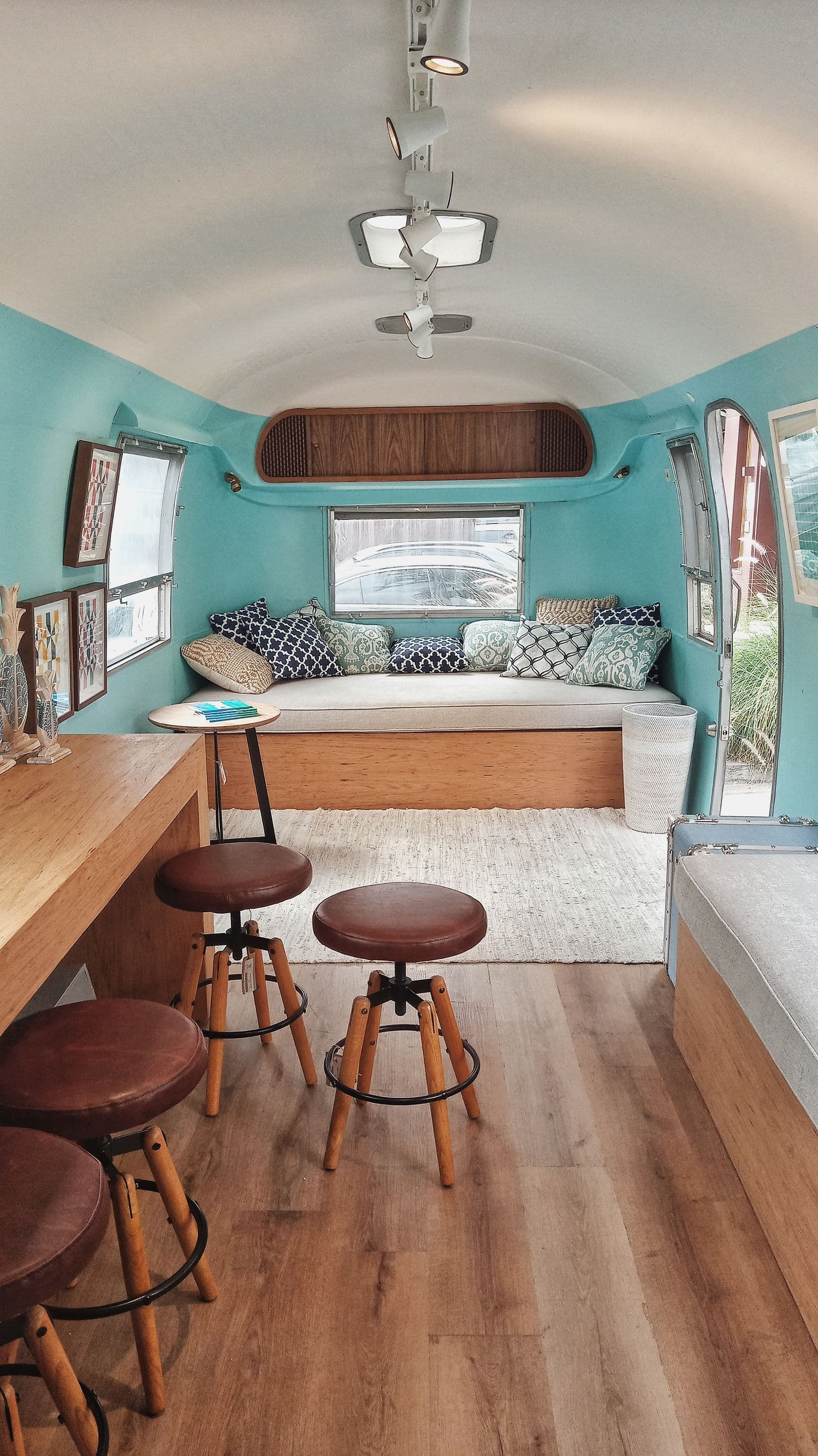
Where you mount your leisure battery in a campervan affects safety, performance, cable efficiency, and your daily living space. Get it right and you barely think about it. Get it wrong and you face overheating, wasted cargo space, voltage drop from long cable runs, or worse — a safety hazard. This guide covers the most popular battery mounting locations in UK van conversions, the pros and cons of each, and the safety requirements you need to meet. For a complete overview of battery types and sizing, see our campervan battery guide.
Before choosing a location, you need to know what battery you are installing and how large it is. A single Fogstar Drift 230Ah (520 x 240 x 220mm, 27kg) requires significantly less space than two batteries in parallel. Use our calculator to determine the right battery size first, then plan the placement around that specific battery.
Size your battery before planning placement
Our free calculator recommends the right battery capacity for your usage. Know the size and weight before choosing where to mount it.
Safety Requirements for Battery Mounting
Regardless of where you mount your battery, these requirements apply universally:
Secure Mounting
The battery must be physically secured so it cannot move during driving, braking, or in a collision. A 27kg battery that comes loose in a crash is a serious hazard. Methods include:
- Battery straps: Heavy-duty ratchet straps or metal straps bolted to the mounting surface
- Battery box: A purpose-built box with a lid that constrains all movement
- L-brackets and tie-downs: Metal brackets bolted to the floor or wall with the battery clamped in place
The mounting must withstand forces in all directions — forward braking, lateral cornering, vertical bumps, and rear-end impact. As a guideline, the mounting should resist at least 3G of force in any direction (meaning the mounting must hold 3 times the battery weight).
Ventilation
LiFePO4 batteries are far safer than lead-acid batteries (they do not produce hydrogen gas during normal operation). However, in the rare event of a thermal runaway or BMS failure, LiFePO4 cells can vent gases. For this reason:
- The battery compartment should not be completely sealed.
- Provide at least two ventilation openings (one high, one low) to allow airflow.
- For batteries mounted inside the living space, a small vent to the outside or under the van is good practice.
- This is a precautionary measure — the risk with LiFePO4 is very low, but good practice costs nothing.
LiFePO4 vs AGM ventilation needs
AGM batteries produce hydrogen gas during charging (especially if overcharged) and must be ventilated to the outside. LiFePO4 batteries do not produce gas during normal operation, so ventilation requirements are much less stringent. However, providing some airflow is still recommended as a precaution.
Temperature Control
As discussed in our cold weather charging guide, LiFePO4 batteries cannot be charged below 0°C. Battery placement directly affects temperature:
- Batteries inside the heated living space stay warm in winter
- Batteries under the floor or in external boxes are exposed to ambient temperature
- Insulation around the battery slows heat loss but does not generate warmth
If you camp in winter, place the battery where it stays above freezing, or plan for a heating pad.
Accessibility
You should be able to visually inspect the battery, check terminal connections, and read any Bluetooth data without major disassembly. Fully buried batteries that require removing furniture to access are a maintenance problem.
Popular Battery Locations
1. Under a Seat or Bench
The most common location in UK van conversions.
This is the default choice for good reason. Most van layouts include a bench seat or sofa that has unused space beneath it.
Advantages:
- Inside the living space (stays warm in winter, easy access)
- Short cable runs to the electrical panel (which is often in the same area)
- Hidden from view but accessible by lifting the seat cushion
- Does not consume any additional living space
- Central location minimises cable lengths to all parts of the van
Disadvantages:
- Takes up under-seat storage space
- The battery weight is high up (poor for centre of gravity in a tall van)
- Seat base must be strong enough to support the battery weight plus passengers
- In very compact builds, the seat may not have enough depth
Best for: Most van conversions. This works particularly well under a rear sofa or rock-and-roll bed base where there is typically 200-400mm of height available.
2. Under the Floor
Popular in professional conversions and larger vans.
Some builders create a false floor with the battery recessed below, or mount the battery in the factory under-floor space (some vans have a spare wheel well or chassis void that can be used).
Advantages:
- Zero impact on living space
- Low centre of gravity (best for vehicle handling)
- Hidden completely from view
- Works well for large battery banks (multiple batteries)
Disadvantages:
- Exposed to ambient temperature (cold in winter, potentially hot in summer on tarmac)
- Requires weatherproofing if mounted externally
- Difficult to access for inspection and maintenance
- Long cable runs may be needed (increasing voltage drop and cost)
- Cutting into the van floor may affect structural integrity if done incorrectly
Best for: Larger vans (Sprinter LWB, Ducato LWB) with a false floor build, or professional conversions where the floor is being rebuilt anyway.
Under-floor mounting needs weatherproofing
If the battery is mounted in a location exposed to road spray, rain, or standing water, it must be in a waterproof enclosure. Even "sealed" batteries can be damaged by prolonged water exposure at the terminals, and road salt accelerates corrosion. Use an IP65-rated enclosure or build a sealed box with drainage.
3. Rear Garage Box
Common in vans with a rear garage or boot area.
Many van conversions include a rear garage area (below a fixed bed or behind a partition). This is a natural location for the battery, especially if the electrical panel is also in this area.
Advantages:
- Good access for installation and maintenance
- Does not impact the main living area
- Often close to shore power inlet (short 230V cable runs)
- Space for additional components (inverter, charger, fuse box) nearby
Disadvantages:
- Uses cargo/garage space
- Can be cold in winter if the garage is uninsulated
- May be far from the front of the van (long cable runs to the cab/dashboard area)
- In some layouts, the garage is exposed to dust and temperature extremes
Best for: Vans with a fixed rear bed and dedicated garage area. This is the natural location if your electrical panel is also in the rear.
4. Bulkhead Area (Behind the Cab)
Works well in panel vans where the bulkhead has been removed or modified.
Mounting the battery near the bulkhead (the partition between the cab and living area) puts it close to the vehicle battery and alternator, which minimises DC-DC charger cable length.
Advantages:
- Short cable run to the vehicle battery (efficient DC-DC charging)
- Inside the living space (stays warm)
- Out of the way in most layouts
- Easy access if the bulkhead panel is removable
Disadvantages:
- May interfere with the sliding door mechanism on some vans
- The bulkhead area is often awkwardly shaped
- Heat from the engine bay can warm the battery (good in winter, potentially bad in summer)
- Limited space in smaller vans
Best for: Builds where DC-DC charging is the primary charge source and you want to minimise cable costs. Also works well in vans where the electrical panel is near the bulkhead.
5. Passenger Seat Base (Swivel Seat)
A niche option for very compact builds.
Some builders mount a small battery (100Ah) under the passenger seat, particularly if a swivel base has been fitted and there is space beneath.
Advantages:
- Uses otherwise wasted space
- Very short cable run to the vehicle battery
- Accessible by removing the seat base cover
Disadvantages:
- Limited by the space available under the seat (varies by van model)
- Only suitable for smaller batteries (100-150Ah)
- Seat swivel mechanisms may reduce available space
- Must be very securely mounted given the location
Best for: Small vans or weekend builds where a 100Ah battery is sufficient.
Cable Length and Voltage Drop
Battery placement directly affects cable length, and longer cables mean more voltage drop and wasted energy. Here is why it matters:
A 10-metre run of 16mm² cable carrying 20A drops approximately 0.26V. That does not sound like much, but in a 12V system it represents over 2% energy loss. For high-current connections (inverter at 150A), voltage drop becomes significant with long runs.
Guidelines:
- Keep the battery-to-inverter cable as short as possible (ideally under 1.5 metres)
- If the battery is far from the inverter, increase the cable gauge to compensate
- Place the battery near the largest loads (fridge, inverter) to minimise cable costs
A calculator like ours helps you plan cable sizes based on your layout. Use our calculator for system planning.
Mounting Tips by Van Type
Ford Transit / Transit Custom
The under-seat location works well, particularly under the rear bench seat. The Transit Custom has approximately 250mm of height under the standard rear bench — sufficient for most batteries mounted on their side or flat. The bulkhead area also works if the bulkhead has been partially or fully removed.
Fiat Ducato / Peugeot Boxer / Citroen Relay
These vans typically have generous under-floor or rear garage space. Many professional conversions use the rear garage area. The Ducato's wide chassis also allows under-floor mounting with less modification than some other vans.
Mercedes Sprinter
The Sprinter offers good under-seat space and a flat, wide floor for false-floor builds. The factory under-seat area (particularly the passenger-side double seat) can accommodate a 200Ah battery with minimal modification.
VW Transporter (T5/T6)
Space is at a premium. The most common location is under a rear seat or bench. The T6 California has limited space, so some builders use the area behind the driver's seat or a small area near the tailgate. Battery size is usually limited to 100-200Ah in a Transporter.
Vauxhall Vivaro / Renault Trafic
Similar to the Transporter in size, with battery placement usually under a rear seat. The Vivaro has a slightly lower floor than the Transporter, which can make under-seat mounting easier.
Measure before you buy
Before purchasing a battery, measure the space you have available in your preferred location. Account for terminal clearance (you need 30-50mm above the terminals for cable connections), ventilation space, and any mounting brackets. It is frustrating to buy a battery that does not fit in the space you planned.
Common Mistakes
Mounting on Timber Without Reinforcement
A 27kg battery on a thin plywood shelf will sag over time and may fail under braking. Use at least 18mm plywood, and ideally mount the battery on a metal bracket bolted through the van floor or a structural member.
No Terminal Protection
Exposed battery terminals can short-circuit if a metal object falls across them. Always use terminal covers or boots, especially in locations where tools or other items might be stored nearby.
Ignoring Heat Buildup
In summer, a battery in an enclosed, unventilated box near the engine bay can exceed 45°C. High temperatures accelerate battery degradation. Ensure airflow or at minimum, temperature monitoring via the battery's Bluetooth BMS.
Forgetting About Maintenance Access
You will need to inspect your battery at least occasionally — check terminal tightness, look for corrosion, and verify physical condition. A battery that requires dismantling furniture to access will be neglected. Design your mounting so the battery is visible and reachable with reasonable effort.
FAQ
What is the best position for a campervan battery?
Under a rear seat or bench is the best position for most builds. It is inside the living space (stays warm), accessible, central (short cable runs), and does not waste cargo space. For larger systems, a rear garage location works well.
Can I mount a LiFePO4 battery on its side?
Most LiFePO4 batteries can be mounted on their side, but check the manufacturer's guidance. Fogstar states the Drift can be mounted in any orientation. Victron recommends upright mounting. When mounting on the side, ensure the terminals are accessible and the BMS ventilation (if any) is not blocked.
Does battery placement affect charging?
Indirectly, yes. Placement determines cable length to charging sources. A battery near the front of the van has shorter cables to the DC-DC charger (less voltage drop, cheaper cables). A battery near the rear is closer to the shore power inlet and solar charge controller. Plan cable routes for your specific layout.
How far can the battery be from the inverter?
As close as possible — ideally within 1.5 metres. The inverter draws the highest current of any component (a 2000W inverter draws ~170A at 12V). Long cables at these currents require very heavy gauge wire and still suffer voltage drop. If the battery and inverter cannot be close, increase cable gauge significantly.
Related
Keep the build moving
Make the next build decision easier.
Get practical diagrams, calculator updates and honest product comparisons in your inbox.
Roam Wired
Roam Wired turns campervan research into practical plans. We publish transparent guidance, a free electrical design tool and marketplace resources for UK and US van builders.
About our approach